
Belize Barrier Reef — geography, ecology, history and conservation
A stronghold of Caribbean coral biodiversity, the Belize Barrier Reef is a 300 km section of the Mesoamerican Barrier Reef. This article explains its structure, wildlife, history and conservation challenges.
Overview
The Belize Barrier Reef is a broad chain of coral formations that runs parallel to the coast of Belize. It forms the longest portion of the Mesoamerican Barrier Reef System and stretches roughly 300 kilometers along Belize’s shoreline. The reef is a complex of fringing reefs, atolls and patch reefs that together support high marine biodiversity and important fisheries. As part of a larger regional system that continues past Cancún and the Yucatán Peninsula toward Honduras, it ranks among the world’s most extensive coral ecosystems, behind only a few larger systems such as the Great Barrier Reef off Australia.
Image gallery
10 Images




Physical characteristics
The reef complex lies at varying distances from shore — in the north some reef structures come within a few hundred meters of land, while other features in the south occur many kilometres offshore. It includes prominent features such as barrier reef crests, lagoons, patch reefs and several small islands and cayes. These different habitats create a mosaic of shallow, sunlit reefs and deeper channels that influence water flow, nutrient exchange and the distribution of species.
Ecology and biodiversity
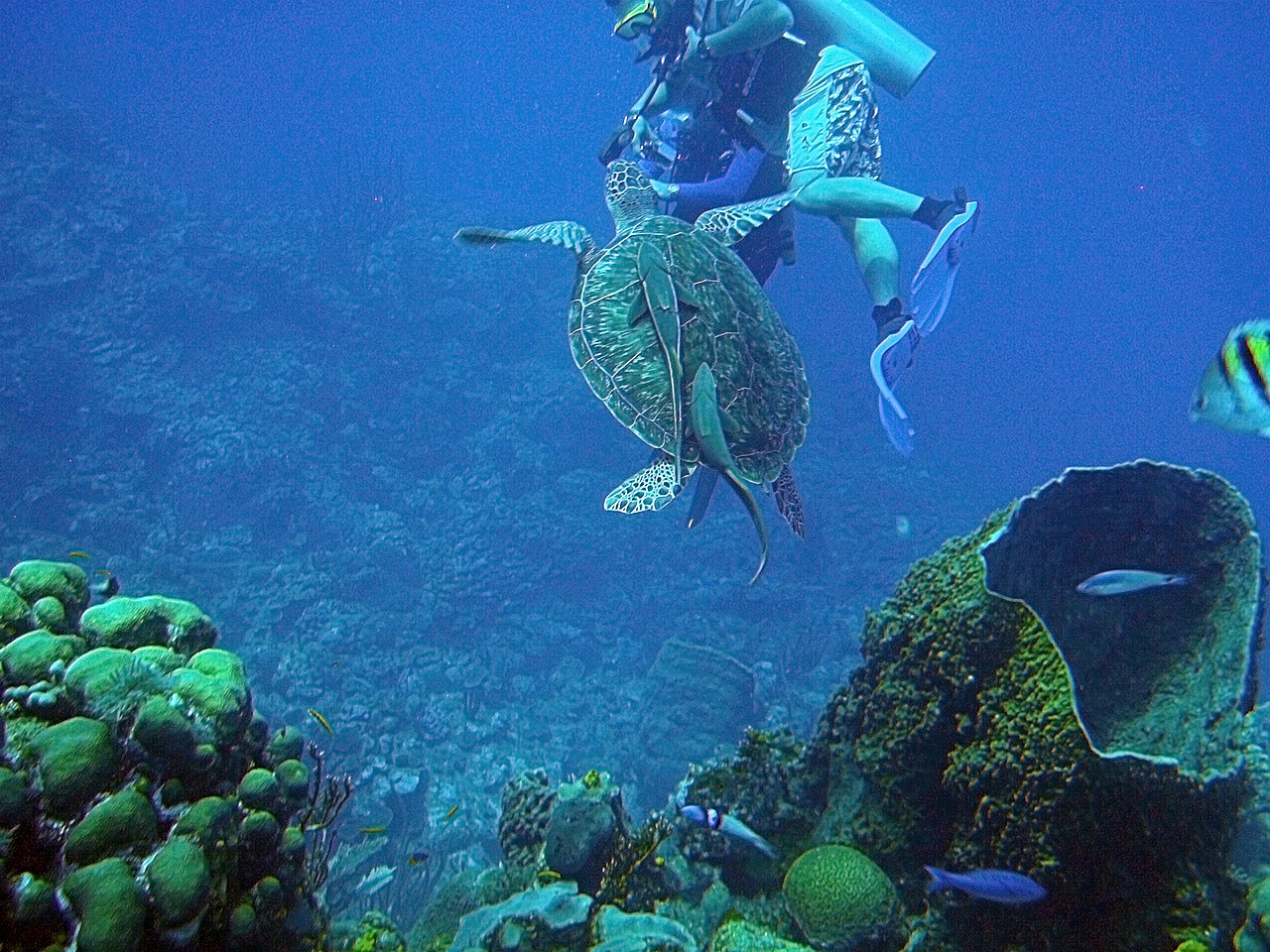
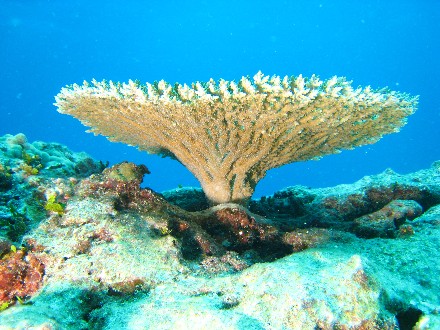
Coral communities on the Belize Barrier Reef support a wide diversity of fishes, invertebrates, sea grasses and mangroves. Tectus and branching corals, large reef fishes, sea turtles and commercially important species such as conch and lobster all depend on the reef’s habitat. The reef also functions as nursery grounds for many coastal species, stabilizes shoreline sediments, and protects low-lying areas from wave energy.
History and human significance
The reef has been known to naturalists and mariners for centuries. Early scientific observers noted its size and ecological richness; for example, Charles Darwin described it as an exceptional reef in the West Indies. Indigenous and coastal communities have long relied on reef resources for food, transport and cultural practices. In modern times the reef is a major draw for snorkelers and divers, and supports tourism and fisheries that are important to Belize’s economy.
Threats and conservation
Like coral systems worldwide, the Belize Barrier Reef faces multiple pressures: warming seas and coral bleaching, ocean acidification, overfishing, coastal development, pollution and invasive species. These stresses can reduce coral cover and alter the balance between corals and algae. In response, national and international conservation efforts have established marine protected areas, fisheries regulations and monitoring programs to reduce local impacts and build resilience. The reef has also received international recognition and protection efforts aimed at conserving its outstanding natural values.
Importance and continuing challenges
The Belize Barrier Reef is valued for its intrinsic biodiversity, role in coastal protection, and economic benefits through tourism and fisheries. Continued management requires balancing use and protection: successful conservation combines scientific monitoring, community involvement and regional cooperation across the wider Mesoamerican Reef System. For further general background about coral reefs, see coral reefs, and for regional context follow links about Cancún, the Yucatán Peninsula, or neighboring systems in Honduras. Comparative perspectives may be found by looking at larger systems such as the Great Barrier Reef in Australia.
- Key functions: biodiversity hotspot, coastal protection, fisheries habitat.
- Main pressures: climate change, local pollution, overuse.
- Conservation approaches: protected areas, sustainable fisheries, monitoring.
Questions and answers
Q: What is the Belize Barrier Reef?
A: The Belize Barrier Reef is a series of coral reefs that runs along the coast of Belize.
Q: How far offshore does the Belize Barrier Reef go in the north?
A: The Belize Barrier Reef goes about 300 meters (980 ft) offshore in the north.
Q: How long is the Belize Barrier Reef?
A: The Belize Barrier Reef is a 300 kilometers (190 mi) long section of the 900 kilometers (560 mi) long Mesoamerican Barrier Reef System.
Q: Where does the Mesoamerican Barrier Reef System run from and to?
A: The Mesoamerican Barrier Reef System runs continuous from Cancún on the northeast tip of the Yucatán Peninsula through the Riviera Maya down to Honduras.
Q: Is the Belize Barrier Reef one of the largest coral reef systems in the world?
A: Yes, the Belize Barrier Reef is one of the largest coral reef systems in the world after the Great Barrier Reef in Australia and the New Caledonia Barrier Reef.
Q: What did Charles Darwin say about the Belize Barrier Reef?
A: Charles Darwin described the Belize Barrier Reef as "the most remarkable reef in the West Indies" in 1842.
Q: How long is the section of the Mesoamerican Barrier Reef System that the Belize Barrier Reef is part of?
A: The section of the Mesoamerican Barrier Reef System that the Belize Barrier Reef is part of is 900 kilometers (560 mi) long.
Tags
Related articles
Author
AlegsaOnline.com Belize Barrier Reef — geography, ecology, history and conservation Leandro Alegsa
URL: https://en.alegsaonline.com/art/10248
Sources
- westminster.edu : Belize Barrier Reef Case Study
- commons.wikimedia.org : Belize Barrier Reef