
Lagoon: formation, types, ecology and notable examples
A lagoon is a shallow body of salt or brackish water partially separated from the open sea by a barrier. This article explains formation, types, ecology, human uses and notable examples.
Overview
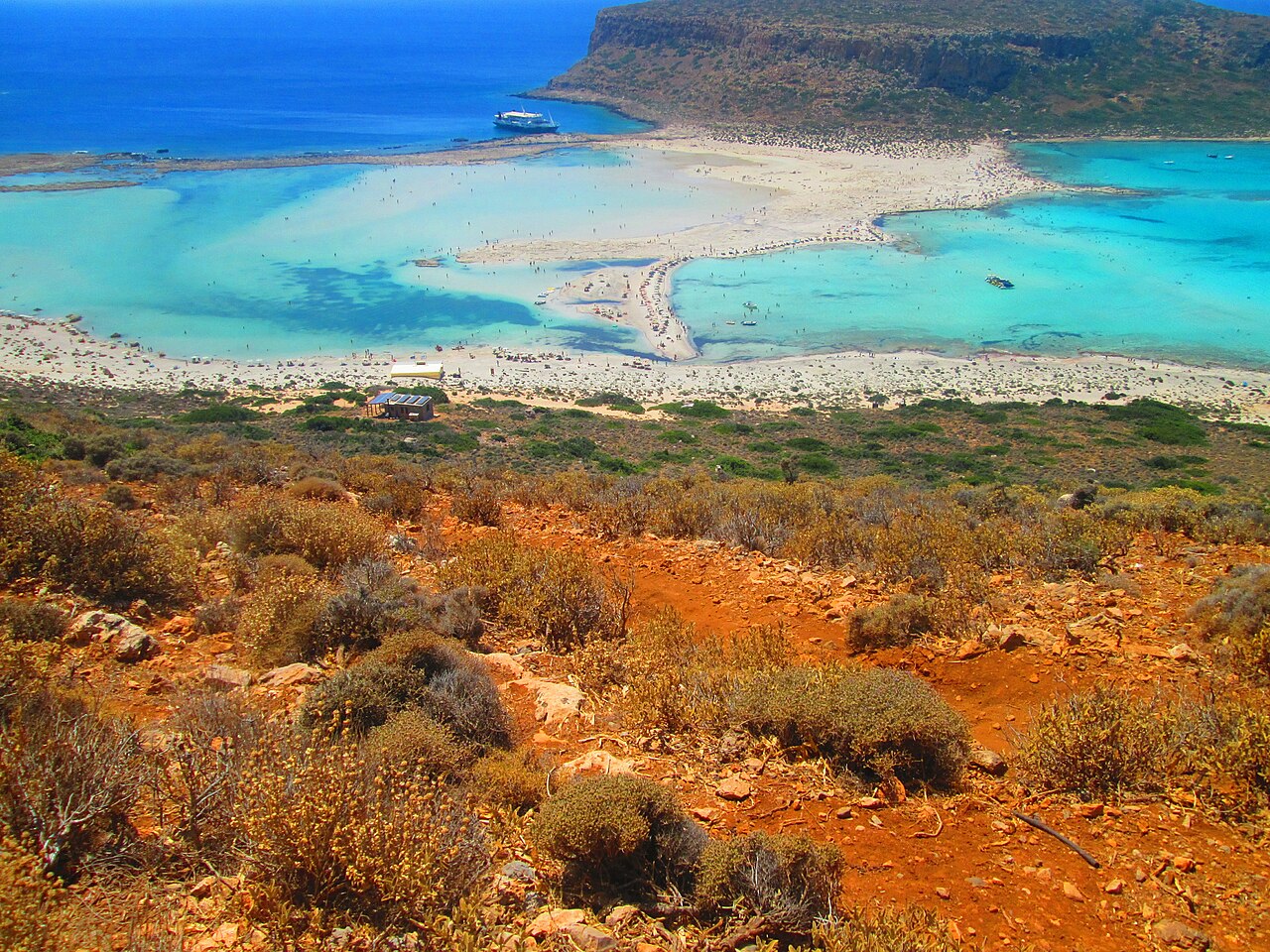
A lagoon is a shallow, sheltered body of water—often saline or brackish—partly separated from the open ocean by some kind of natural barrier. These separators can be narrow pebble or shingle ridges, sandy spits, or biologically built structures such as coral reefs. Lagoons occur along coasts and within oceanic ring islands called atolls; their size, salinity and ecological character vary widely depending on local climate, tides and freshwater input.
Pebble, shingle or sand banks commonly form the physical barriers that limit exchange with the sea, while a coral reef can enclose a water body to create an atoll. Atolls themselves originate from the long-term subsidence of a volcanic island, produced initially by a volcano, around which corals grow and eventually form a ring as the central landmass erodes or sinks.

Image gallery
10 Images




Formation and major characteristics
Lagoons form through a combination of sediment deposition, sea-level change and biological growth. Sediment carried by waves and currents builds barriers that trap seawater inshore. In reef environments, living corals accrete calcium carbonate and can create enclosed basins as underlying islands subside. Typical physical traits include shallow depth, reduced wave energy, and variable water exchange with the open sea. These conditions often produce gradients of salinity, temperature and oxygen from the seaward margins toward the inner basin.
Common attributes:
- Shallow depth relative to adjacent ocean
- Partial separation by natural barriers or reefs
- Variable salinity—marine to brackish
- Reduced wave energy, promoting sedimentation

Ecology, uses and human importance
Lagoons often support rich ecosystems: seagrass meadows, mangroves, salt marshes, and diverse fish and invertebrate communities. They act as nursery grounds for commercially important species, filter sediments and nutrients, and buffer coastal zones from storms. Humans use lagoons for fisheries, aquaculture, recreation and sometimes infrastructure, but they are sensitive to pollution, land reclamation and altered freshwater flows.
Management challenges include eutrophication, habitat loss and invasive species. Conservation measures commonly combine habitat protection, pollution control and sustainable fisheries practices to maintain ecological function.

Types, distinctions and notable examples
Lagoons are often classified by origin: coastal (behind barrier beaches), barrier-lagoon systems, and reef or atoll lagoons. Coastal lagoons may be intermittently open to the sea; atoll lagoons are typically fully marine and lie within coral rings. Some lagoons are hypersaline or nearly isolated, while others maintain regular tidal exchange.
- Erosional and depositional lagoons—distinguished by how the barrier formed
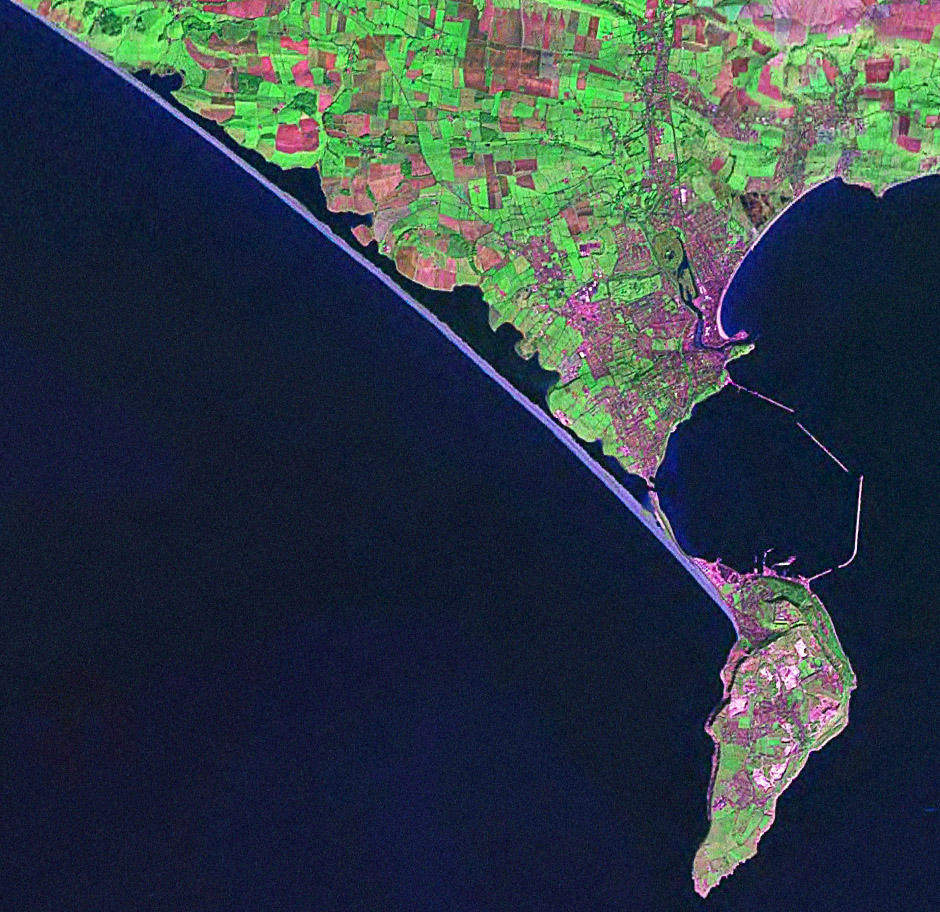
- Chesil Beach and the Fleet lagoon system, UK—classic shingle-bar example (Isle of Portland nearby)
- Blaketown Lagoon, New Zealand—an example connected to the sea
- Fangataufa—an atoll with an inner lagoon in the Pacific
- Kara-Bogas-Gol—a large enclosed lagoon-like basin in Turkmenistan illustrating continental examples

Understanding lagoons requires considering geology, oceanography and biology together. Their diversity—from small coastal pools to vast atoll basins—makes them important subjects for coastal science, conservation and sustainable resource use.
Related articles
Author
AlegsaOnline.com Lagoon: formation, types, ecology and notable examples Leandro Alegsa
URL: https://en.alegsaonline.com/art/55387