
Belize: Central American country
Belize is a small, multilingual Central American country with rich Maya heritage, a long Caribbean coastline, the Belize Barrier Reef, and a diverse population. Overview of geography, people, history and attractions.

Belize is a small nation on the eastern edge of Central America. It fronts the Caribbean Sea and combines coastal lowlands, mangrove-lined lagoons and an interior of low mountains and tropical forest. Belize is notable within the region for being the only predominantly English-speaking country in Central America, a legacy of its history as a British territory. Its shoreline is dotted with hundreds of small islands and cays and bordered by extensive coral systems.
Image gallery
10 Images
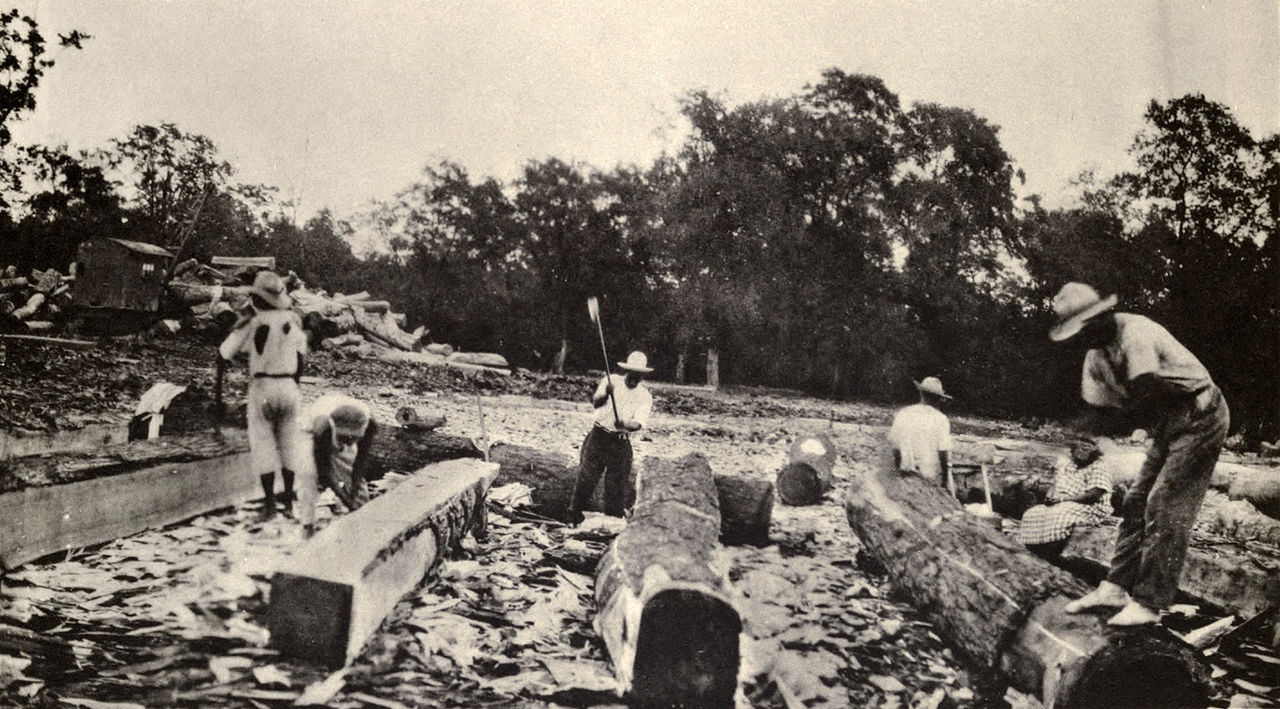
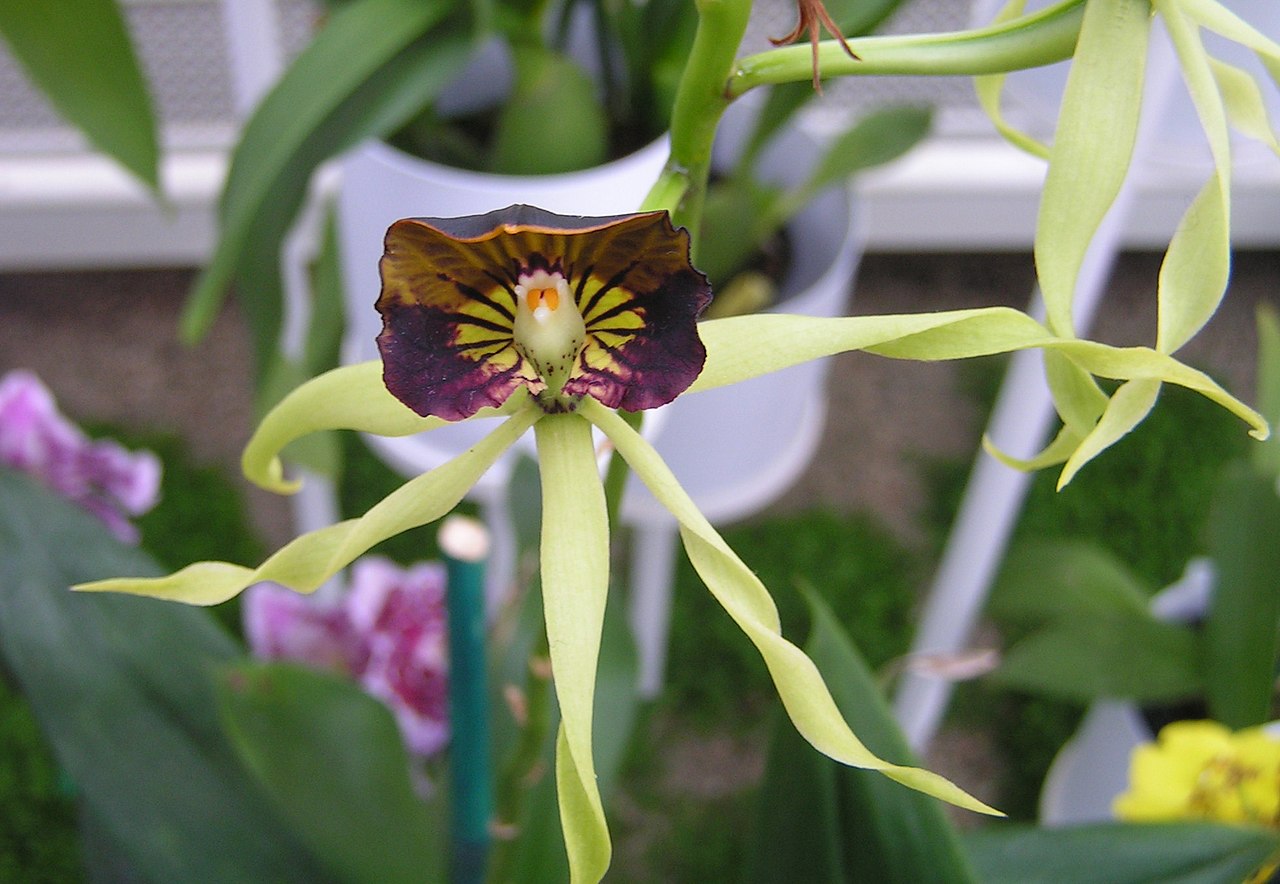

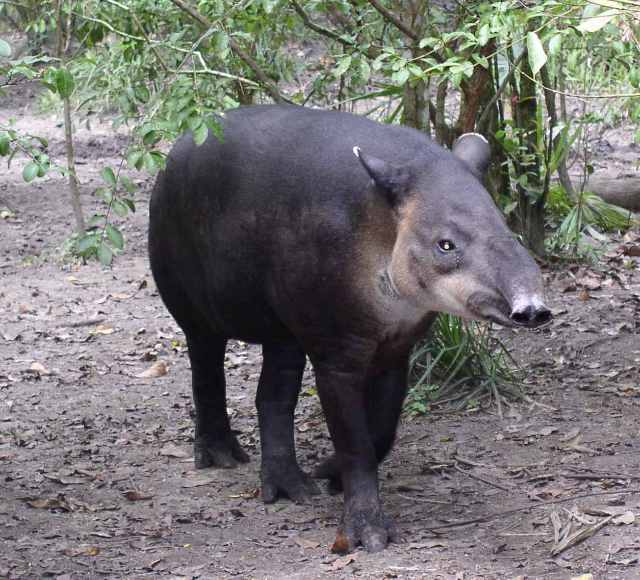


Geography and natural features
The country’s coastline includes roughly 450 small islands and sand cays; many are popular for tourism and fishing and collectively shape Belize’s maritime identity (islands). The largest and best-known cay is Ambergris Caye, which lies close to the barrier reef. Offshore, the Belize Barrier Reef—part of a long chain of coral reefs—supports abundant marine life and offers world-class diving and snorkeling opportunities; descriptions of these coral systems are often labeled under coral reefs.
People, languages and communities
Belize has a diverse population made up of descendants of indigenous Maya groups, African and European settlers, and more recent arrivals from neighboring countries. Languages spoken include English as the official language, along with Spanish (Spanish), Belizean Kriol and several Maya languages. Distinct Maya communities in Belize include the Yucatec and groups such as the Mopan and Kekchi, while people of mixed ancestry are often described as Mestizo in demographic accounts.
History and political development
The territory now called Belize was long influenced by Maya civilization before European contact. During the colonial era it became known as British Honduras and remained a British possession for many years. Its colonial past is frequently summarized with references to its status as a former colony and its ties to the United Kingdom. Surrounding countries were, by contrast, colonized by Spain (Spain), which helps explain linguistic differences across the region. The modern capital, built inland after a destructive hurricane, is Belmopan, while the largest city and historic port is Belize City.
Towns, economy and transport
Beyond the capital, several coastal and inland towns anchor local economies. Well-known population centers include Corozal Town, Orange Walk Town, Punta Gorda and the twin towns of San Ignacio and Santa Elena. The economy mixes small-scale agriculture, tourism concentrated on marine and archaeological sites, fisheries and services. Transport relies on a modest road network, regional air links and maritime connections to the cayes.
Nature, conservation and tourism
Belize’s natural heritage is a major draw for visitors: tropical forests harbor mammals and birdlife, rivers and caves preserve archaeological remains, and the nearshore sea supports diving and fishing on and around the reef. Conservation efforts focus on protecting marine zones, Maya archaeological reserves, and forest habitats. Tourism emphasizes sustainable and community-based experiences that connect cultural history with outdoor recreation.
Practical distinctions and notable facts
- Official language: English, with widespread multilingualism.
- Coastline and maritime features: Caribbean Sea, extensive coral reefs and many islands.
- Major island: Ambergris Caye.
- Capital and major towns: Belmopan, Belize City, Corozal Town, Orange Walk Town, Punta Gorda.
- Ethnic and linguistic communities include Maya groups such as Mopan and Kekchi, and mixed-heritage populations like Mestizo.
- Historical notes: former British possession (former colony) tied to the United Kingdom while neighbors were colonized by Spain.
For further information and practical travel guidance, consult national resources and reputable travel planning services linked from local government and conservation organizations (regional, language, cultural resources).
Questions and answers
Q: What is the official language of Belize?
A: English is the official language of Belize.
Q: How many people live in Belize?
A: As of 2017, there were 374,681 people living in Belize.
Q: What are some of the cultures present in Belize?
A: The cultures present in Belize include Kriols, Maya groups (Yucatec, Mopan and Kekchi), Garinagu (a mix of African, Arawak and Carib ancestry) and Mestizos.
Q: What was the first capital city of Belize?
A: The first capital city of Belize was Belize City.
Q: What is the largest island off the coast of Belize?
A: The largest island off the coast of Belize is Ambergris Caye which is 40 kilometres long.
Q: Is it hot all year round inBelize?
A: Yes, it typically ranges from 20°C to 32°C along the coast all year round.
Related articles
Author
AlegsaOnline.com Belize: Central American country Leandro Alegsa
URL: https://en.alegsaonline.com/art/10253
Sources
- statisticsbelize.org.bz : "Belize"
- sib.org.bz : POPULATION & HOUSEHOLD
- sib.org.bz : "Belize Population and Housing Census 2010: Country Report"
- imf.org : "Belize"
- hdr.undp.org : "2015 Human Development Report"
- belize.com : "2010 Census of Belize Overview"
- belize.com : "2010 Census of Belize Detailed Demographics of 2000 and 2010"
- geography.berkeley.edu : Maya Homeland
- know-belize.com : "Move to Belize Guide", Belize Travel Guide
- biodiversity.bz : "BERDS Topography"
- servir.net : “Forest Cover and Deforestation in Belize: 1980–2010.”
- biological-diversity.info : "Biodiversity in Belize – Ecosystems Map"
- eprints.eriub.org : "The Mangroves of Belize: Part 1. Distribution, Composition and Classification"
- doi.org : 10.1016/S0378-1127(02)00036-1