
Grand Est: northeastern French region formed from Alsace, Champagne-Ardenne and Lorraine
Grand Est is an administrative region in northeastern France created in 2016 from Alsace, Champagne‑Ardenne and Lorraine; it spans varied geography, history, languages and a mixed industrial and agricultural economy.
Overview
48°45′16″N 5°51′06″E marks a central coordinate in Grand Est, a large administrative entity in France created by territorial reform. The region was formed on 1 January 2016 by merging the former regions of Alsace, Champagne‑Ardenne and Lorraine. For a short period it was known by the provisional name Alsace‑Champagne‑Ardenne‑Lorraine (sometimes abbreviated ACAL or ALCA) before the official name Grand Est was adopted. The administrative status is that of an administrative region with Strasbourg as its capital and largest city; Strasbourg also hosts several European institutions and acts as an international hub (Strasbourg).

Image gallery
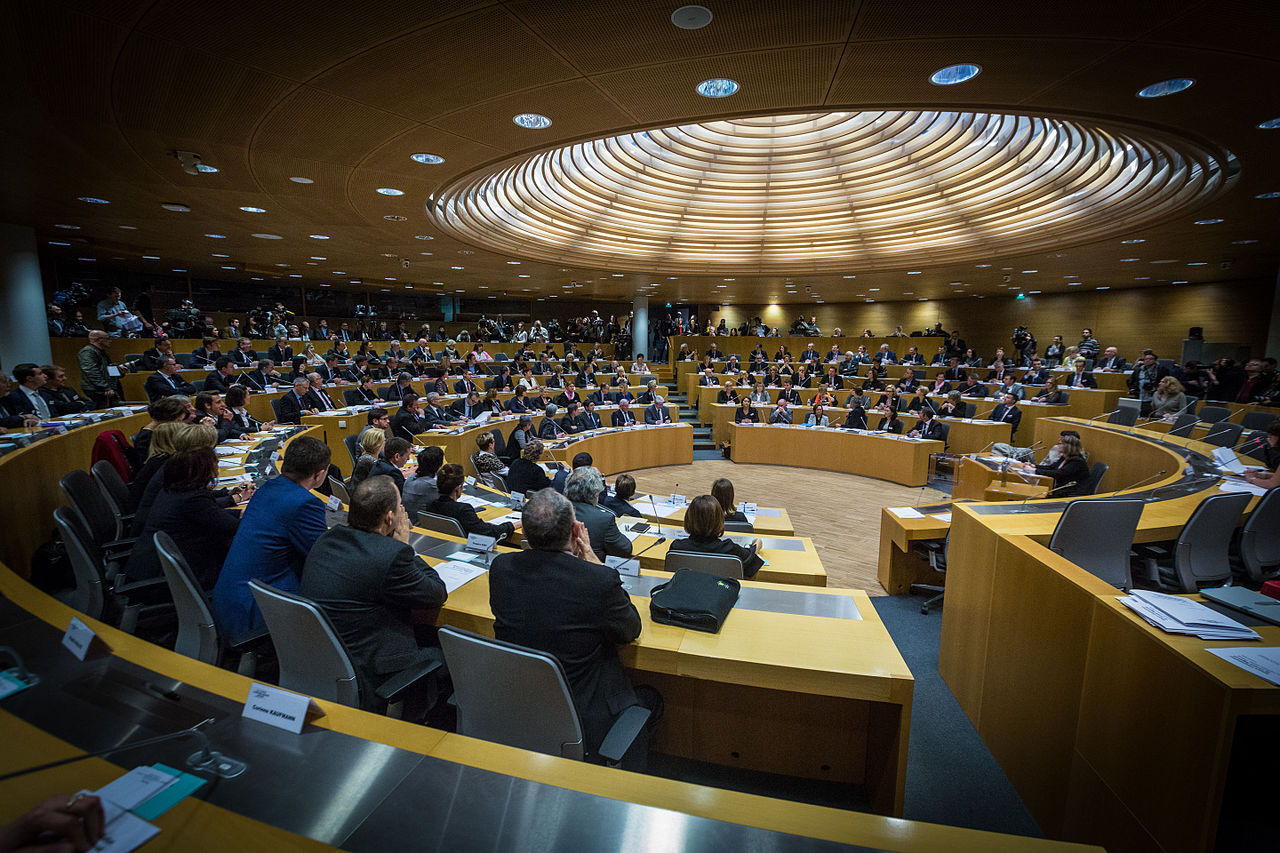
6 Images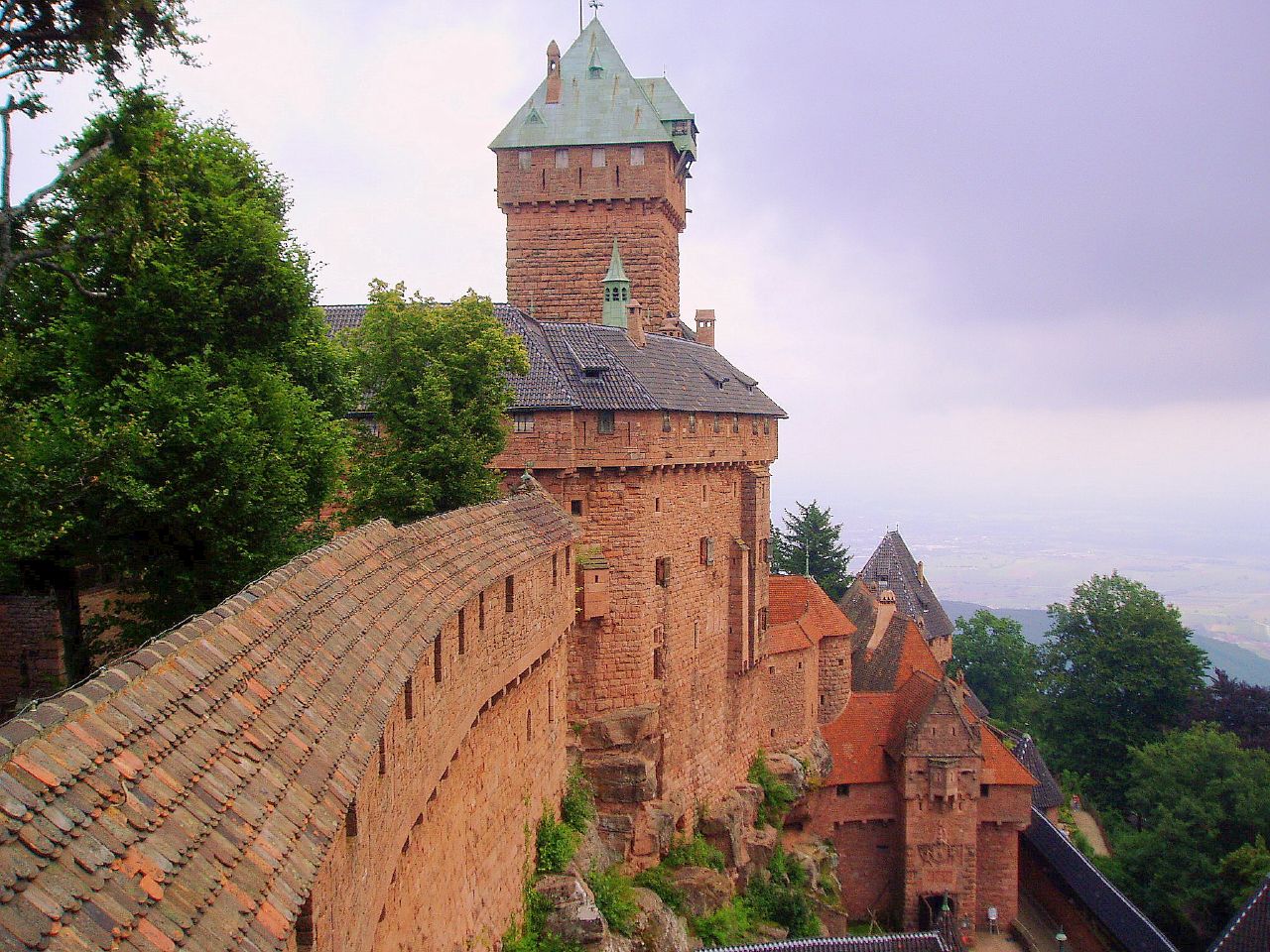



Geography and environment
Grand Est occupies a broad swath of northeastern France, spanning river basins of the Seine and the Meuse, and stretching eastward toward the Rhine. The landscape includes the rounded peaks and wooded slopes of the Vosges mountains and the rugged plateaus of the Ardennes. Its position places it along international borders with Belgium, Luxembourg, Germany and Switzerland, which shapes cross‑border commuting, commerce and cultural exchange. Part of the region lies within the densely populated European Megalopolis, while other areas remain rural, with vineyards, forests and mixed farms.
Historical development
The territory now called Grand Est has deep historical layers. Much of it was regarded as eastern Francia centuries ago and was part of the old Francian polity of Austrasia. Several of its areas, notably Alsace and Lorraine, were influenced for long periods by the Holy Roman Empire, especially during the Middle Ages and into the Renaissance, leaving a complex legal and cultural legacy. The city of Reims in the western portion of the region became the traditional location for the coronation of French kings, and the medieval Champagne fairs contributed to the rise of long‑distance trade in Europe. Modern administrative boundaries were shaped more recently by 19th and 20th‑century political changes and by the 2014 reform that led to the current Grand Est.
Culture, language and traditions
Grand Est is a meeting point between Romance and Germanic cultural areas. Regional languages and dialects persist alongside standard French: for example Alsatian in parts of Alsace, Moselle Franconian or Luxembourgish variants in border zones, and Rhine Franconian forms often rendered in German as Großer Osten. Local Romance dialects such as Champenois and Lorraine varieties also survive in rural communities. Popular customs—Saint Nicholas celebrations in winter, lively Christmas markets, and folk Easter traditions like the Easter hare in Alsace and Lorraine—remain important elements of regional identity.
Economy, agriculture and tourism
The region combines industrial centers, agricultural plains and internationally famous wine districts. Champagne vineyards and wine production are economically and culturally significant, while other areas support mixed farming and food processing. Historic industrial activity—metallurgy, textile production and heavy industry—remains present in parts of Lorraine and elsewhere, even as the economy has diversified into services, logistics and cross‑border employment. Agriculture continues to be a major sector, from cereal cultivation to vineyards and specialist crops (agriculture). Tourism draws visitors for city architecture, historic sites, gastronomy and natural landscapes.
Administration and notable facts
Grand Est is administered from Strasbourg and organized into subnational units consistent with French law. Because of historic treaties and changing borders, parts of the region—particularly Alsace‑Moselle—have specific legal exceptions and local provisions that differ from national norms. The creation of Grand Est was part of a broader national effort to streamline regional government; it remains the subject of local discussion and occasional political debate about identity, names and the balance between regional cohesion and departmental autonomy.
- Central coordinate reference: 48°45′16″N 5°51′06″E.
- Former regions merged: Alsace, Champagne‑Ardenne, Lorraine.
- Major rivers and ranges: Seine, Meuse, Vosges, Ardennes.
- Bordering states: Belgium, Luxembourg, Germany, Switzerland.
This article provides a concise reference to Grand Est—its geography, historic formation, cultural diversity and economic profile—situating the region within both national France and transnational European contexts. For regional institutions and practical details see sources linked above and regional administrative pages such as Strasbourg.
Related articles
Author
AlegsaOnline.com Grand Est: northeastern French region formed from Alsace, Champagne-Ardenne and Lorraine Leandro Alegsa
URL: https://en.alegsaonline.com/art/40192