
Grand Teton National Park
Overview of Grand Teton National Park: landscape, geology, wildlife, history, recreation, access and basic visitor guidance for the Teton Range and Jackson Hole area.
Overview
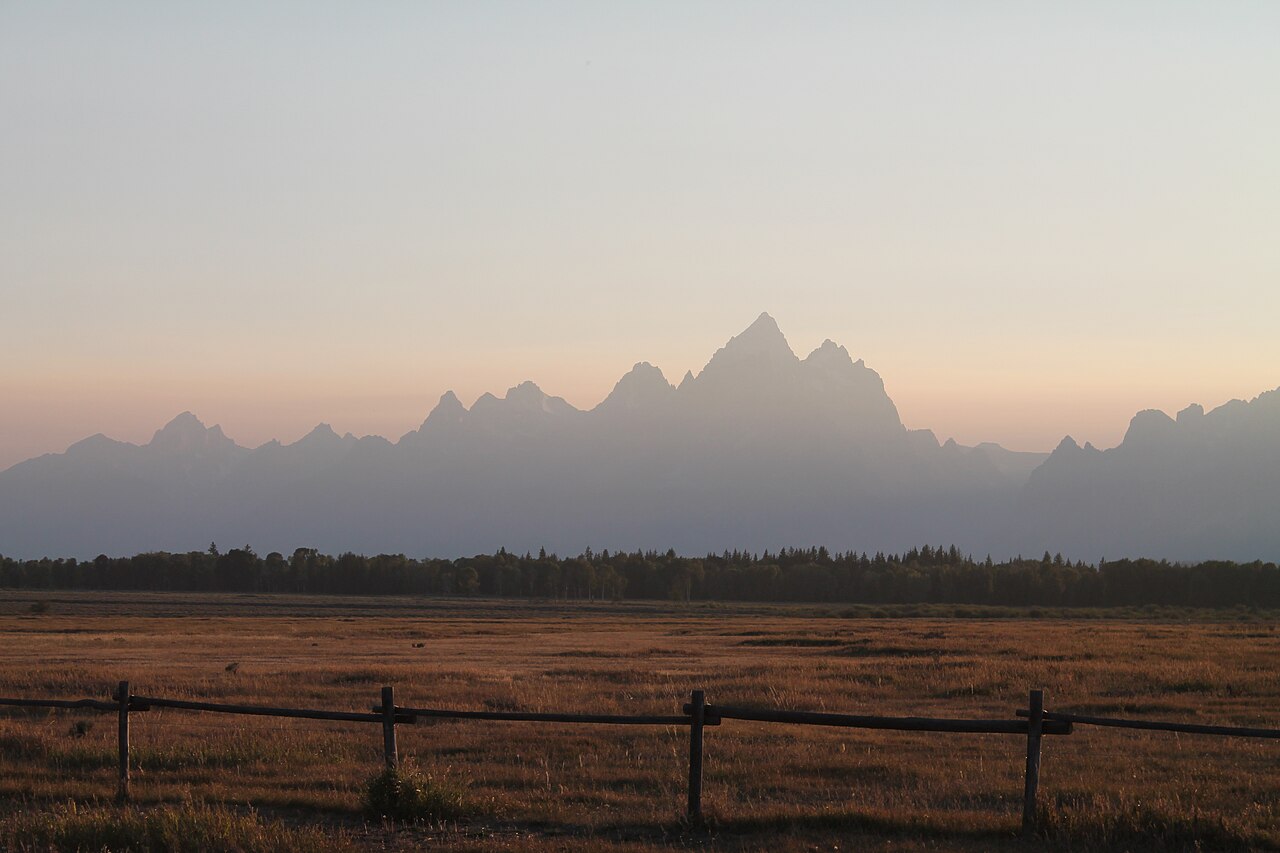
Grand Teton National Park protects a dramatic segment of the Rocky Mountains in northwestern Wyoming, immediately south of Yellowstone National Park. The park centers on the jagged Teton Range and the valley known as Jackson Hole, where alpine peaks rise abruptly from low-lying meadows and glacial lakes. The highest summit, Grand Teton, is a focal point for climbers, photographers and outdoor recreationists.
Image gallery
10 Images




Geology and natural features
The Teton Range is a young, steep mountain range formed by uplift along a fault block; glaciers from the last ice ages sculpted the sharp ridges and deep cirques. The park contains a compact combination of peaks, moraines, hanging valleys, rivers and lakes. Iconic sights include mirrorlike alpine lakes, the Snake River's meanders and broad valley wetlands that support riparian corridors and diverse plant communities.
History and conservation
Indigenous peoples used and traveled through the area for millennia. Euro-American trappers, ranchers and mountaineers arrived in the 19th century. During the 20th century, private citizens and federal action worked to protect the most scenic and ecologically sensitive lands; the park today reflects a history of land purchases, donations and policy decisions intended to conserve both mountain and valley environments.
Wildlife and ecosystems
Grand Teton supports a wide range of species typical of the northern Rockies: large ungulates such as elk, moose and mule deer; carnivores including black bears and occasionally grizzly bears in adjacent areas; and many smaller mammals, raptors and songbirds. Aquatic habitats support native cutthroat trout and other fish. Vegetation zones vary with elevation from sagebrush steppe in valley floors to subalpine forests and alpine tundra on higher slopes.
Recreation and visitor experience
Popular activities include climbing, hiking, backcountry camping, boating and fishing. Trails range from short boardwalks to strenuous routes that reach alpine ridgelines. The park maintains visitor centers, interpretive programs and campgrounds; neighboring communities provide lodging, guiding services and cultural attractions. For official planning, safety and seasonal notices consult the park's resources: official park information, state visitor resources and nearby Yellowstone references.
Access, seasons and safety
Access is commonly gained from the town of Jackson and several park entrances. Weather varies rapidly with elevation; winters bring deep snow and limited vehicle access, while summer offers long daylight and warmer valley temperatures. Visitors should practice bear-aware behavior, follow regulations on camping and fires, and prepare for altitude and sudden weather changes. For maps, permits and travel planning see local resources: regional information.
Notable distinctions
Visitors often note the striking contrast between the towering Teton summits and the flat valley floor, a landscape shaped by tectonic uplift and glaciation. Ongoing conservation, scientific study and thoughtful recreation management aim to balance public access with habitat protection.
- Popular activities: mountaineering, hiking, boating, wildlife viewing
- Characteristic features: Teton Range, Jackson Hole valley, alpine lakes and rivers
- Conservation notes: protected habitats, seasonal closures and visitor guidelines
Related articles
Author
AlegsaOnline.com Grand Teton National Park Leandro Alegsa
URL: https://en.alegsaonline.com/art/40224