
Meuse (Maas): a major river of France, Belgium and the Netherlands
The Meuse (Dutch: Maas) is a principal Western European river rising in France, flowing through Belgium and the Netherlands and draining into the North Sea. It has long commercial, ecological and historical significance.
Overview
The Meuse, known in Dutch as Maas, is a prominent river in Western Europe. It runs roughly northwards from its source in northeastern France and empties into the North Sea. At about 925 km in length, the Meuse links upland plateaus and lowland estuaries and has shaped regional trade, settlement and transportation for centuries.
Image gallery
10 Images




Course and geography
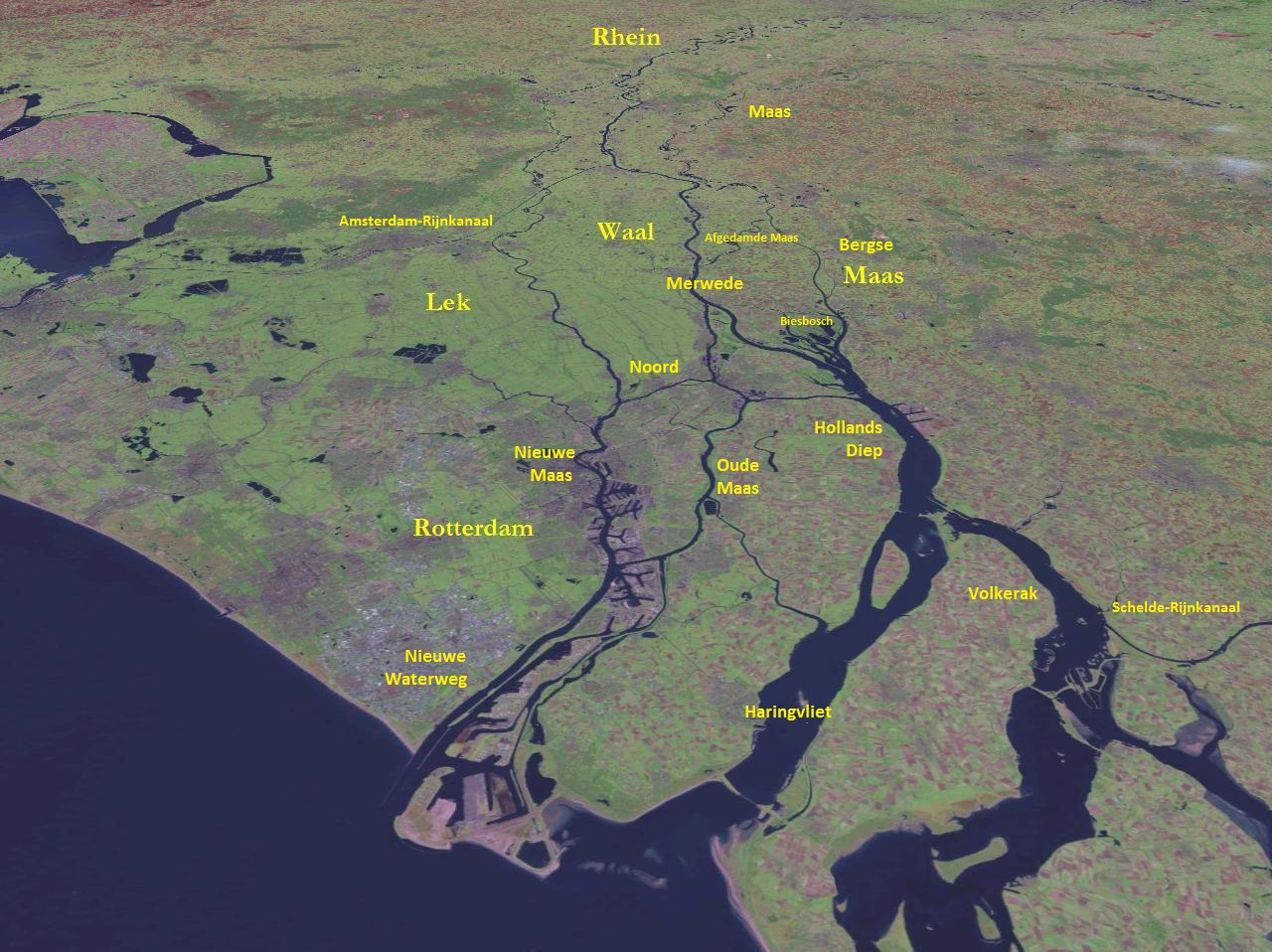
The river rises in France and then flows through parts of Belgium and the Netherlands. Its headwaters begin on the Langres plateau in France, continue through Belgian provinces and Dutch provinces, and ultimately reach the North Sea. Along the way it passes through varied landscapes — chalk and sandstone uplands, industrial valleys and reclaimed floodplains — and sometimes defines local borders between states such as Belgium and the Netherlands.
Characteristics and uses
The Meuse basin is fed largely by precipitation and groundwater; many stretches respond quickly to rain events and seasonal snowmelt, which has led to intensive flood management. The river is navigable over long stretches and supports commercial shipping, inland navigation and a network of locks and canals. It also supplies water for industry, agriculture and municipalities, while serving as a corridor for recreational boating and fishing. Much of its flow regime is influenced by rainfall and runoff patterns rather than large alpine snowmelt, making precipitation an important control on levels and floods (rainwater contribution).
History and cultural importance
Settlements and fortifications have clustered along the Meuse for millennia. Cities such as Verdun, Namur, Liège and Maastricht bear medieval, industrial and military legacies tied to the river. The Meuse valley was a strategic axis in several historical conflicts and an early focus of industrial development in Europe’s coal and steel eras. It remains prominent in regional identity, literature and cross-border cooperation.
Ecology, management and distinctions
Ecologically, the river supports wetland habitats, migratory fish and riparian woodlands; recent decades have seen efforts to restore floodplains and improve water quality. Although some popular statements call it the "oldest river", that is imprecise: the Meuse is ancient in European context but not demonstrably the world’s oldest watercourse. Names and pronunciations vary regionally; for the Dutch-speaking population the river is commonly called the Maas.
Major cities along the Meuse
- Verdun
- Namur
- Liège
- Maastricht
For further reading about the river’s hydrology, navigation infrastructure and cross-border management consult overview resources and regional water authorities (regional context, river systems, French source regions).
Related articles
Author
AlegsaOnline.com Meuse (Maas): a major river of France, Belgium and the Netherlands Leandro Alegsa
URL: https://en.alegsaonline.com/art/64304
Sources
- chr-khr.org : Extreme discharges in the Meuse basin