
Farming: Cultivation of Crops and Animal Husbandry for Food and Raw Materials
Overview of farming: deliberate cultivation of crops and rearing of livestock for food and raw materials, tracing Neolithic origins, regional spread, and effects on settlements, society, technology and land use.
Farming is the practice of growing crops and raising animals to produce food and other raw materials used by people. It is a central activity within agriculture and differs from wild food gathering because it involves deliberate planting, breeding and land management.
Image gallery
10 Images


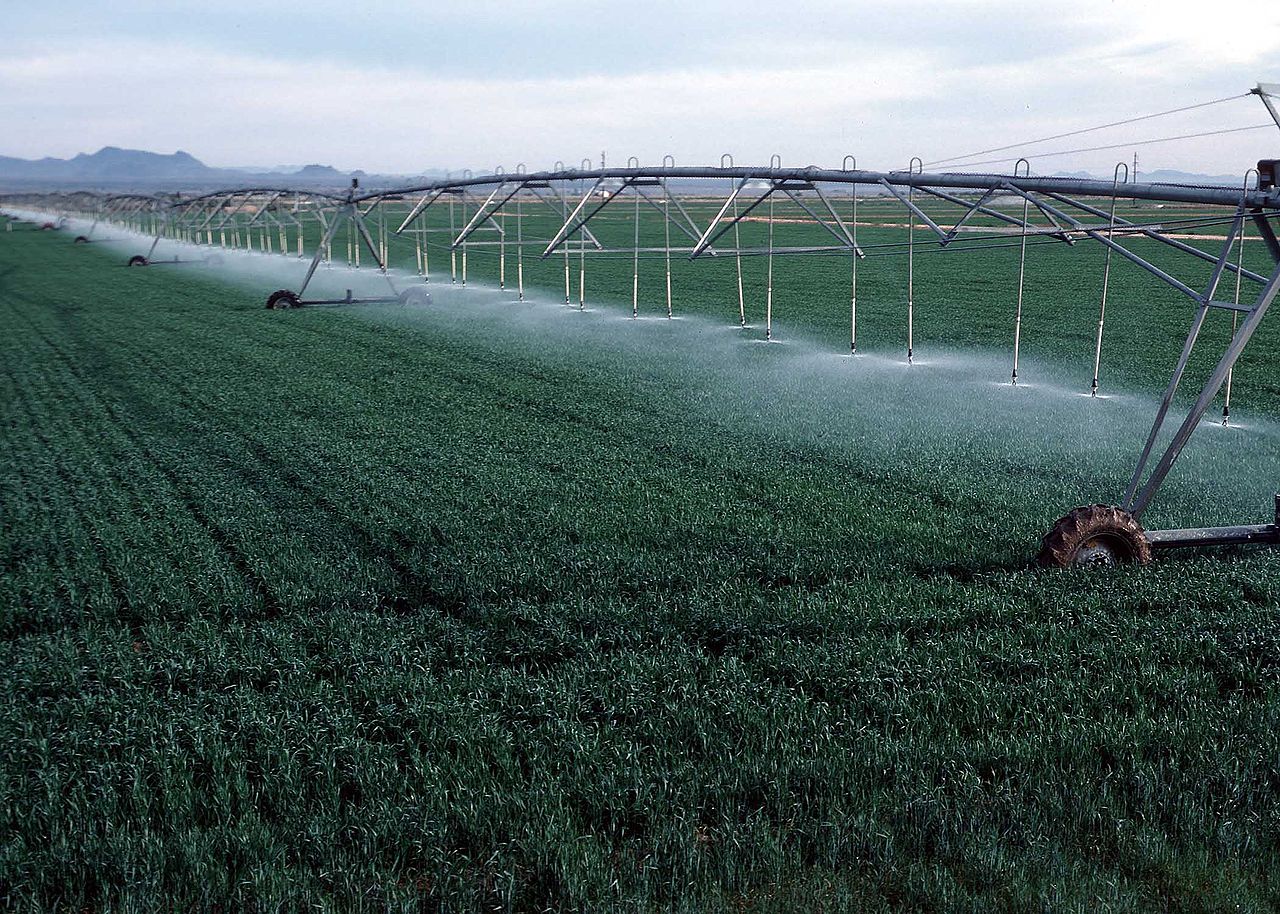



Early beginnings
People began to cultivate plants and tame animals several thousand years ago during the period known as the Neolithic. This change from a mobile lifestyle to one based on settled life came as many groups reduced or stopped nomadic hunting and instead became permanent settlers in villages and towns. Alongside this shift came the domestication of species that could be farmed reliably.
Where farming first developed
Archaeological and genetic evidence point to regions in and around the Fertile Crescent as one of the earliest places where systematic farming took root. The Fertile Crescent includes river valleys such as the Nile Valley and parts of Mesopotamia, as well as areas of the eastern Mediterranean. Modern states that cover parts of this ancient zone include Iraq, Syria, Turkey, Jordan, Lebanon, Israel, and Egypt.
Some of the first plants grown deliberately by people were staples such as wheat and barley. Early farmers probably combined intentional planting with continued use of wild foods for a long transitional period.
Why people took up farming
There is no single agreed explanation for why farming began. Climate and soil conditions may have made certain areas more suitable for growing food, encouraging people to stay in one place. Over time, managed cultivation could support far more people on the same area of land than a community of hunter-gatherers could, making settled food production attractive for growing communities.
Long-term effects
The adoption and spread of farming enabled denser human settlements and played a major role in the gradual growth of the human population. It also changed social organization, technology, and land use patterns — developments that set the stage for cities and many other features of later societies.
Questions and answers
Q: What is farming?
A: Farming is growing crops and keeping animals for food and raw materials, which is a part of agriculture.
Q: How old is agriculture?
A: Agriculture started thousands of years ago, but no one knows for sure how old it is.
Q: What was the result of the development of farming?
A: The development of farming gave rise to the Neolithic Revolution as people gave up nomadic hunting and became settlers in cities.
Q: Where did agriculture and domestication probably start?
A: Agriculture and domestication probably started in the Fertile Crescent (the Nile Valley, the Levant and Mesopotamia). The area called Fertile Crescent is now in the countries of Iraq, Syria, Turkey, Jordan, Lebanon, Israel, and Egypt.
Q: What were some of the first crops people grew?
A: Wheat and barley are some of the first crops people grew.
Q: Why may have people started farming? A: People may have started farming because the weather and soil began to change. Farming can feed many more people than hunter-gatherers can feed on the same amount of land which allowed human population to grow to such large numbers as there are today.
Related articles
Author
AlegsaOnline.com Farming: Cultivation of Crops and Animal Husbandry for Food and Raw Materials Leandro Alegsa
URL: https://en.alegsaonline.com/art/33549