
Coronation: the ceremony of crowning a monarch
A coronation is a public ceremony that marks the formal investiture of a monarch. It combines political, legal and often religious acts and typically involves regalia such as a crown, sceptre and anointment.
Overview
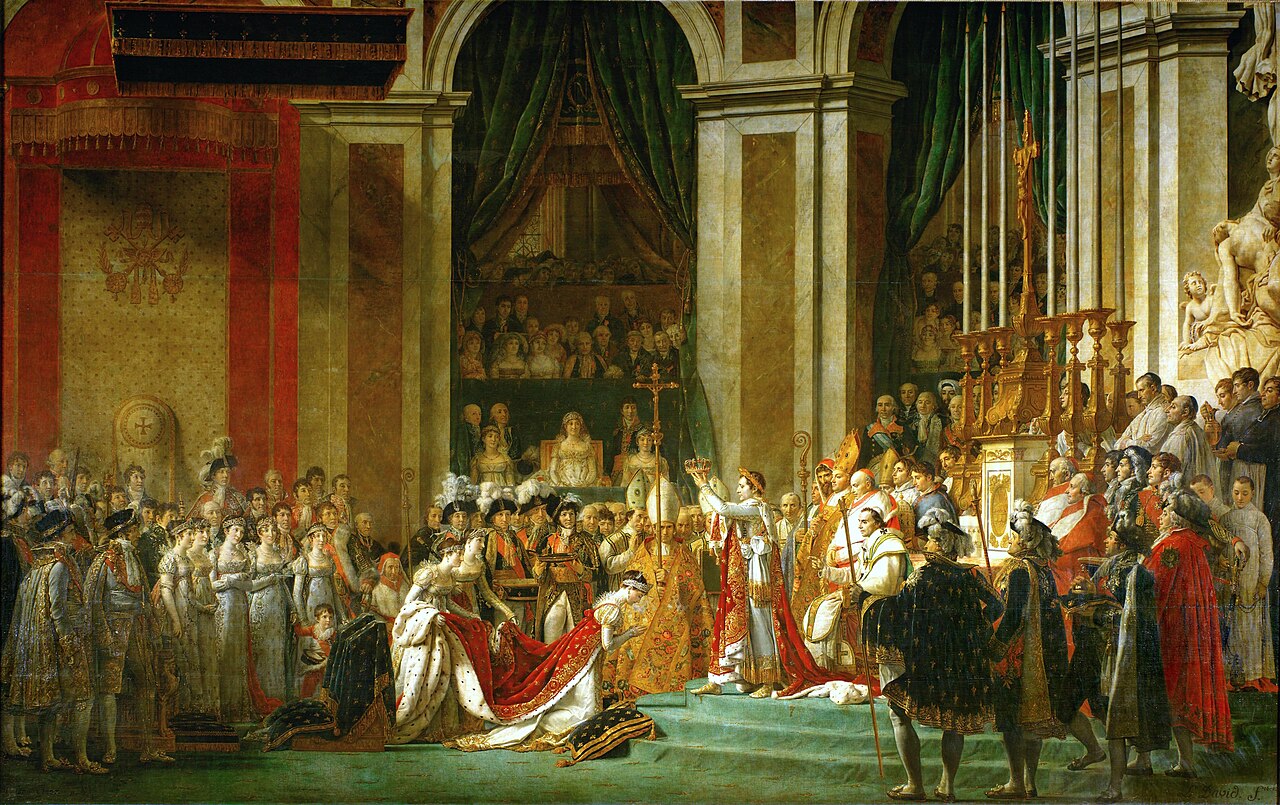
A coronation is a formal public ceremony that marks the moment a monarch is ceremonially invested with royal authority. The act is most visibly symbolized by placing a crown on the sovereign’s head; it is common to say the king or queen has been “crowned.” Coronations blend political legitimacy, constitutional procedure and cultural pageantry.
Image gallery
10 Images



Key elements of the ceremony
- Coronation regalia: objects such as the crown, sceptre and orb represent authority and continuity.
- Anointing: in many traditions the monarch is anointed with oil, a ritual with religious meaning that emphasizes sacred responsibility.
- Oath or proclamation: the sovereign often swears to uphold laws or duties and is proclaimed to the people.
- Procession and music: processions, choral and instrumental music, and formal robes highlight the ceremony’s public and ceremonial nature.
History and development
Coronations have ancient roots and varied forms across cultures. In medieval Europe they became elaborate state and church occasions linking monarchy and religion; clergy often played a central part in the ritual. Over centuries the ceremony evolved: some parts acquired constitutional significance (for example, an oath) while others emphasized spectacle and continuity with the past.
Modern practice and examples
Today coronations are less frequent than in earlier eras because some monarchies no longer exist and others mark accession with simpler acts. However, several countries retain full coronation rites; for instance, the British coronation remains a major ceremonial event in Great Britain and the Commonwealth. Where they survive, coronations are often televised and adapted to contemporary expectations while keeping traditional elements.
Significance and distinctions
While a coronation is a symbolic investiture, legal authority may pass at accession or by constitutional formula regardless of the ceremony. Coronations differ from related events such as enthronements, inaugurations or investitures for non-monarchical offices, which may share some features but lack a crown or anointing. As civic rituals they communicate legitimacy, continuity and national identity even when their political power is largely symbolic.
For further reading on ceremonial forms and comparative traditions, consult specialized works on monarchy, liturgy and constitutional history. See also related ceremonial and state occasions described in academic and cultural sources.
Related articles
Author
AlegsaOnline.com Coronation: the ceremony of crowning a monarch Leandro Alegsa
URL: https://en.alegsaonline.com/art/23190