
Oat (Avena sativa): description, cultivation, uses and nutritional role
Oats (Avena sativa) are a temperate cereal grain grown for human food, animal feed and straw. This article covers botany, processing, nutrition, uses, history and distinctions including gluten considerations.
Overview
The oat (Avena sativa) is a common cereal crop cultivated primarily for its grain. Oats serve as food for people and are widely used in feed for other animals, notably chickens and horses. Processed forms such as oatmeal and rolled oats are staples in many cuisines, while oat straw is valued as bedding and mulch. Traditional preparations like porridge remain popular around the world.
Image gallery
10 Images



Characteristics and parts
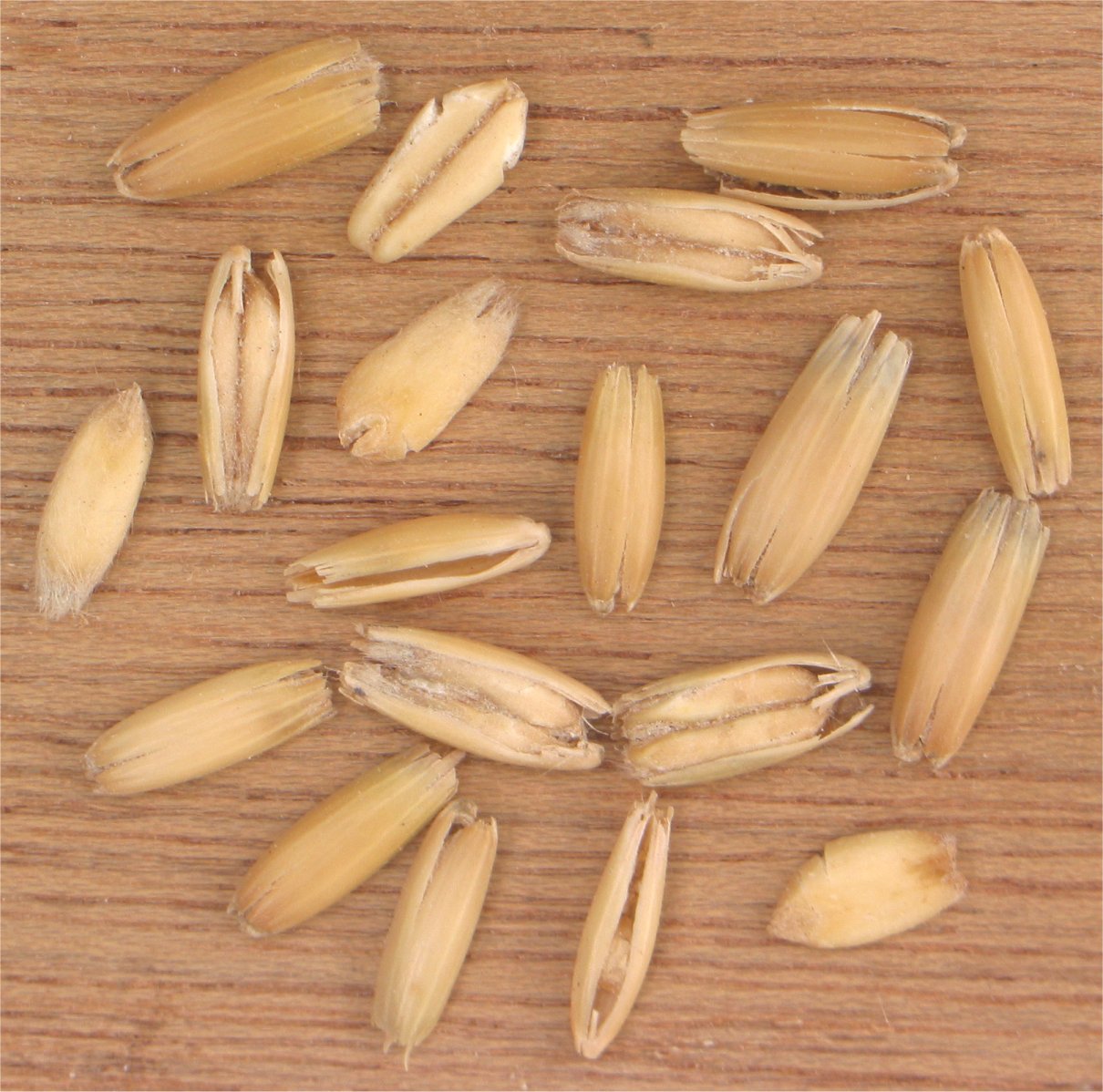
Oat plants are cool-season grasses with a loose panicle of seeds. The harvested kernel, or groat, consists of the bran, germ and endosperm. Milling and heat treatment produce several common forms: whole groats, steel-cut oats, rolled (flaked) oats and instant oats. Each form differs in texture and cooking time but retains much of the grain's fiber and nutrient content.
History and cultivation
Oats likely became important as a crop in temperate Europe where they tolerated cooler, wetter soils that were less suited to wheat or barley. Historically oats were used first as animal fodder and later as a human food in northern regions. Modern cultivation emphasizes varieties adapted to local climates, disease resistance and yield. Oats are often included in crop rotations for soil health and weed suppression.
Nutrition and health
Oats are valued for a relatively high content of soluble fiber, including beta-glucans, and offer protein, vitamins and minerals compared with many other cereals. Their fiber contributes to digestive regularity and has been associated with positive effects on blood lipids. Most oats are naturally free of gluten proteins found in wheat, but cross-contact during processing can introduce gluten; people with celiac disease should choose certified gluten-free oats if advised.
Uses and processing
- Human foods: porridge, muesli, granola, bakery products, oat flour and plant-based drinks.
- Animal feed: whole or processed grain for livestock and poultry.
- Byproducts: straw for bedding, mulch and biomass.
- Industrial: specialty oats for brewing, cosmetics or functional ingredients.
Notable distinctions
Compared with other cereals, oats tend to do better in poor or acidic soils and cooler climates. Their unique storage proteins (avenins) differ from wheat gluten; a minority of sensitive individuals may react to avenin. Processing determines culinary uses and shelf stability, so choosing steel-cut, rolled or instant oats depends on desired texture and preparation time.
Questions and answers
Q: What is an oat?
A: Oat is a cereal grain that is used as food for people and animals.
Q: What is oatmeal made from?
A: Oatmeal is made from oats.
Q: What is oat straw used for?
A: Oat straw is used as bedding for animals.
Q: What is porridge made from?
A: Porridge is made only from whole grain oats.
Q: What are the benefits of adding oats to a balanced diet?
A: Oats form an excellent part of a balanced diet for people and animals.
Q: Are oats only good for animals or are they good for humans as well?
A: Oats are good for both people and animals.
Q: Are whole grain oats a better choice than processed oats?
A: Yes, whole grain oats are a better choice than processed oats as they are more nutritious.
Related articles
Author
AlegsaOnline.com Oat (Avena sativa): description, cultivation, uses and nutritional role Leandro Alegsa
URL: https://en.alegsaonline.com/art/71648
Sources
- aveeno.com : "AVEENO Skin Care Products"
- plantcell.org : plantcell.org/cgi/reprint/7/7/945.pdf