
Grains of Selim: African spice from Xylopia aethiopica
Pungent seeds of Xylopia aethiopica used across West and Central Africa. Musky, smoky and peppery, they flavor soups, stews and condiments and are distinct from grains of paradise.
Grains of Selim are the aromatic seeds of the shrub Xylopia aethiopica, a member of the custard-apple family (Annonaceae) native to tropical West and Central Africa. Sold either as whole dried pods or as loose dark seeds, the spice has a long regional history as a condiment, a medicinal plant and a traded commodity. It is commonly called by a variety of names in different languages.
Image gallery
2 Images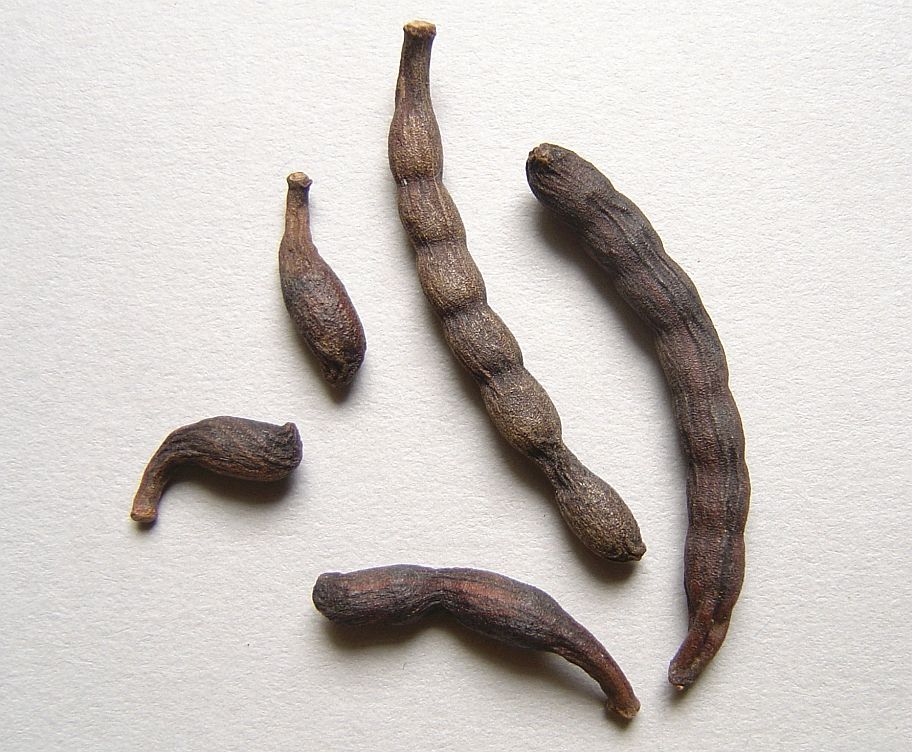

Names and identity
Common English names include grains of Selim, African pepper, Guinea pepper, kili pepper and Senegal pepper. Older or regionally used names such as "Negro pepper" are now considered outdated or offensive and are best avoided. For botanical and culinary clarity it is important to distinguish Xylopia aethiopica from other West African spices with similar names: grains of paradise (Aframomum melegueta) and Piper guineense (West African black pepper) are different plants with different flavor profiles.
Flavor, form and preparation
The seeds and their enclosing pods have a musky, resinous aroma with smoky and peppery notes. They can be used whole to perfume broths and stews or toasted and crushed to release more volatile oils. Typical preparations include bruising the pods and simmering them in soups or removing seeds and grinding them to a coarse powder to season sauces, meats and grain dishes. Proper storage in a cool, dry place preserves aroma for many months.
Culinary and cultural uses
Across West African cuisines the spice flavors palm‑nut soups, pepper soups, fish and smoked meats, and is often included in traditional seasoning blends. It is valued not only for heat but for its complex, slightly bitter and resinous qualities that deepen rich stews. In some regions it has uses in folk medicine and ritual contexts.
History and trade
Grains of Selim have been harvested and traded regionally for centuries. The dried pods were taken to market whole, where they served as a local pepper substitute before global black pepper became widely available. Today they remain an important local spice and are increasingly encountered in specialty spice shops outside Africa.
Distinctions and further reading
- Do not confuse with grains of paradise (Aframomum melegueta), which belong to the ginger family and taste more citrusy and warm.
- Piper guineense (West African pepper) is a different species in the pepper family (Piperaceae) and has its own culinary role.
- For botanical details see Xylopia aethiopica overview, for regional culinary uses consult West African food sources, and for comparative spices see references on African peppers.
Related articles
Author
AlegsaOnline.com Grains of Selim: African spice from Xylopia aethiopica Leandro Alegsa
URL: https://en.alegsaonline.com/art/40107