
Barley (Hordeum vulgare): an overview of the cereal grain
Barley is an ancient cereal grain (Hordeum vulgare) grown for food, forage and malting. This article explains its botany, history, cultivation, processing, uses and key distinctions.
Overview
Barley is a cereal crop in the grass family and one of the earliest cultivated grains. The individual kernels are a type of seed or caryopsis often called a grain, and the species is commonly identified by its Latin name, Hordeum vulgare. Barley is grown as an annual plant and serves as a major staple food and source of nutrition for humans and other animals.
Image gallery
10 Images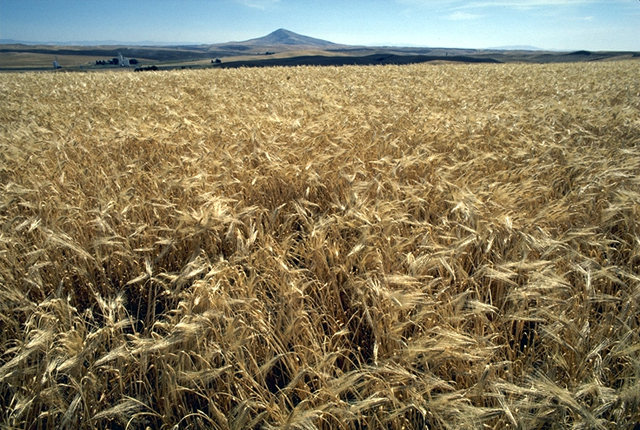




Botany and varieties
Botanically it belongs to the family of plants classified as cereals. Barley grain differs from some other cereals in shape and structure: the outer hull may cling to the kernel in hulled varieties or be removed more easily in hull-less types. Two common morphological classifications are two-row and six-row barley, and growers select either winter or spring varieties depending on climate and cropping system.
History and development
Domesticated several millennia ago in temperate regions, barley was among the first crops cultivated by early agricultural societies. It has been adapted through selection for different uses — from coarse food grains for porridge and bread to types suited for malting. Over time, breeding has improved yield stability, disease resistance and suitability for modern farm machinery.
Uses and processing
Barley has a wide range of food and industrial applications. It can be milled into flour, processed into pearled or hulled forms for soups and stews, or converted through malting into fermentable sugars used to make beer and distilled spirits. It is also a valuable component of animal feed and a source of straw for bedding and thatch.
- Common culinary uses: stews, porridge, barley water and breads.
- Industrial uses: malting for beverages and as a feed grain.
- Agricultural roles: cover crop, forage and straw production.
Nutrition and health
Barley is notable for soluble fiber, particularly beta-glucan, which contributes to a feeling of fullness and has been associated with improved blood lipid profiles. It contains gluten and therefore is not suitable for people with celiac disease. Different processing methods change its nutritional profile: whole hulled barley retains more fiber than pearled barley.
Cultivation and notable facts
Barley adapts to a range of temperate climates and is often grown in rotation with other cereals. It requires less heat than some grains and can be sown in autumn (winter barley) or spring. Distinct from wheat in kernel form and typical uses, barley remains one of the most versatile small-grain crops. For further reading on cultivation practices and regional statistics, consult specialized agronomy guides and research portals such as cereal crop resources.
For introductions and broader context on barley varieties and uses, see resources on grain science and agricultural history available through botanical and food science collections: staple crop summaries, human nutrition guides and livestock feed references at animal production sources. Research on malting and brewing practices is collected in brewing science literature and industry handbooks (milling, malting, planting and harvest).
Related articles
Author
AlegsaOnline.com Barley (Hordeum vulgare): an overview of the cereal grain Leandro Alegsa
URL: https://en.alegsaonline.com/art/9017
Sources
- itis.gov : "Hordeum vulgare"
- theplantlist.org : The Plant List: A Working List of All Plant Species
- faostat.fao.org : "Statistic by the FAO in 2007"
- commons.wikimedia.org : Barley
- wikidata.org : Q11577
- species.wikimedia.org : Hordeum vulgare
- florida.plantatlas.usf.edu : 1731
- floraofalabama.org : 4844
- ville-ge.ch : 52196
- id.biodiversity.org.au : 69043
- biolib.cz : 42551
- calflora.org : 8683
- ecocrop.fao.org : 1232
- eol.org : 1114455
- gd.eppo.int : HORVX