
Millet: Small-grain cereals — types, nutrition, uses and importance
Millet refers to several small-seeded cereal grains grown worldwide. Resilient and gluten-free, millets are nutrient-dense staples with varied uses, but they also contain antinutrients that affect digestibility unless processed.
Millet is a collective name for several small-seeded cereal crops in the grass family that are grown for food and feed. It does not refer to a single species but to a group of grains—each with distinct appearance, flavour and cultural uses. For a general introduction see Millet overview.
Image gallery
10 Images


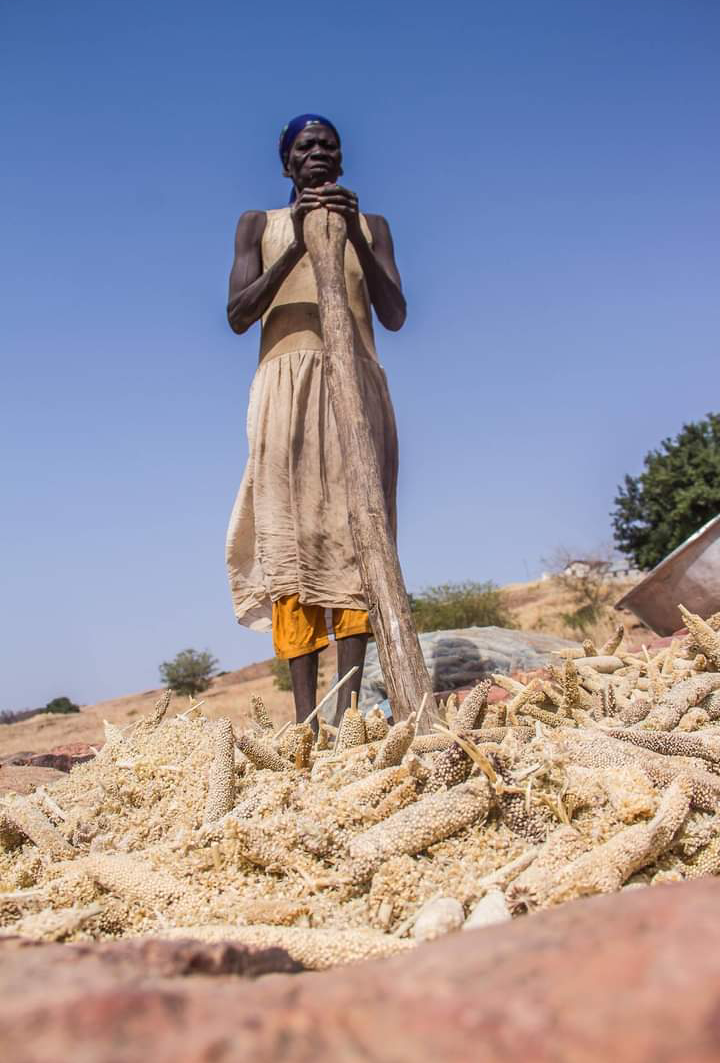


Common types
- Pearl millet — widely grown in Africa and India for grain and fodder.
- Foxtail millet — an ancient Asian cereal used for porridges and flatbreads.
- Proso (white) millet — used for human food and birdseed.
- Finger millet — valued for its storage longevity and traditional foods.
- Teff and fonio — small grains important in parts of Africa.
As a group, millets are characterised by very small kernels, a relatively neutral flavour, and a quick growing season. They are naturally gluten-free and can be milled into flour, cooked as whole grain, or processed into fermented foods and beverages.
History and cultivation
Millets have been cultivated independently in several regions since prehistoric times. They are adapted to a wide range of soils and climates and are especially important where rainfall is variable. Many millets mature quickly and tolerate heat and drought better than major cereals such as wheat or rice, which makes them valuable in marginal farming areas and for climate-resilient agriculture.
Nutrition and digestibility
Millets are nutritious: whole grain millets provide dietary fibre, plant protein, and a range of B vitamins and minerals such as iron, magnesium and phosphorus. They are a good option for people needing gluten-free alternatives. At the same time, some millets contain antinutritional factors—like phytates and tannins—that can reduce mineral bioavailability and make certain nutrients less digestible. Appropriate processing (soaking, fermentation, germination or cooking) improves nutrient availability and reduces these compounds. See research on millet nutrition here and on digestibility concerns here.
Uses and processing
Millets are eaten as porridges, steamed or boiled whole grains, flatbreads, fermented products and beers. They also serve as animal feed and birdseed. Traditional processing methods—such as decortication, milling, fermentation and malting—alter texture, flavour and digestibility, and are important for making millet-based foods acceptable to modern consumers.
Today, millets are receiving renewed attention for their role in food security, sustainable cropping systems and as an ingredient in health-conscious diets. Breeding and agronomic improvements aim to increase yields, reduce antinutrients, and expand culinary uses while preserving the crops' resilience and genetic diversity.
Related articles
Author
AlegsaOnline.com Millet: Small-grain cereals — types, nutrition, uses and importance Leandro Alegsa
URL: https://en.alegsaonline.com/art/65042
Sources
- fao.org : fao.org/4/T0818E/T0818E00.htm