
Grass: definition, biology, uses, and distinctions
An accessible overview of grasses (Poaceae and similar plants): their form, classification, ecology, uses, and how they differ from sedges, rushes and other grass-like plants.
Grasses are a widespread group of narrow-leaved, usually herbaceous plants that characteristically grow from basal or low meristems. The term is often used for members of the grass family, Poaceae, but in everyday speech it may also include grass-like plants such as sedges and rushes. Most grasses produce long, linear leaves and a jointed stem architecture that suits frequent grazing and cutting; they typically regenerate from tissue close to the ground rather than from a single apical bud.
Image gallery
5 Images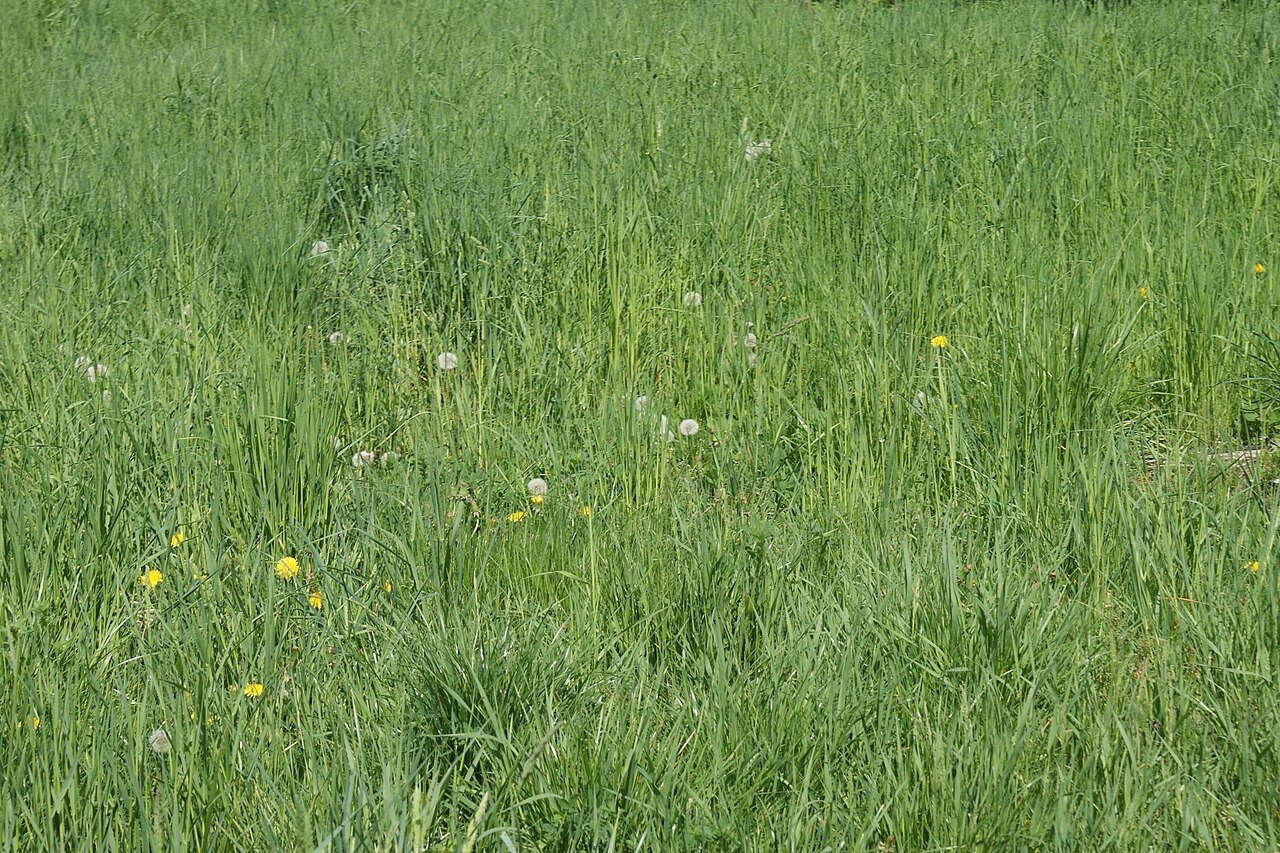


Botanical characteristics and classification
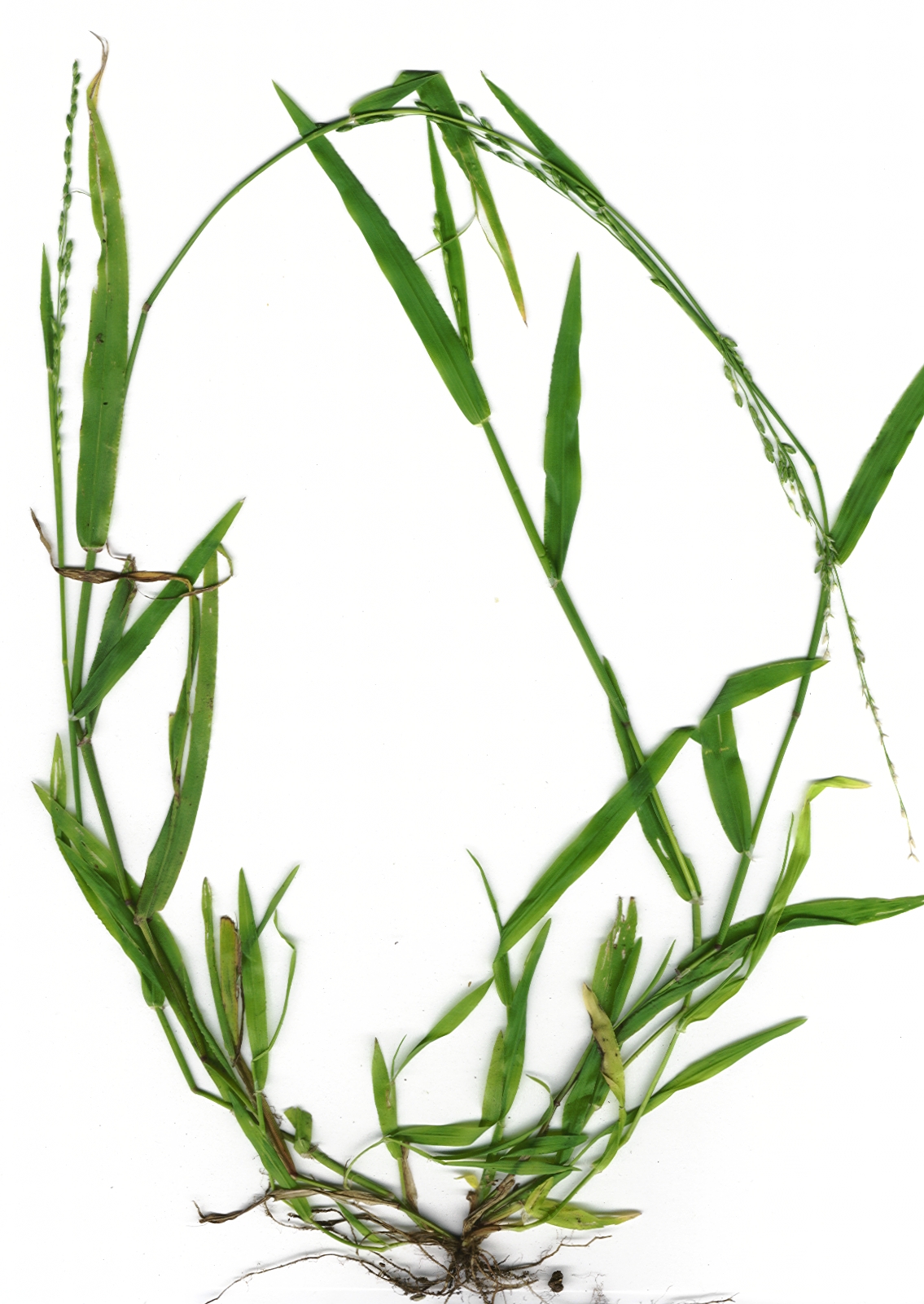
True grasses belong to the family Poaceae, a large group of monocotyledons. Their flowers are small and clustered into spikelets, which are the basic unit of the grass inflorescence. Many grasses spread by seeds, but others extend by stolons and rhizomes, forming dense mats or clonal stands. From a physiological point of view, grasses include species with different photosynthetic pathways (notably C3 and C4), an adaptation that influences where particular grasses thrive.
Ecology and evolution
Grasses are dominant in many ecosystems, from temperate lawns and meadows to tropical savannas and high-elevation steppes. They tolerate grazing, trampling, fire and a wide range of soils, which has allowed grass-dominated biomes—grasslands and prairies—to spread across large portions of the Earth's land surface. Grasses evolved traits that favor resilience under disturbance: basal meristems, rapid regrowth, and often wind-pollinated flowers. Although the Poaceae are a single botanical family, several unrelated families (for example sedges and rushes) have evolved a similar appearance as a convergent response to open, disturbed habitats.
Human uses and importance
Grasses are among the most important plants for people. Cultivated cereals provide staple calories worldwide, and many grass species are used for fodder, thatching and construction. Bamboo, a group of large grasses, supplies timber-like materials for buildings and crafts. Other grass-derived products include paper, fiber for clothing, and fermentable starches for alcoholic drinks. Grasses also shape human landscapes as turf in parks and sports fields, and as pasture that supports livestock.
- Food and drink: cereals, grain and sprouted grain used for human diets and beverages.
- Materials: bamboo, thatch, paper, basket weaving and building materials.
- Ecological services: soil stabilization, carbon storage and habitat for grazers.
Management of grasslands and lawns ranges from low-input grazing systems to intensive mowing and irrigation. Proper grass cover reduces erosion by binding soil with roots and moderating runoff. Conversely, invasive grass species or poor management can degrade native habitats and increase wildfire risk.
Distinctions, common look-alikes and related topics
Several plants resemble true grasses but belong to other families; sedges and rushes are notable examples and are adapted to particular environments such as wetlands. Aquatic plants sometimes called seagrasses are unrelated to Poaceae but play equivalent ecological roles in marine settings. For readers who want to follow specific aspects of grass biology, ecology or human use, the list below points to common topics and examples.
- Lawns and turf
- Leaf color and pigments
- Monocotyledons (monocots)
- Herbaceous growth forms
- Plant structure
- Poaceae (the grass family)
- Sedges (Cyperaceae)
- Rushes (Juncaceae)
- Taxonomic orders
- Poales
- Convergent life-styles
- Important cereals
- Bamboo and large grasses
- Grassland ecosystems
- Grasses as food
- Grain and cereals
- Sprouted grain
- Edible shoots
- Beer and fermentation
- Whisky and grain spirits
- Pasture management
- Livestock grazing
- Thatching materials
- Paper from plant fibres
- Grasses as fuel
- Textile fibers from plants
- Construction uses
- Basket-making
- Weaving techniques
- Reeds and reedbeds
- Papyrus and ancient uses
- Water chestnut and aquatic plants
- Seagrass ecosystems
- Animals that eat grasses (deer)
- Cattle and domesticated grazers
- Invertebrate herbivores (grasshoppers)
- Caterpillars and insect interactions
- Grazing animals in ecosystems
- Soil erosion and erosion control
This summary provides a starting point for understanding grasses in both scientific and practical contexts. For specific guidance on lawn care, pasture management, conservation or using grasses as materials, consult specialized sources and local experts because species, climate and soil strongly influence which practices are appropriate.
Questions and answers
Q: What is grass?
A: Grass is a plant with narrow leaves growing from the base. It is usually green in color and belongs to the family Poaceae.
Q: What are some common uses of grass?
A: Common uses for grass include food, drink, pasture for livestock, thatching thatch, paper, fuel, clothing, insulation, construction, sports turf and basket weaving.
Q: How tall can some types of grass grow?
A: Some types of grass can grow very tall; for example bamboo can reach great heights.
Q: Where do plants from the grass family typically grow?
A: Plants from the grass family can grow in many places and make up grasslands even if they are very cold or dry.
Q: Are there other plants that look similar to members of the grass family but aren't actually part of it?
A: Yes, there are other plants such as rushes, reeds papyrus and water chestnut which look similar to members of the grass family but aren't actually part of it.
Q: What order does seagrass belong to?
A: Seagrass belongs to the order Alismatales.
Q: Why is it important for animals to eat grass?
A: Eating grass is important for animals because without it earth may wash away into rivers (erosion). Additionally eating from the bottom allows them to graze without destroying what grows so they have a continuous supply of food available.
Related articles
Author
AlegsaOnline.com Grass: definition, biology, uses, and distinctions Leandro Alegsa
URL: https://en.alegsaonline.com/art/40370