
Cereal: grains, breakfast foods, and agricultural crops
Cereal denotes edible grains from certain grasses and the processed foods made from them; covers types, cultivation, processing, nutrition, uses and regional naming differences.
Overview
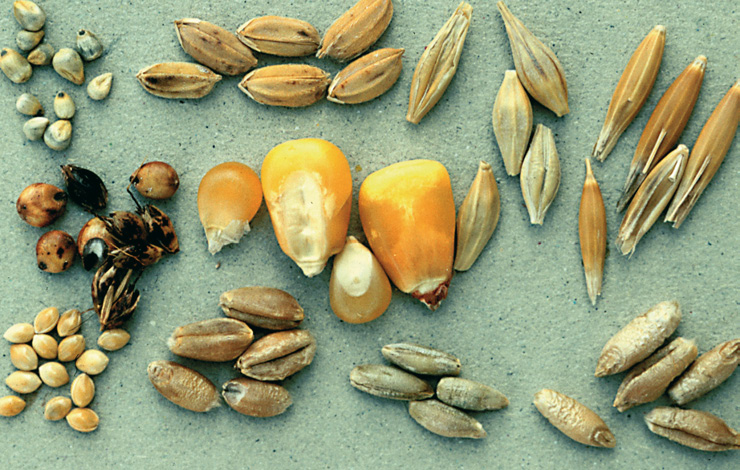
The word cereal most commonly denotes the edible seeds of grasses grown for food and other uses. Botanically these are grasses (grass) and their harvested seeds are called grains. Major cereal species include wheat, maize (often called corn in some countries), rice, oats, barley, rye and sorghum. Cereals supply a large share of dietary energy for many populations and are processed into flours, porridges, breads, pastas, and ready-to-eat breakfast products.
Image gallery
10 Images




Characteristics and principal types
Cereal plants produce small, dry, single-seeded fruits that are high in starch. Different cereals are suited to distinct climates and soils: rice in wetter areas, wheat and barley in temperate zones, maize adaptable across a wide range, and sorghum or millets often grown in drier regions. Each species has many varieties developed for yield, disease resistance and quality.
- Wheat — a primary source of flour and staple foods (wheat).
- Rice — staple in large parts of Asia and elsewhere.
- Maize — used for human food, animal feed and industrial products (maize).
- Oats, barley, rye, sorghum — used for porridges, malting, feed and specialty foods.
History and domestication
Cereals were among the first plants domesticated by humans and underpinned the transition from foraging to farming. Early cultivation and selection for favourable traits occurred independently in several world regions. Over millennia, human selection and later scientific breeding increased yield, adaptation and quality.
Cultivation, harvest and storage
Modern cereal production involves land preparation, sowing, crop care and mechanical harvest when kernels are dry. After harvest, grains are cleaned and dried for storage; proper storage discourages pests and spoilage. Some cereals are grown primarily as animal feed, while others are destined for milling or industrial processing.
Processing and breakfast cereals
Processing ranges from simple milling to produce flour to elaborate industrial methods that make flaked, puffed or extruded breakfast cereals. "Breakfast cereal" refers to ready-to-eat or quick-to-prepare grain products commonly eaten with milk or alternatives and sometimes sweetened or combined with fruit and nuts (breakfast).
Nutrition and health
Whole grains provide fiber, B vitamins, minerals and phytonutrients; refining often removes bran and germ, reducing some nutrients. Dietary advice in many countries encourages consuming whole grains as part of a balanced diet. Some cereals, notably wheat, contain gluten and can cause adverse reactions in susceptible individuals.
Uses, economy and environment
Cereals are central to food security, commodity markets and rural livelihoods. They also supply raw materials for brewing, sweeteners and bio-based products. Contemporary issues include sustainable intensification, soil health, water use, greenhouse gas emissions and balancing production for food versus feed. Policy and research aim to improve resilience and reduce environmental impact.
Names and regional language notes
Terminology varies by region. In parts of the British Isles the word "corn" historically meant the dominant grain of a locality (UK, Ireland), while in North America and Australasia "corn" typically refers to maize (US, Canada, Australia, New Zealand). The term also appears in cultural contexts: the English name "cereal" derives from the Roman goddess Ceres, associated with agriculture and harvest.
Further reading and resources
For practical guidance on cultivation, processing and nutrition consult agricultural extension services, public health guidance and dedicated crop information from trusted sources. Regional authorities and commodity organisations provide technical details, variety lists and market information for each cereal.
Questions and answers
Q: What is cereal and how is it grown?
A: Cereal is a type of grass that is grown to be eaten. It is usually grown on farms and harvested when fully matured.
Q: What are some uses of cereal?
A: Some cereal types are mostly used to feed people while others are fed to cattle. They are also used for other purposes.
Q: What is breakfast cereal?
A: Breakfast cereal is a type of cereal that is made of grain and usually eaten with milk in the United States. It is a common breakfast meal.
Q: How is breakfast cereal usually sweetened?
A: Breakfast cereal is often sweetened with sugar, syrup, or fruit.
Q: What is the origin of the word "cereal"?
A: The word "cereal" comes from 'Ceres', the name of the Roman goddess of harvest and agriculture.
Q: What do grains mean in the United Kingdom and Ireland?
A: Grains are called corn in the United Kingdom and Ireland.
Q: What is the meaning of corn in the United States, Canada, Australia, and New Zealand?
A: Corn means maize in the United States, Canada, Australia, and New Zealand.
Related articles
Author
AlegsaOnline.com Cereal: grains, breakfast foods, and agricultural crops Leandro Alegsa
URL: https://en.alegsaonline.com/art/18167
Sources
- britannica.com : "breakfast cereal -- Britannica Online Encyclopedia"
- fitnessandfreebies.com : "The History of Cereal"