
Malt: Sprouted Cereal Grain Used in Brewing, Distilling and Food
Malt is a cereal grain that has been sprouted and dried to convert starches into sugars. It provides fermentable sugars, enzymes and flavors used in beer, whisky, baking and other foods.
Overview
Malt is a cereal product made by controlled germination and drying of grains. Most commonly it is produced from barley, but other cereals are used as well. The malting process encourages the grain to begin sprouting, transforming stored starch into simpler sugars and activating enzymes that are valuable in food and beverage production. Cereal and grain are terms often used when discussing malt and its raw ingredients.
Image gallery
9 Images



How malting works
Malting begins with steeping the grain in water until it takes up moisture and germination starts. The now sprouted kernels develop enzymes that break down complex starch into simpler sugars. After a period of modification, the green malt is dried or kilned to halt growth while preserving enzymatic activity; drying temperature and time determine color, aroma and residual enzyme levels.
Kinds of malt and flavor
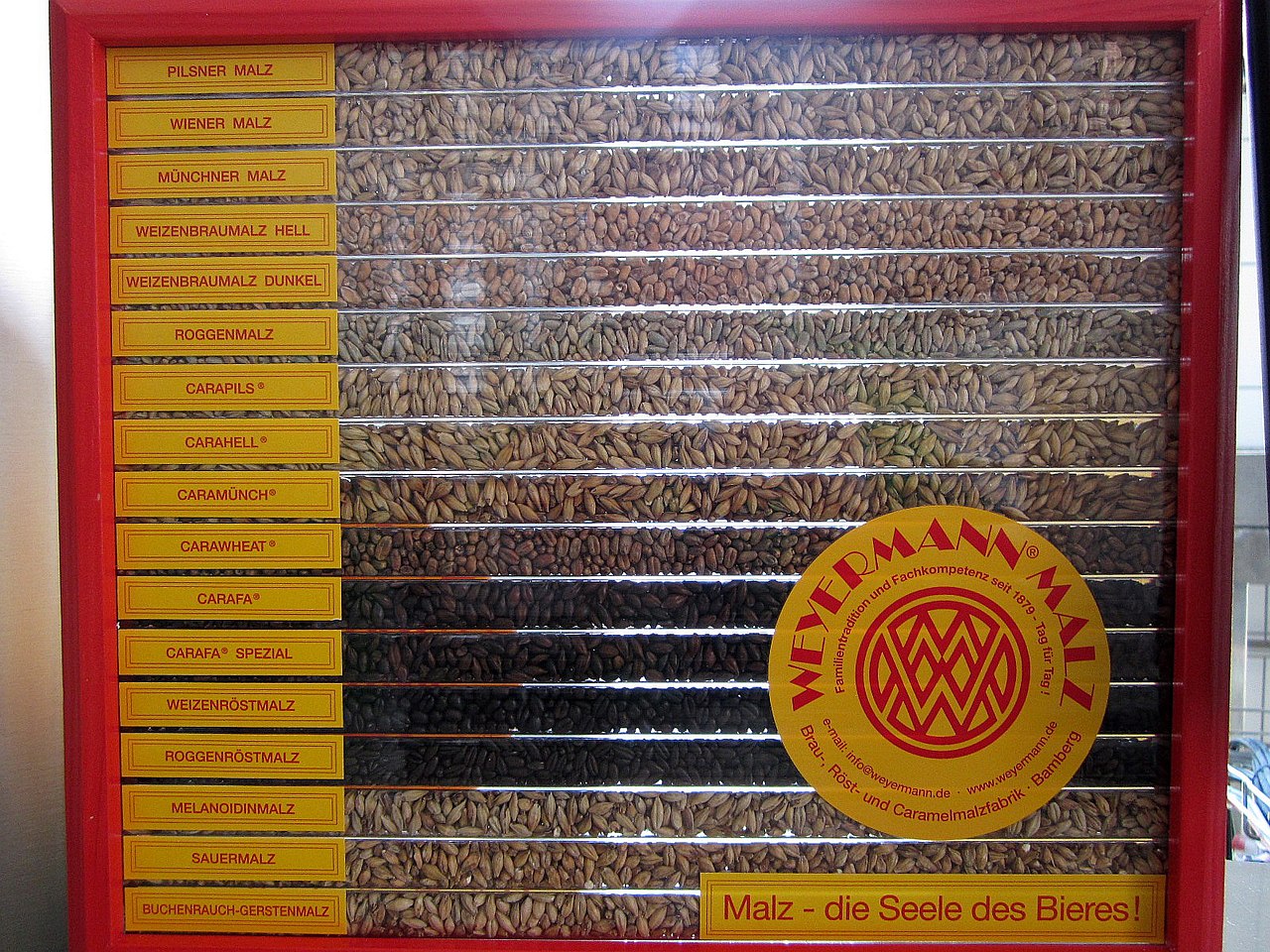
Kilning at low temperatures produces pale malts with high enzymatic power, suitable as base malts. Higher temperatures or additional roasting create caramel, amber or chocolate malts with darker color and richer flavors. If drying involves smoke or peat, the malt can acquire a pronounced smoky character prized in some whiskey and specialty beers.
Uses and applications
Malt supplies fermentable sugars and enzymes for fermentation, making it essential to beer and distilled spirits. In brewing, malted grain is mashed to extract sugars that yeast convert into alcohol and carbon dioxide; malt is also central to beer and whisky flavor, body and color. Beyond alcoholic beverages, malt appears in baking, confectionery, malted milk drinks and malt extracts used as sweeteners or flavorings.
Production and historical notes
Malting is an ancient technique with roots in early civilizations that brewed grain-based beverages. Modern malting ranges from traditional floor malting to industrial steeping and drum kilns that allow tight control of moisture and temperature. Although barley remains dominant, wheat, rye, oats and sorghum are important where local crops or styles call for them.
Important distinctions
- Base malts provide most of the enzymes and fermentable sugars.
- Specialty malts contribute color, sweetness or roasted and smoky flavors.
- Diastatic power refers to a malt's enzymatic ability to convert starches.
- Malt choice strongly influences the final product's taste, color and fermentability.
Malt remains a versatile ingredient whose controlled conversion of grain starches into sugars underpins many traditional and modern foods and beverages.
Related articles
Author
AlegsaOnline.com Malt: Sprouted Cereal Grain Used in Brewing, Distilling and Food Leandro Alegsa
URL: https://en.alegsaonline.com/art/61070