
Grill (cooking): types, techniques, history and safety
Comprehensive overview of cooking grills: fuels and designs, common methods (direct, indirect, smoking), cultural uses and events, health and maintenance considerations, and distinctions from barbecues and smokers.
Overview
A grill is a cooking device that exposes food to direct heat, producing char, sear marks and a roasted flavor. Grilling is defined by cooking over an open flame or hot surface rather than long, low-temperature braising. Grills are used indoors and outdoors; designs range from simple grate-over-coals models to sophisticated gas or electric appliances found in homes and professional kitchens.
Image gallery
10 Images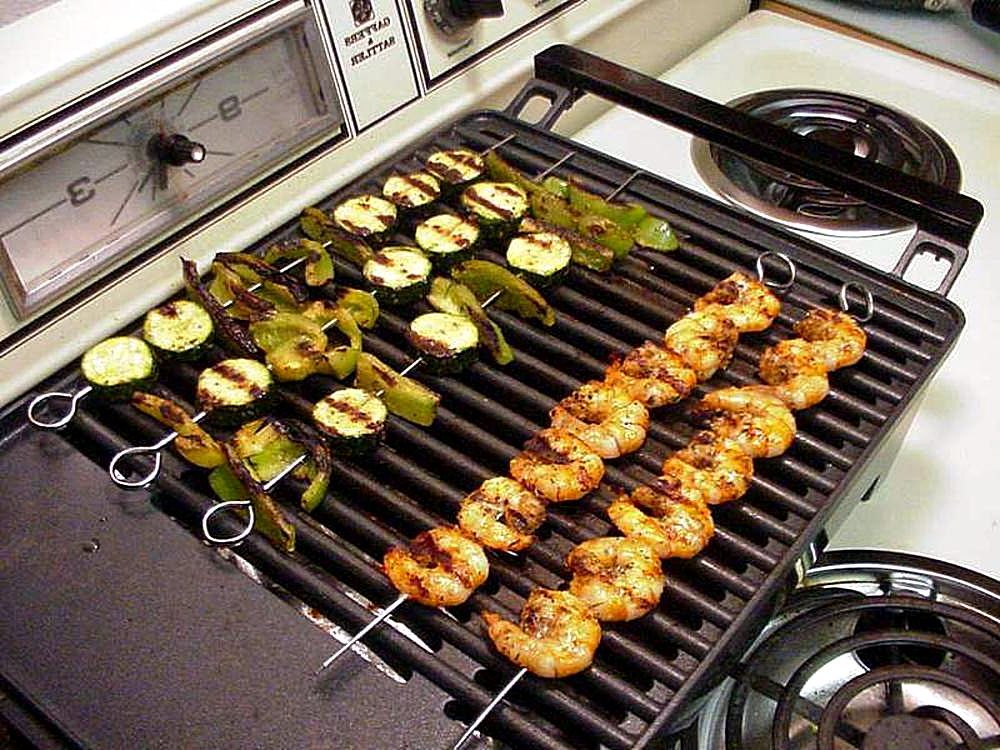


Fuels and common types
Different fuels change flavor and handling. Solid fuels such as charcoal and wood generate smoke, which can impart a smoky aroma prized by many cooks. Gaseous fuels such as propane or other gas types offer rapid heat control and convenience. Other systems include electric and pellet grills. A barbecue often refers to outdoor cooking equipment that provides heat from beneath the food and can overlap with what people call a grill; some older or industrial models burn coke (coke).
Design elements and cooking methods
Common parts of a grill include grates, a fuel source or burners, a lid, and vents or controls. Cooks choose between direct grilling—food placed over high heat for searing—and indirect grilling—food placed away from the main heat for gentler cooking. Additional techniques include smoking (low-and-slow exposure to smoke), rotisserie (slow rotation), and using a two-zone setup to finish food without burning it.
Uses, foods and cultural role
Grilling is popular for quick-cooked items like steak, burgers and hot dogs, and for vegetables, fish and poultry. In many countries grilling is linked to social gatherings and seasonal events—particularly in the United States during summer holidays and backyard parties. Competitive grilling and community cook-offs are organized in some regions, highlighting techniques and regional styles.
Health, safety and maintenance
Open flames can cause flare-ups and charring; charred residues and certain combustion byproducts have been discussed as potential carcinogen concerns, so many authorities recommend mitigating practices such as trimming fat, avoiding prolonged high-temperature charring, and using marinades. Routine maintenance includes cleaning grates, emptying ash, inspecting gas connections, and protecting equipment from weather.
Distinctions and final notes
Although terms overlap—grill, barbecue and smoker often describe related devices—grills emphasize direct high heat, barbecues often denote outdoor units or events, and smokers focus on prolonged low-heat cooking with smoke. Choosing a grill depends on flavor preferences, convenience, space and safety needs; understanding the fuel and method helps cooks achieve desired results while minimizing risks.
- Types: charcoal, wood, gas, electric, pellet
- Methods: direct sear, indirect roasting, smoking, rotisserie
- Safety: manage flare-ups, clean regularly, follow local fuel and fire codes
Related articles
Author
AlegsaOnline.com Grill (cooking): types, techniques, history and safety Leandro Alegsa
URL: https://en.alegsaonline.com/art/40926