
Rosids
Rosids are a major clade of eudicot flowering plants, containing about 70,000 species in roughly 17 orders and 140 families; they arose in the Cretaceous and include many crops and trees.
Overview
The rosids are one of the largest clades of flowering plants. They encompass roughly 70,000 species — more than a quarter of all angiosperms — and display a wide range of growth forms, from herbaceous annuals to large trees and shrubs. Within the higher-level classification of flowering plants the rosids sit inside the eudicots and, together with the asterids, represent two of the most species-rich branches.
Image gallery
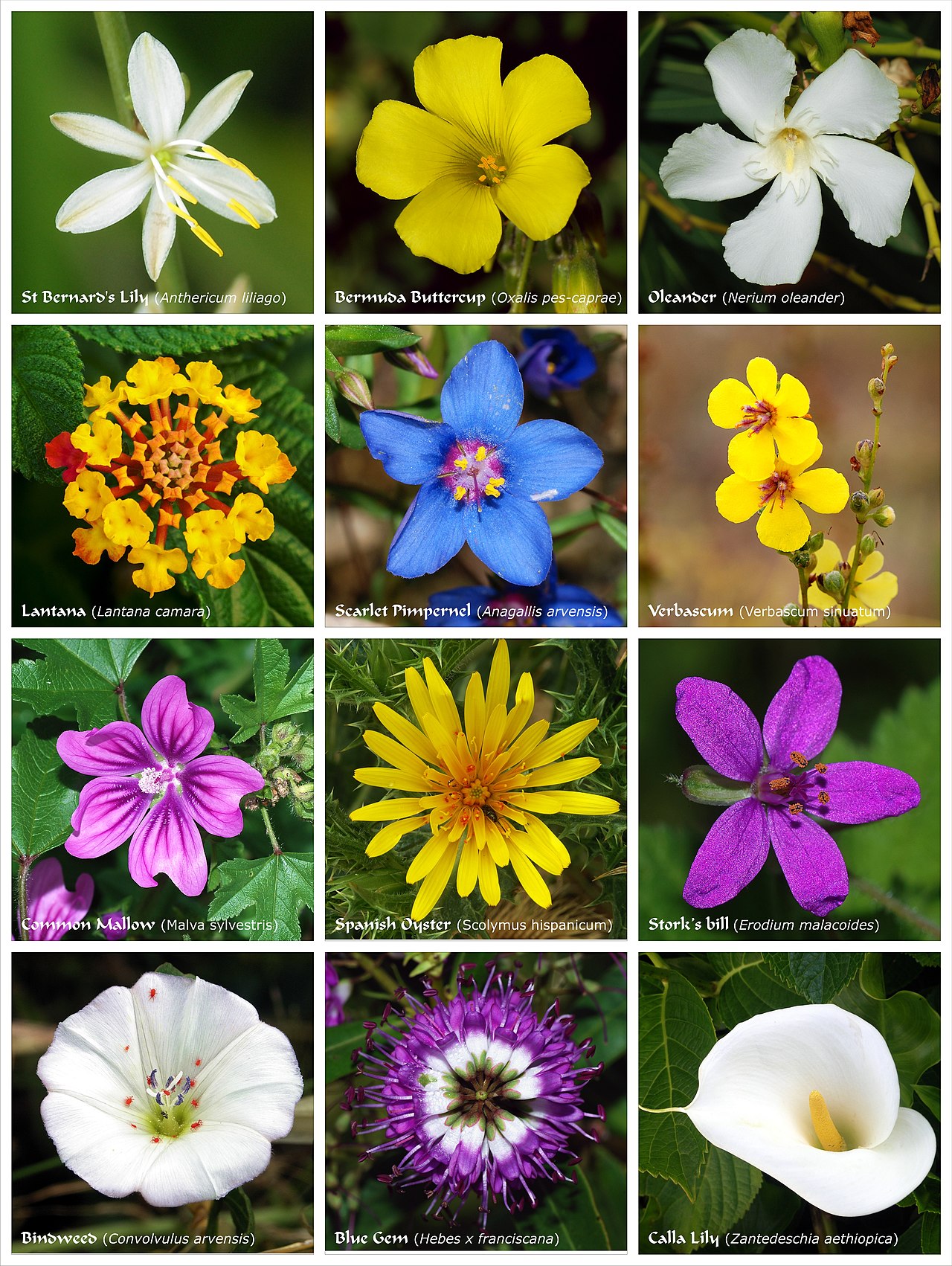
3 Images

Characteristics
Rosids are not defined by a single obvious visible trait shared by all members; instead the group is delimited by combinations of floral, anatomical and molecular characteristics. Typical features that occur frequently include bisexual flowers with separate petals and stamens, often compound or pinnate leaves, and a tendency toward radial or bilateral floral symmetry depending on lineage. Many rosids form ecological relationships important to ecosystems and people — for example, numerous family members host insect pollinators or, in the case of legumes, engage in nitrogen-fixing associations with soil bacteria.
Classification and diversity
Modern classifications divide the rosids into about 17 orders and roughly 140 families. These orders contain well-known families that include economically and ecologically important plants. Major groups within the rosids are often informally separated into two broad assemblages (historically called fabids or eurosids I and malvids or eurosids II), although authors vary in exact boundaries.
- Examples of widespread rosid orders: Fabales (legumes), Rosales (roses and relatives), Brassicales (mustards and cabbages), Malvales (mallows), Sapindales (citrus and maples), Myrtales (myrtles).
- Some large families in the rosids: Fabaceae, Rosaceae, Brassicaceae, Myrtaceae.
Taxonomists sometimes disagree about the exact circumscription of the rosids. For instance, the placement of the order Saxifragales has been treated differently by different authors; some include it within the rosids while others exclude it (Saxifragales debate).
Evolution and fossil record
Fossil remains that can be attributed to rosid-like plants appear in sediments from the Cretaceous. Molecular-clock studies give an origin for the group in the mid-Cretaceous (estimates often place it in the Aptian–Albian interval, roughly between 125 and 99.6 million years ago), a time that coincides with the early diversification of many other major angiosperm lineages and with substantial changes to terrestrial ecosystems during the Cretaceous (fossil and molecular evidence). After their origin the rosids diversified into many ecological roles, contributing significantly to the floras of temperate and tropical regions.
Economic and ecological importance
Rosids include a large share of crop plants, timber trees, ornamentals and species important to natural ecosystems. Legumes (Fabaceae) provide staple foods and forage; brassicas (Brassicaceae) include vegetables such as cabbages and mustards; many fruit trees and ornamentals belong to rosid families. In natural communities rosids can dominate certain forest types, regulate nutrient cycles through symbioses, and provide habitat and food for insects and vertebrates.
Notable distinctions
Readers should note that "rosids" is a clade name used in phylogenetic classification rather than a rank such as family or order; its content reflects current phylogenetic hypotheses and may be revised as new data appear. For further summaries and treatment in synoptic plant classifications see overview resources and specialist botanical literature (flowering plant resources, order-level summaries, family listings, comparisons with asterids, placement within eudicots, fossil evidence, Saxifragales discussion).
Questions and answers
Q: What are rosids?
A: Rosids are a large clade of flowering plants, which includes about 70,000 species, more than a quarter of all angiosperms.
Q: How many orders are the rosids divided into?
A: The rosids are divided into 17 orders.
Q: How many families do these orders make up?
A: These orders together make up about 140 families.
Q: What is the relationship between rosids and asterids?
A: Rosids and the asterids are by far the largest clades in the eudicots.
Q: When did the rosids originate?
A: Molecular clock estimates indicate that the rosids originated in the Aptian or Albian stages of the Cretaceous, between 125 and 99.6 million years ago (mya).
Q: Are there any known fossil rosids?
A: Yes, fossil rosids are known from the Cretaceous period.
Q: Are there different definitions of the rosids?
A: Yes, three different definitions of the rosids are in use. Some authors include the order Saxifragales in the rosids, while others exclude it.
Related articles
Author
AlegsaOnline.com Rosids Leandro Alegsa
URL: https://en.alegsaonline.com/art/84194
Sources
- pnas.org : pnas.org/content/106/10/3853
- jstor.org : jstor.org/stable/3647306?origin=crossref&seq=1