
Magnoliids: an early-diverging group of flowering plants
Magnoliids are a clade of flowering plants including magnolias, laurels, pepper and cinnamon. They retain ancestral floral traits, include ~9,000 species, and supply many spices, foods and culturally important plants.
The magnoliids are a distinct lineage of angiosperms that diverged early in the evolutionary history of flowering plants. They are often recognized by a combination of morphological traits that some botanists describe as relatively "ancestral" or primitive compared with large groups like the eudicots and monocots. In broad terms, magnoliids bridge a gap in our understanding of how early flowers and related structures evolved within flowering plants.
Image gallery
6 Images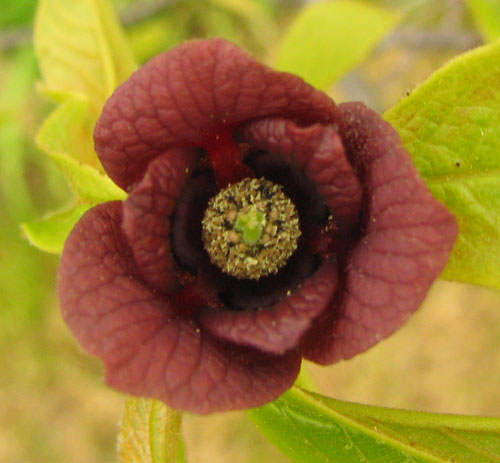


Key characteristics
Plants in this group typically have flowers organized in threes (or multiples of three), leaves with branching veins rather than the parallel veins of many monocots, and pollen grains that are usually monosulcate (bearing a single aperture). These features, together with woody or herbaceous habits in different lineages, give magnoliids a recognizable but diverse appearance. Some anatomical and reproductive features show affinities with hypothesized early angiosperm forms and are therefore of interest in evolutionary studies. See also common examples such as magnolias and spice-bearing trees.
Diversity and classification
Modern classifications based on molecular data treat the magnoliids as a coherent clade that includes four or five principal orders, among them Magnoliales, Laurales, Piperales and Canellales. Altogether the group comprises roughly 9,000 species, mostly concentrated in tropical and subtropical regions but with representatives in temperate zones. Representative members include well-known genera and species such as magnolias, the spice tree nutmeg, bay laurel and the bark spice cinnamon.
Uses, economy and cultural importance
Magnoliids contribute significantly to human economies and cuisines. Edible and commercially valuable products from this group include the fruit avocado, the spice black pepper, aromatic barks and leaves used as condiments, and hardwoods for timber. Certain species produce biologically active compounds: for example, the seed of nutmeg contains myristicin, historically noted for psychoactive properties, and the genus Piper supplies kava, a traditional beverage of Polynesian cultures. Such effects are commonly described as psychotropic in pharmacological contexts.
Ecology, defense and notable facts
Many magnoliids produce volatile oils, alkaloids or other secondary metabolites that deter herbivores and pathogens; these defensive chemicals help explain both the abundance of culinary spices and instances of toxicity or psychoactivity in the same group. From an ecological and evolutionary perspective, the magnoliids are important for studies of floral evolution because characters such as flower structure and the nature of pollen provide clues to early angiosperm diversification. Chemical defenses that reduce herbivory are widespread in the clade and also underpin many of the human uses listed above.
- Selected economically important magnoliids: avocado, black pepper, cinnamon, nutmeg, bay laurel, and roots/chemistry used in kava.
- Scientific interest: morphology of flowers and pollen, fossil record, and phylogenetic placement among early-diverging angiosperms.
- Cultural notes: some species produce myristicin or other active compounds; traditional practices often balance culinary and ritual uses.
Because magnoliids sit near the base of the angiosperm tree, continuing research—combining molecular phylogenetics, comparative morphology and paleobotany—refines how botanists define the group and understand its role in the evolution of modern flowering plants.
Related articles
Author
AlegsaOnline.com Magnoliids: an early-diverging group of flowering plants Leandro Alegsa
URL: https://en.alegsaonline.com/art/60664