
Cabbage: biology, varieties, culinary uses and cultural importance
Cabbage (Brassica oleracea Capitata Group) is a leafy cruciferous vegetable grown worldwide. Covers its botany, varieties, cultivation, culinary uses, fermentation, nutrition and notable facts.
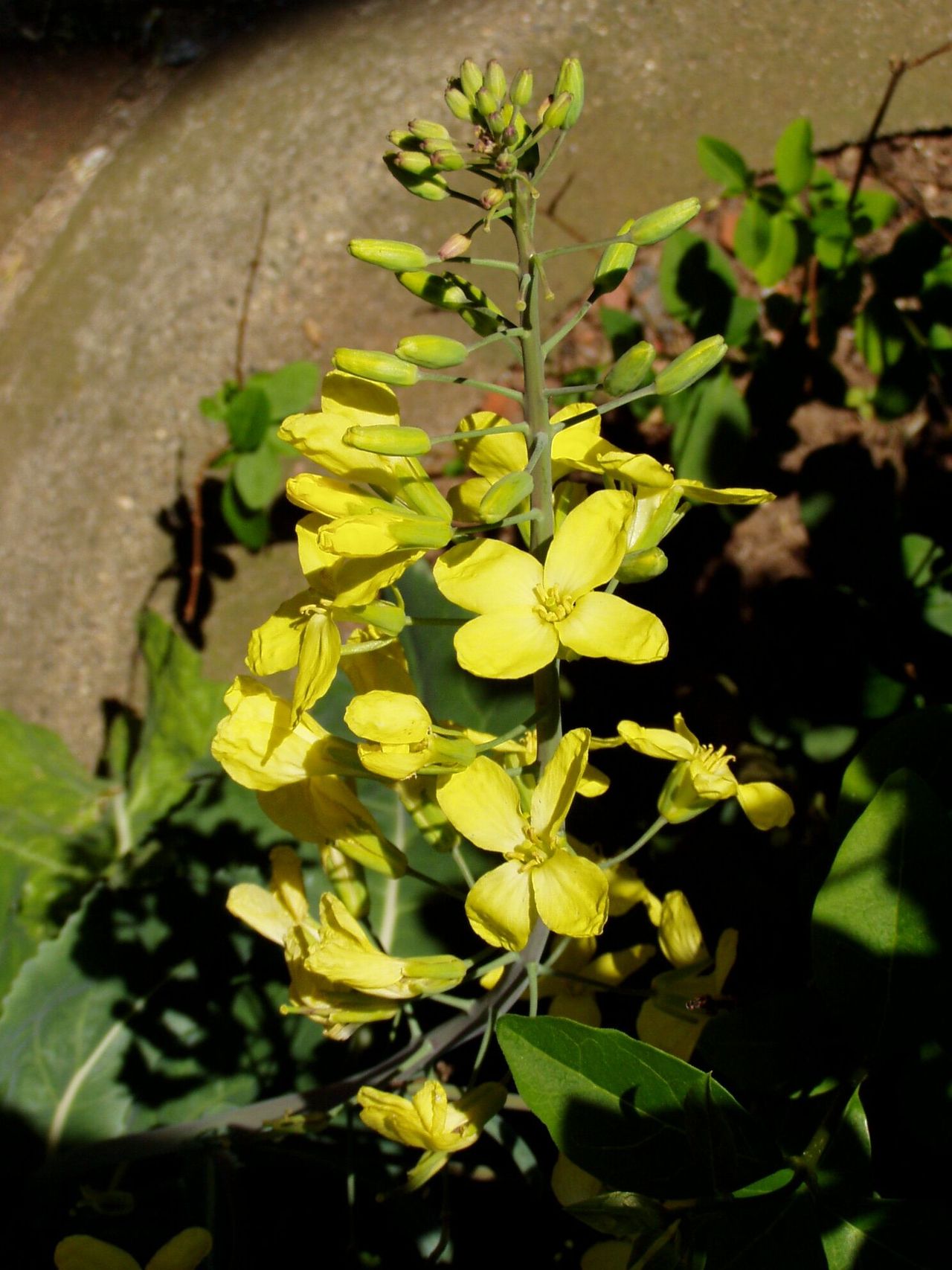
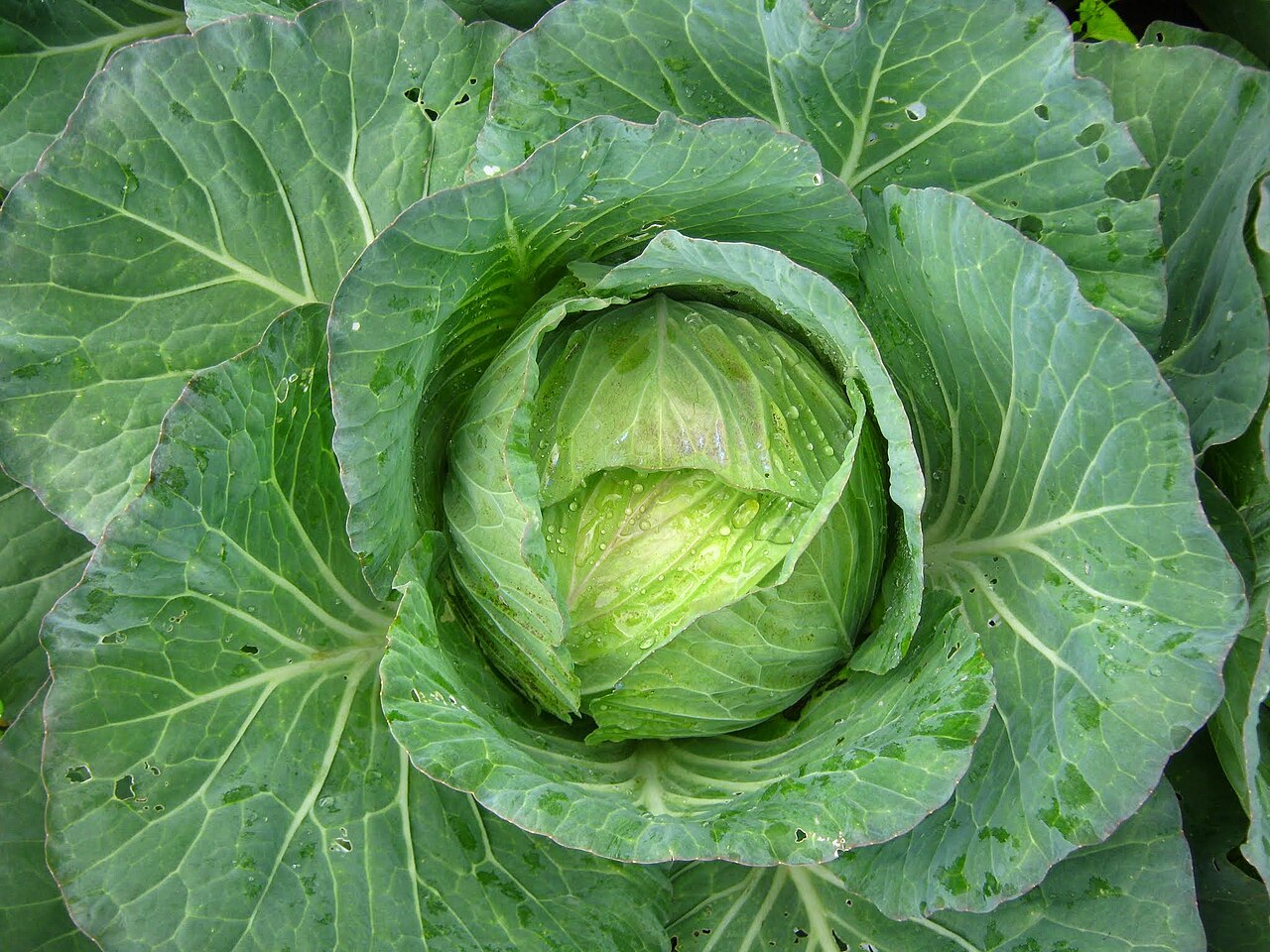
Cabbage is a leafy vegetable in the species Brassica oleracea (Capitata Group). It is an edible plant whose dense, layered heads arise from a rosette of leaves that wrap tightly into a round or conical form. Cabbage belongs to the same botanical family as broccoli, cauliflower and Brussels sprouts and shares many growth and taste characteristics with those vegetables; see also broccoli, cauliflower and Brussels sprouts.
Image gallery
10 Images



Characteristics and common varieties
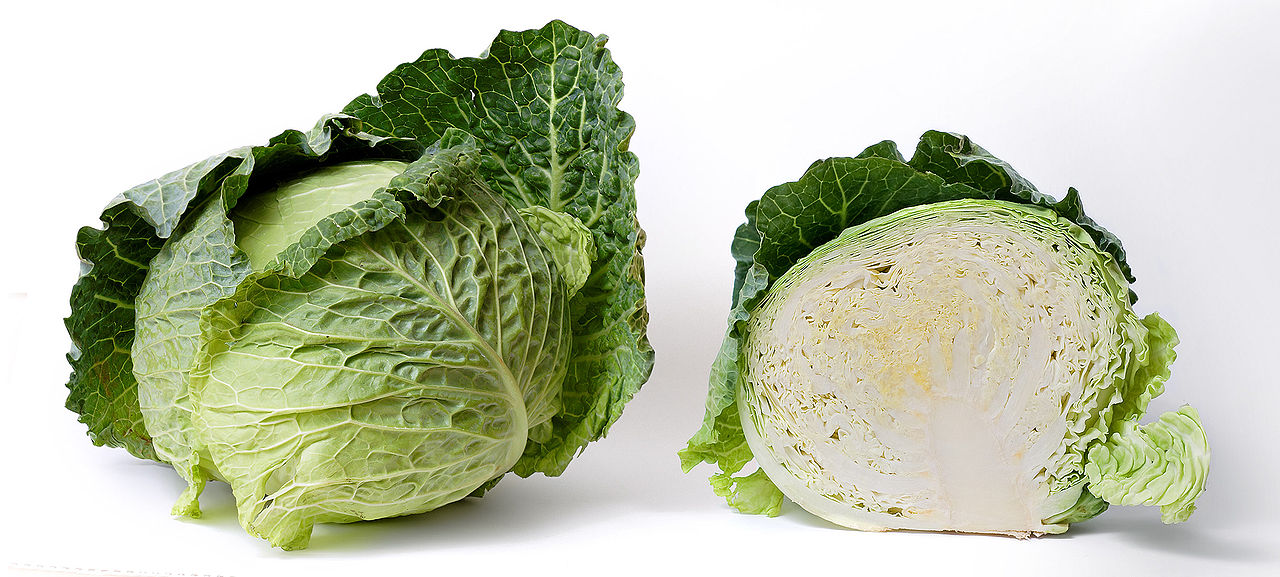
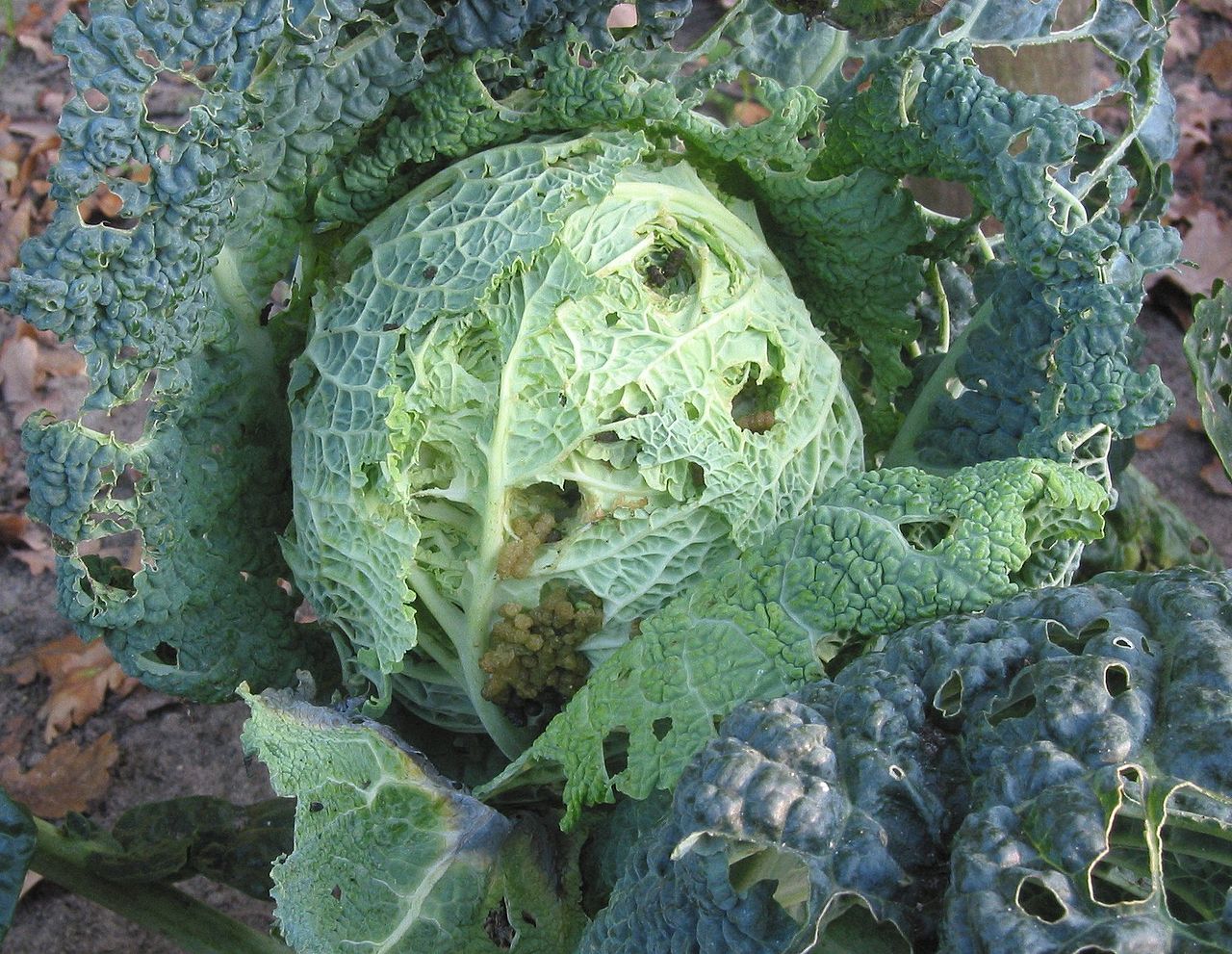
Cabbage heads vary in color, texture and shape. Most familiar are smooth green heads and the deep purple or red types, often labeled green or red. Savoy cabbage has wrinkled, crinkly leaves and a looser head, while pointed or conical types form elongated heads. The plants are biennial by nature but are usually cultivated as annuals for their edible leaves.
History, domestication and relatives
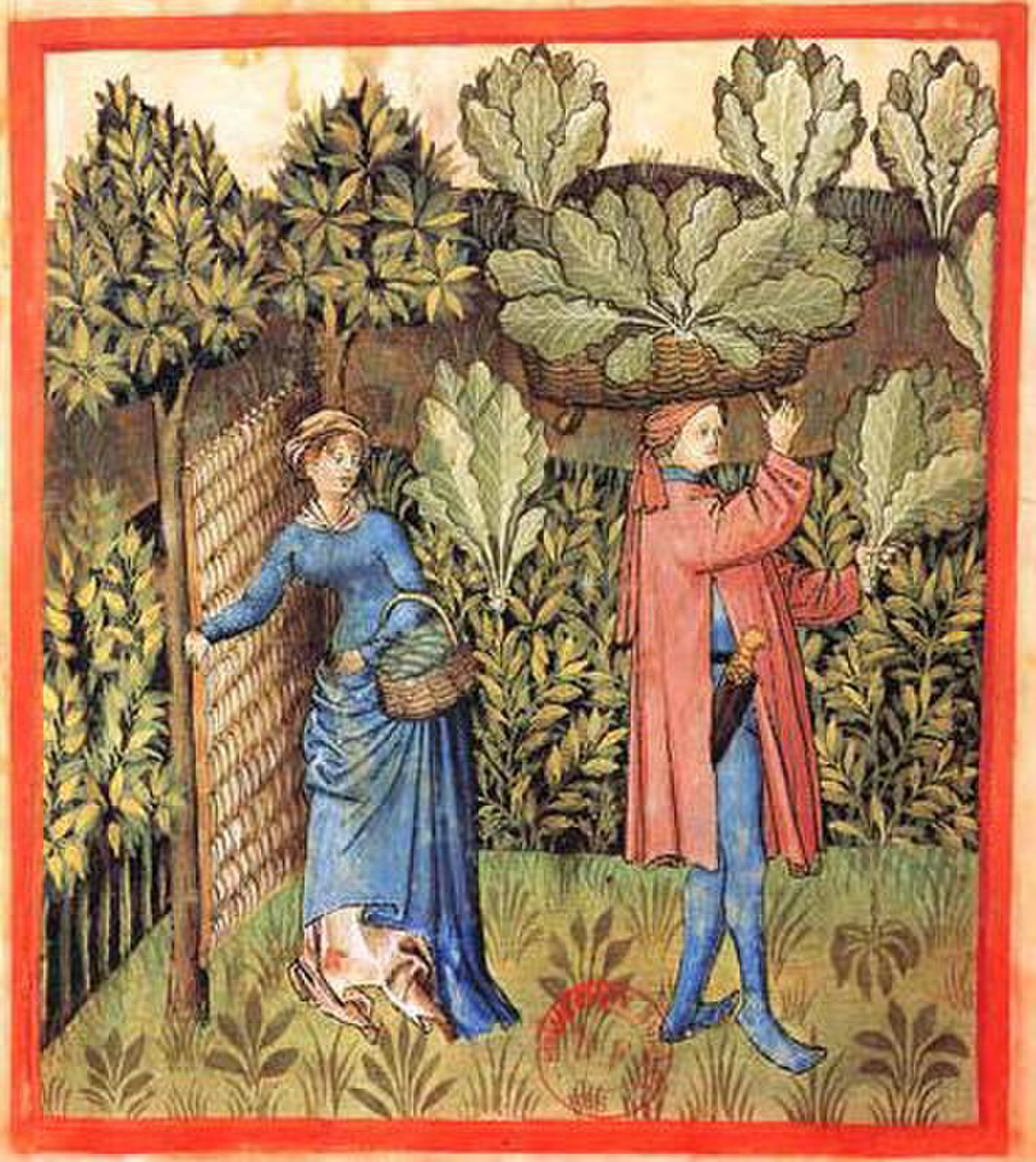
Wild ancestors of cultivated cabbage were native to coastal Europe. Over centuries of selection, farmers developed the tight-headed forms used today, a process that also produced other familiar vegetables within the same species. The name Capitata Group refers to the head-forming habit of these cultivars. Because of its long association with human diets, cabbage appears in many regional cuisines and preservation traditions.
Uses in food and preservation
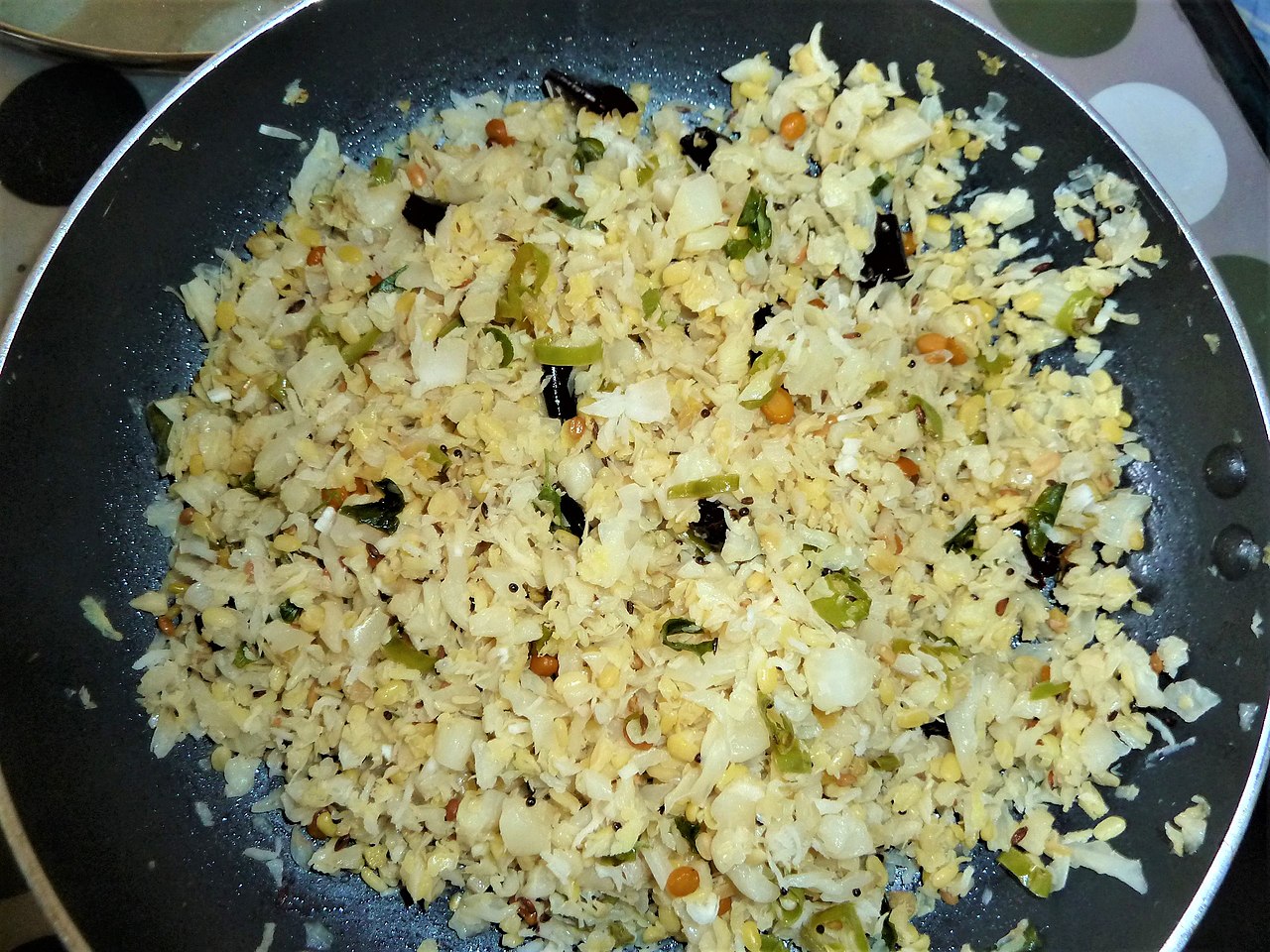
Cabbage is eaten raw, cooked, braised, steamed, stir-fried and fermented. Popular preparations include coleslaw, fermented sauerkraut (sauerkraut) and Korean kimchi (kimchi). It features in soups such as borscht and is a common ingredient in salads and slaws (salads). Fermentation not only extends shelf life but also changes flavor and increases the presence of beneficial bacteria.
- Major culinary uses: raw in salads, fermented, cooked in stews and stir-fries.
- Storage: heads store well when kept cool and dry, making cabbage a traditional winter vegetable.
Nutritional and practical notes
Cabbage provides dietary fiber, vitamin C and other micronutrients and is low in calories; like other crucifers it contains compounds that contribute to its peppery or sulfurous flavors. An interesting laboratory and classroom use of certain types is as a natural pH indicator—juice from red cabbage changes color across acidic and basic solutions and is often used to demonstrate acidity and alkalinity.
Distinctions and notable facts
Although several vegetables derive from the same wild species, the term "cabbage" usually refers to the head-forming Capitata Group. Other members of the species are distinct crops but closely related in cultivation and pest management. Because cabbage adapts to many climates and preserves well, it has played an important role in food security and regional cuisines around the world. For general information about cabbage as an edible plant see edible plant.
For further reading and recipes consult resources on its relatives and dishes: broccoli, cauliflower, Brussels sprouts, and preparation guides for coleslaw, sauerkraut, kimchi, borscht and general salads.
Related articles
Author
AlegsaOnline.com Cabbage: biology, varieties, culinary uses and cultural importance Leandro Alegsa
URL: https://en.alegsaonline.com/art/15840