
Buttercup (Ranunculus): overview, characteristics, habitats and hazards
Buttercups (genus Ranunculus) are several hundred wildflower species, often with glossy yellow petals. They grow in temperate, moist habitats, attract pollinators, and contain toxins that are neutralized by drying.
Overview
Buttercup is the common name for plants in the genus Ranunculus. This group includes several hundred species of annuals and perennials found across temperate regions worldwide. Many people recognize buttercups for their bright, often yellow blooms, though members of the genus can also bear white, pink or reddish flowers.
Image gallery
10 Images




Characteristics
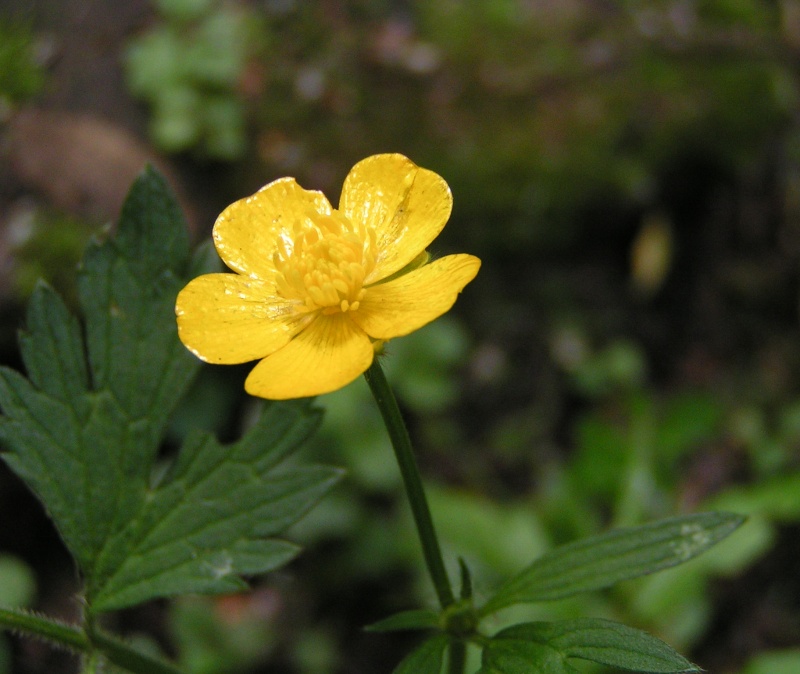
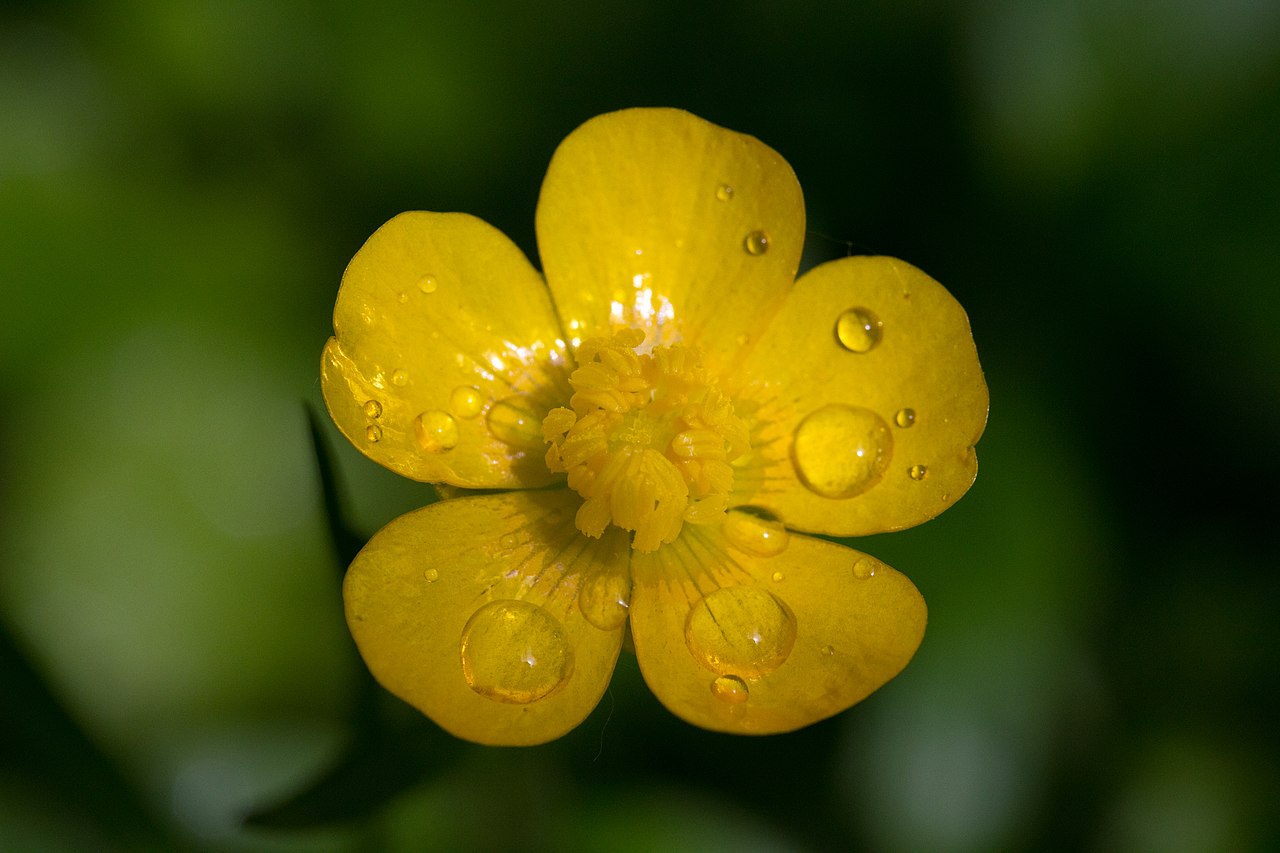
Typical buttercups produce solitary or clustered flowers with glossy petals that reflect light. The familiar bright color and the yellow petals are common in meadow species, and the petal surface often appears lustrous — a trait sometimes noted as shiny petals. Leaves vary by species, from deeply divided basal leaves to simple blades, and the fruit is usually a cluster of small dry achenes.
Habitat and distribution
Buttercups are most abundant in damp grasslands, marsh margins, stream banks and open woodlands. Their preference for moist soils explains their frequent occurrence in pastures and roadside ditches. They serve as early nectar sources for bees and other insects in spring and summer.
Toxicity and chemistry
Many buttercup species contain irritant compounds. Fresh plant tissue can release ranunculin, which may convert to protoanemonin, a substance that can cause skin blistering, mouth irritation or digestive upset in humans and animals. Consequently, buttercups are commonly described as poisonous to people and livestock when ingested fresh; the compounds break down when the plants are dried, so hay made from fields containing dried buttercups is generally not dangerous.
Uses, ecology and cultural notes
Although toxic, buttercups have a place in traditional remedies and folklore in small doses or as external poultices; because of their chemical activity, historical medicinal use required care. Some species are cultivated for ornamental purposes in garden borders or water gardens. Culturally, the plant appears in children's games (pressing a buttercup under the chin to show 'yellow') and features in literature and regional folk names.
Identification tips and cautions
- Flowers: usually 5 petals, glossy surface, bright hues (commonly yellow).
- Leaves: variable: lobed or pinnate depending on species.
- Fruit: clusters of achenes that may be helpful for species separation.
- Caution: avoid eating fresh plants; handle with gloves if you notice skin sensitivity.
For further reading on specific species, identification keys and regional information, consult specialist floras or local field guides. Additional resources can be found via links provided above to more detailed treatments of the genus and its traits.
Questions and answers
Q: What is a Buttercup?
A: A Buttercup is a large genus of flowering plants called Ranunculus that has yellow, shiny petals and grows wild in many places.
Q: Are Buttercups safe for consumption by human beings?
A: No, Buttercups are poisonous to eat for humans.
Q: Are Buttercups poisonous to cattle?
A: Yes, Buttercups are poisonous to cattle.
Q: Is the poison in Buttercups active when they are dry?
A: No, the poison in Buttercups is not active when they are dry.
Q: Are Buttercups a common plant species?
A: Yes, Buttercups are a common plant species that can be found in many places.
Q: Is the Buttercup a type of flower?
A: Yes, the Buttercup is a type of flower.
Q: What color are the petals of a Buttercup?
A: The petals of a Buttercup are yellow and shiny.
Related articles
Author
AlegsaOnline.com Buttercup (Ranunculus): overview, characteristics, habitats and hazards Leandro Alegsa
URL: https://en.alegsaonline.com/art/15682
Sources
- commons.wikimedia.org : Buttercup
- species.wikimedia.org : Ranunculus
- twitter.com : "Michael Avenatti on Twitter"
- twitter.com : "Michael Avenatti on Twitter"