
Evergreen plants: characteristics, types, ecology and uses
Evergreen plants retain foliage year-round. This article explains their defining features, adaptations, major groups, ecological roles, cultural uses and how they differ from deciduous species.
Overview
An evergreen is a plant that maintains live leaves throughout the year rather than shedding them all at once. Evergreens occur among trees, shrubs and groundcovers and are found in many climates from tropical rainforests to cold boreal forests. They contrast with deciduous species, which typically drop most or all foliage during a seasonal period such as winter or a dry season.
Image gallery
8 Images




Key characteristics and adaptations
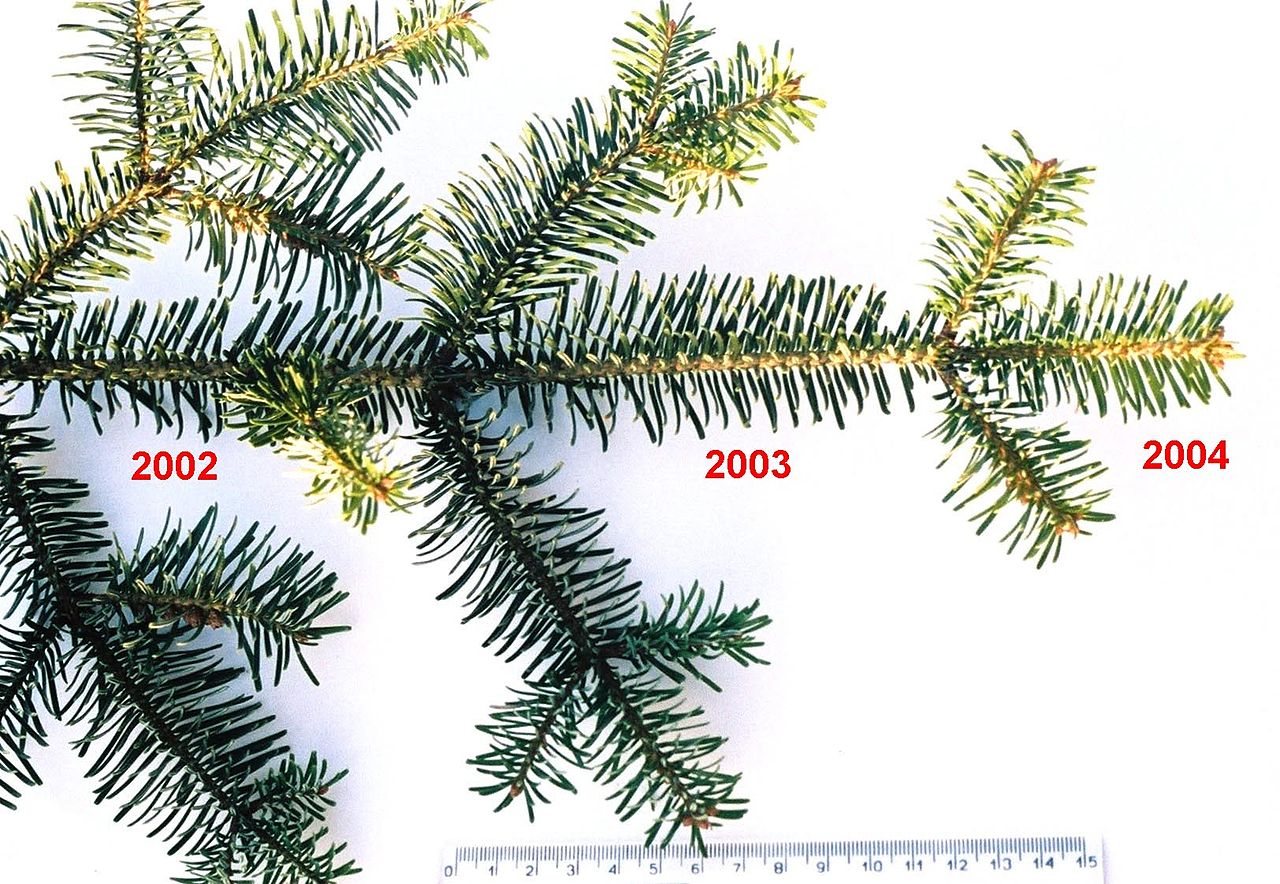
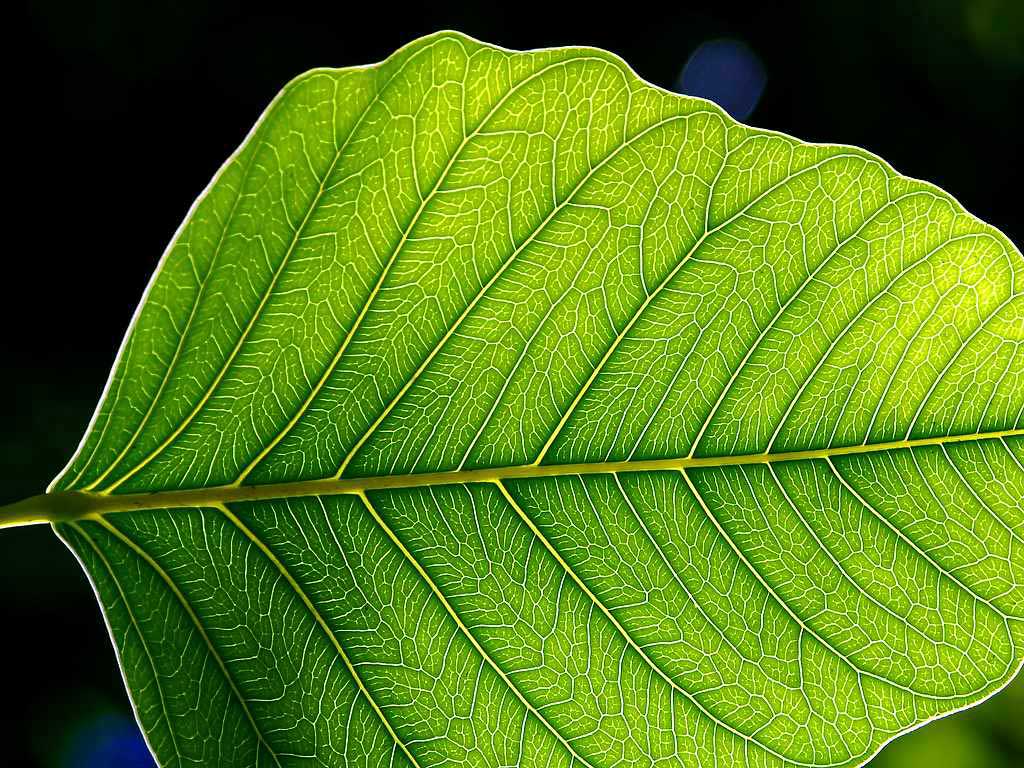
Evergreen leaves vary widely in form: from narrow needle-like leaves of many conifers to leathery broad leaves of some subtropical trees. Common adaptations that support year-round foliage include tougher leaf tissues, waxy coatings, reduced leaf surface area, and slower metabolic rates. These traits help reduce water loss, limit damage from cold or drought, and extend the functional life of leaves so the plant can photosynthesize whenever conditions permit.
Major groups and examples
- Conifers: pines, spruces, firs and cedars with needles or scales.
- Broadleaf evergreens: hollies, rhododendrons, live oaks and many tropical trees with persistent leaves.
- Sclerophyllous shrubs: Mediterranean plants with hard, small leaves adapted to dry summers.
- Palms and some monocots in warm regions that remain leafy year-round.
Ecology and distribution
Evergreens occupy diverse habitats. In cold boreal and montane zones, needle-leaved evergreens dominate because needles resist freezing and snow damage. In tropical and subtropical forests, broadleaf evergreens form dense canopies that allow continuous growth. The evergreen strategy is one of several ecological solutions to seasonal variability: it favors steady carbon gain over longer periods at the cost of keeping leaves that must be maintained when conditions are poor.
Uses and cultural importance
Humans cultivate evergreens for timber, windbreaks, ornamental landscaping and year-round privacy. Many have cultural roles—conifers as holiday trees in some cultures, or sacred groves of evergreens in ritual practice. Their continuous foliage also makes them valuable for erosion control and wildlife shelter in managed landscapes.
Distinctions and notable facts
Not all plants that keep some leaves year-round are strictly evergreen; terms such as "semi-evergreen" or "wintergreen" describe intermediate behaviors where plants lose part of their foliage under stress. In ecosystem function, evergreens often alter light and nutrient cycles because leaves persist longer and decompose differently than deciduous leaves. Understanding these differences helps in forestry, horticulture and conservation planning.
For further reading and taxonomy details, refer to specialist sources and regional floras listed by botanical institutions and plant databases.
Related articles
Author
AlegsaOnline.com Evergreen plants: characteristics, types, ecology and uses Leandro Alegsa
URL: https://en.alegsaonline.com/art/32776