
European ash (Fraxinus excelsior): description, range, uses and threats
The European ash (Fraxinus excelsior), or common ash, is a widespread deciduous tree of Europe and western Asia, valued for its timber and wildlife habitat but threatened by disease and pests.
Overview
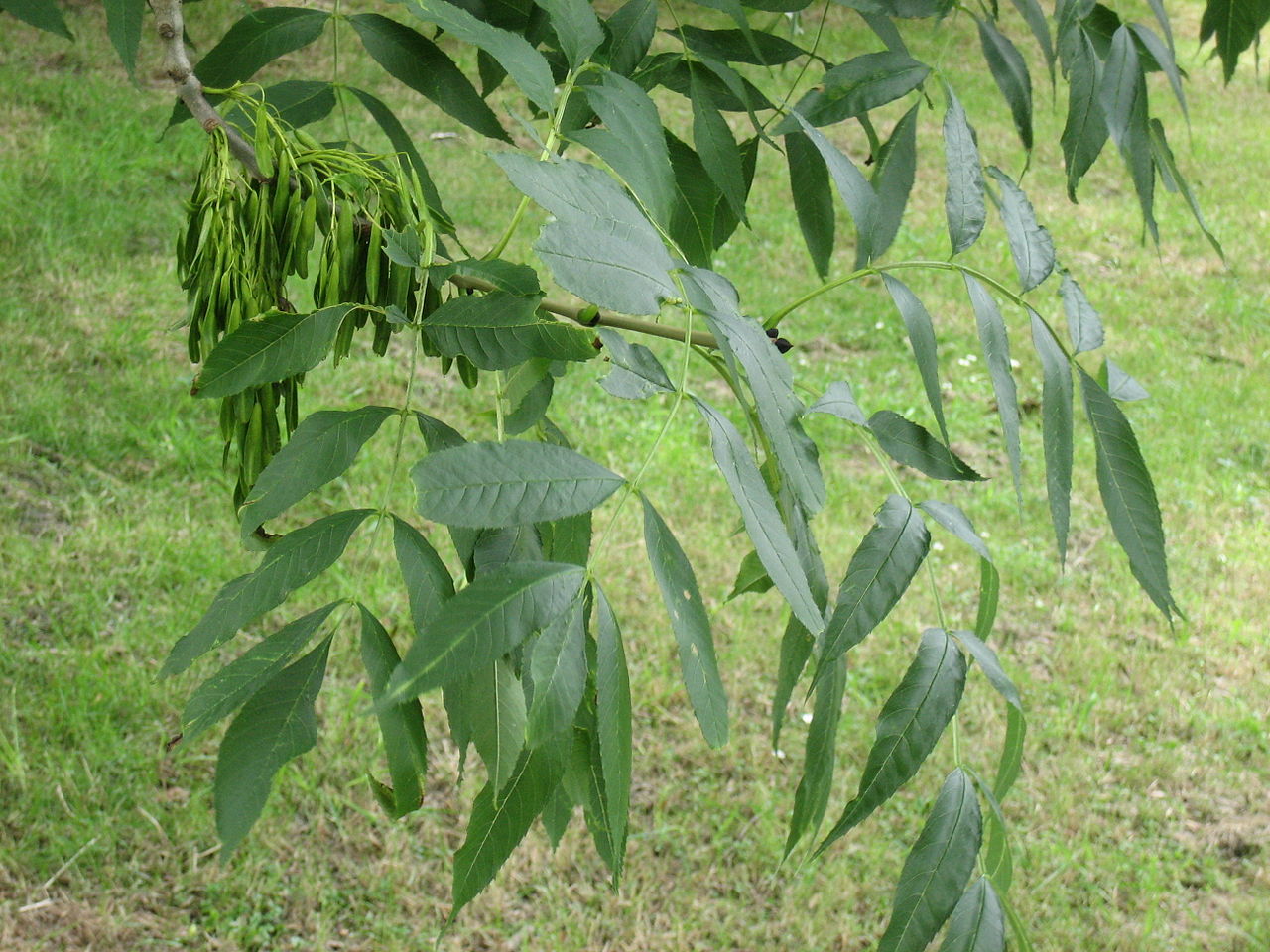
The European ash, commonly called the common ash and known scientifically as Fraxinus excelsior, is a tall deciduous tree native to much of Europe. It is recognized for its upright crown, opposite pinnate leaves and winged seeds (samaras). For taxonomy and general references see Fraxinus excelsior.
Image gallery
10 Images




Physical characteristics
European ash typically grows to 20–35 metres in height. Leaves are pinnate with several pairs of leaflets and fall in autumn. The bark is smooth and grey on young trees, becoming more fissured with age. Flowers are small and generally wind-pollinated, appearing before or with the leaves; they produce clusters of single-winged seeds that can be carried by the wind.
Distribution and habitat
Fraxinus excelsior is widespread across temperate Europe and into parts of western Asia. It occurs in a variety of habitats, from river valleys and mixed broadleaf woods to hedgerows and upland slopes, tolerating a range of soils provided they are not waterlogged. It is not restricted to northern regions alone; its range extends well beyond Scandinavia—see regional summaries at distribution resources.
Uses and ecological importance
European ash has long been used for its strong, elastic timber and plays an important role in rural and urban landscapes. It supports insects, birds and mammals that use the tree for food and shelter. Common uses include:
- tool handles, sporting goods and furniture—valued for strength and shock resistance
- firewood and traditional carpentry
- landscape planting, shelterbelts and restoration of mixed woodlands
History, cultural notes and distinctions
Historically the ash has had practical importance across Europe and appears in folklore and place names. It can be distinguished from other ashes by its combination of leaflets, bark texture and samara structure. Non-native ash species have been introduced to various regions and can be confused with the native species.
Threats and conservation
In recent decades European ash populations have declined in many areas due to ash dieback, caused by the fungus Hymenoscyphus fraxineus, and pressure from pests such as wood-boring beetles. These threats have led to local losses and prompted monitoring, biosecurity measures and research into resistant trees. For guidance on management and conservation actions consult conservation information.
Related articles
Author
AlegsaOnline.com European ash (Fraxinus excelsior): description, range, uses and threats Leandro Alegsa
URL: https://en.alegsaonline.com/art/32596