
Fabaceae (Legume family)
Fabaceae, or the legume/pea family, is a large, diverse group of flowering plants defined by pod fruits and frequent nitrogen-fixing root nodules; economically vital as food, forage and soil enhancers.
Fabaceae, also called the legume or pea family, is one of the largest and most varied families of flowering plants. Members occur worldwide in many habitats, from temperate grasslands to tropical forests. The family is widely recognized by its fruit (a pod or legume) and by the frequent ability of many species to form nitrogen-fixing root nodules in association with soil bacteria.
Image gallery
10 Images





Characteristics
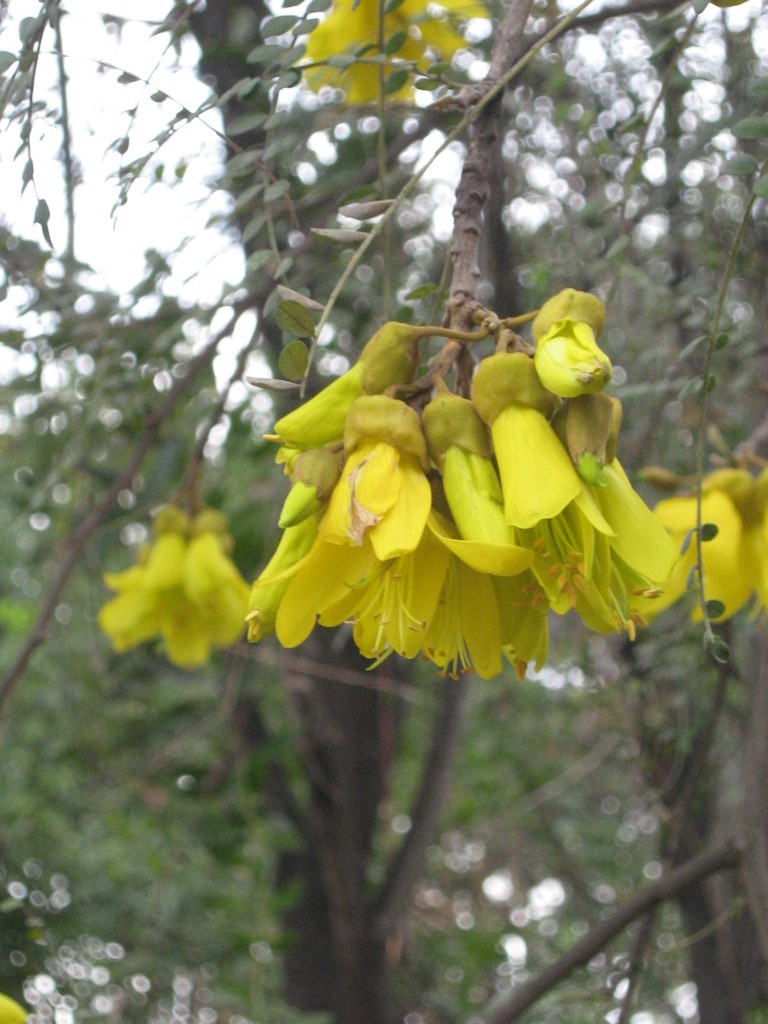
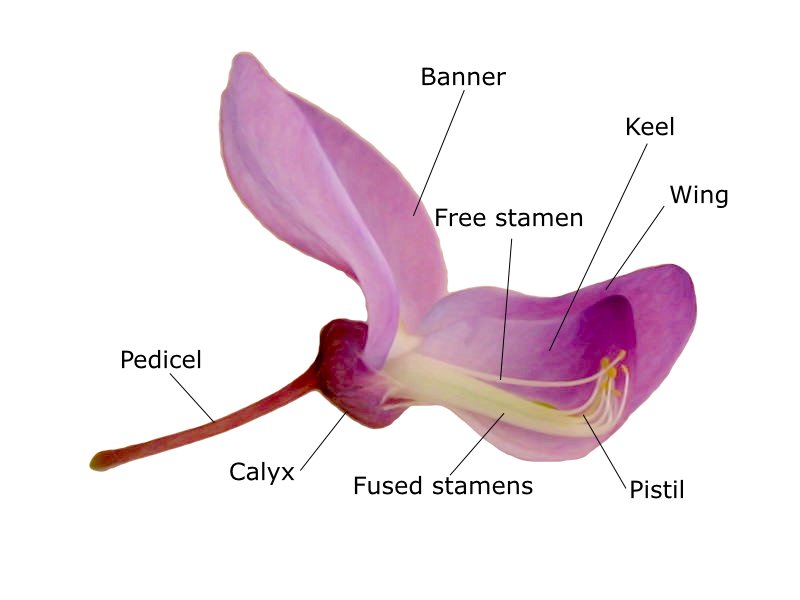
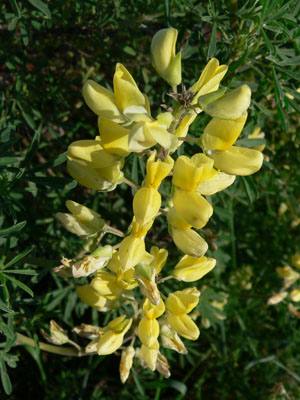
Plants in Fabaceae range from annual herbs to large trees. Typical features include compound leaves (often pinnate), stipules at the leaf base, and flowers that may be either radially symmetrical or, in the papilionoid group, strongly bilateral and “butterfly-shaped.” The fruit is usually a legume — a dry pod that typically splits along two seams to release seeds. Many species produce high-protein seeds used as food.
Subfamilies and classification
The family is commonly divided into three traditional subgroups: Caesalpinioideae, Mimosoideae and Papilionoideae (also called Faboideae). Modern phylogenetic systems (for example APG) have refined relationships within the family and place Fabaceae in the order Fabales, closely related to families including Quillajaceae and Polygalaceae. The older alternative name for the family is Leguminosae; both names are accepted in botanical usage.
Ecology and nitrogen fixation
A distinctive ecological role of many legumes is symbiosis with nitrogen-fixing bacteria (rhizobia) that form nodules on roots. This process converts atmospheric nitrogen into forms plants can use, enriching soils and making legumes important in crop rotations and restoration plantings. Fabaceae species also provide food and habitat for insects, birds and mammals.
Uses and importance
- Food crops: peas, beans, lentils, chickpeas, peanuts and soybeans are staple protein sources worldwide.
- Forage and soil improvement: clovers, alfalfa and vetch are grown for animal feed and as green manure.
- Wood and ornamentals: many trees and shrubs (acacias, tamarind, mesquite) supply timber, tannins or are grown for shade and landscaping.
- Industrial uses: oil from seeds (e.g., soybean), natural gums, and traditional medicines derive from various legumes.
History and notable facts
Legumes have been cultivated since prehistoric times and were central to the development of agriculture because of their edible seeds and soil benefits. The family is among the most economically important for human nutrition and agriculture. For general interest, the common English name “pea family” is reflected in older references and in many languages; more technical or horticultural sources often use Leguminosae or Fabaceae. For an introductory overview of peas and related crops see pea family resources.
Related articles
Author
AlegsaOnline.com Fabaceae (Legume family) Leandro Alegsa
URL: https://en.alegsaonline.com/art/33167