
Cretaceous Period: geology, climate, life, and the end‑Cretaceous event
The Cretaceous (about 145–66 million years ago) was the final period of the Mesozoic, marked by high sea levels, chalk deposition, angiosperm rise, diverse dinosaurs, and the mass extinction at its close.
Overview
The Cretaceous is the last period of the Mesozoic era and represents a major chapter in Earth history roughly between 145 and 66 million years ago. It extended for tens of millions of years and bridged the world of Jurassic ecosystems to the modern patterns that followed in the Cenozoic. The period is commonly subdivided into two major intervals often called the Lower (Early) and Upper (Late) Cretaceous.
Image gallery
10 Images




Chronology and subdivisions
The Cretaceous is split into two epochs. The Lower (or Early) Cretaceous begins near the start of the period and the Upper (or Late) Cretaceous ends with the famous extinction event that closed the Mesozoic. Because stratigraphy and geologic stage names vary by region and with successive refinements, study of the period often refers to regional formations, sea-level cycles, and fossil assemblages to establish finer resolution.
Geography, sea level, and sedimentation
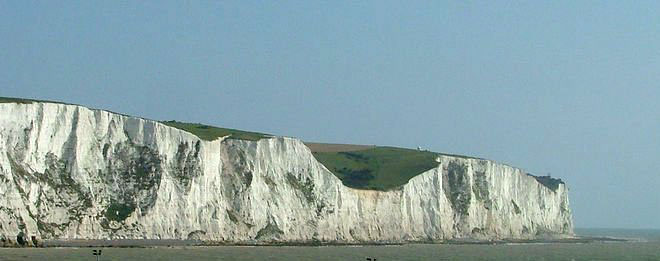
Global plate arrangements during the Cretaceous produced extensive shallow seas and epicontinental seaways. Sea levels were generally much higher than present at many times in the period, flooding continental interiors and creating environments where marine sediments accumulated over broad areas. In these warm, shallow waters large deposits of carbonate sediments formed, producing thick sequences of limestone and the distinctive chalk deposits known from places such as northwest Europe.
Life and ecosystems
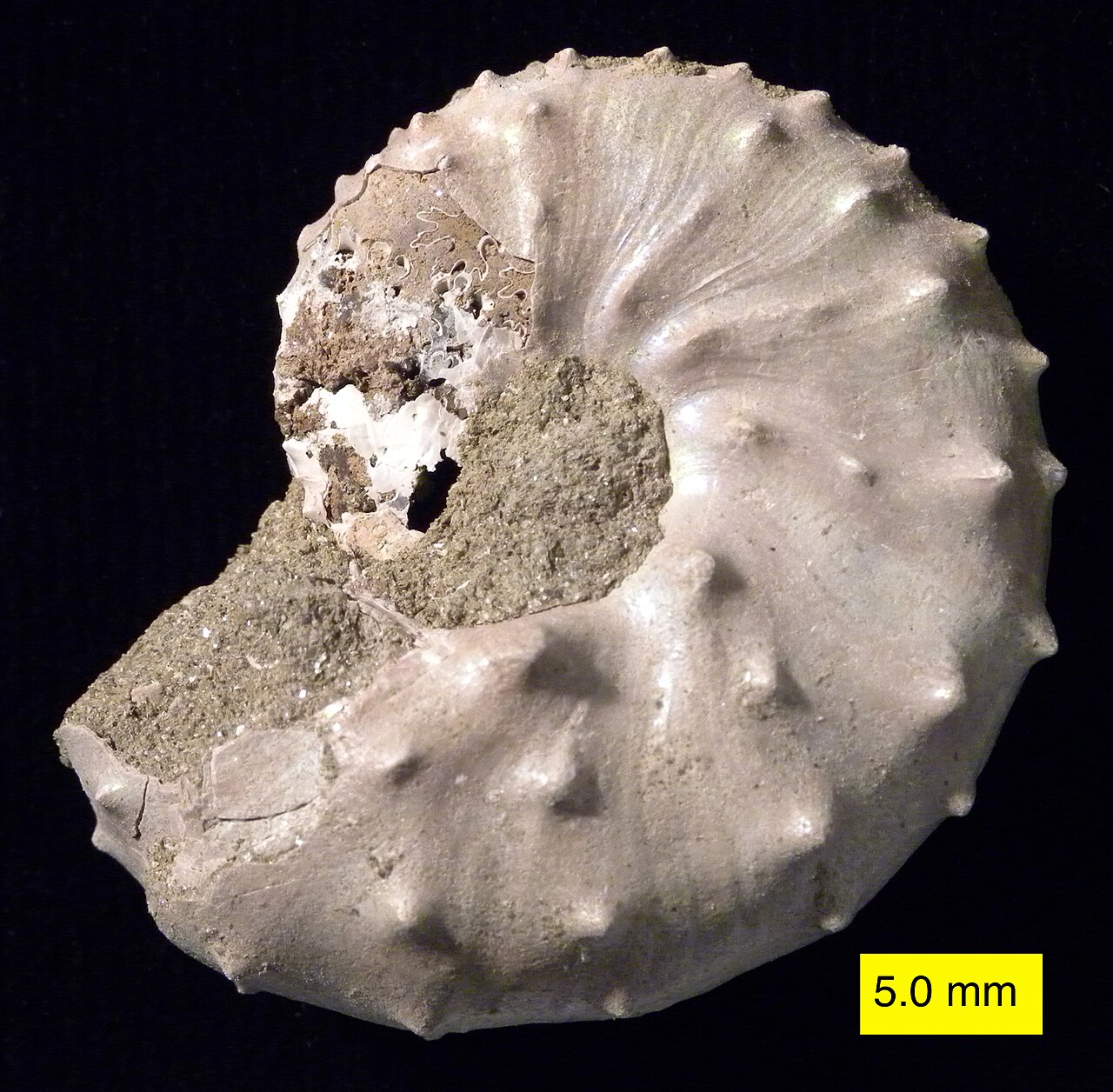
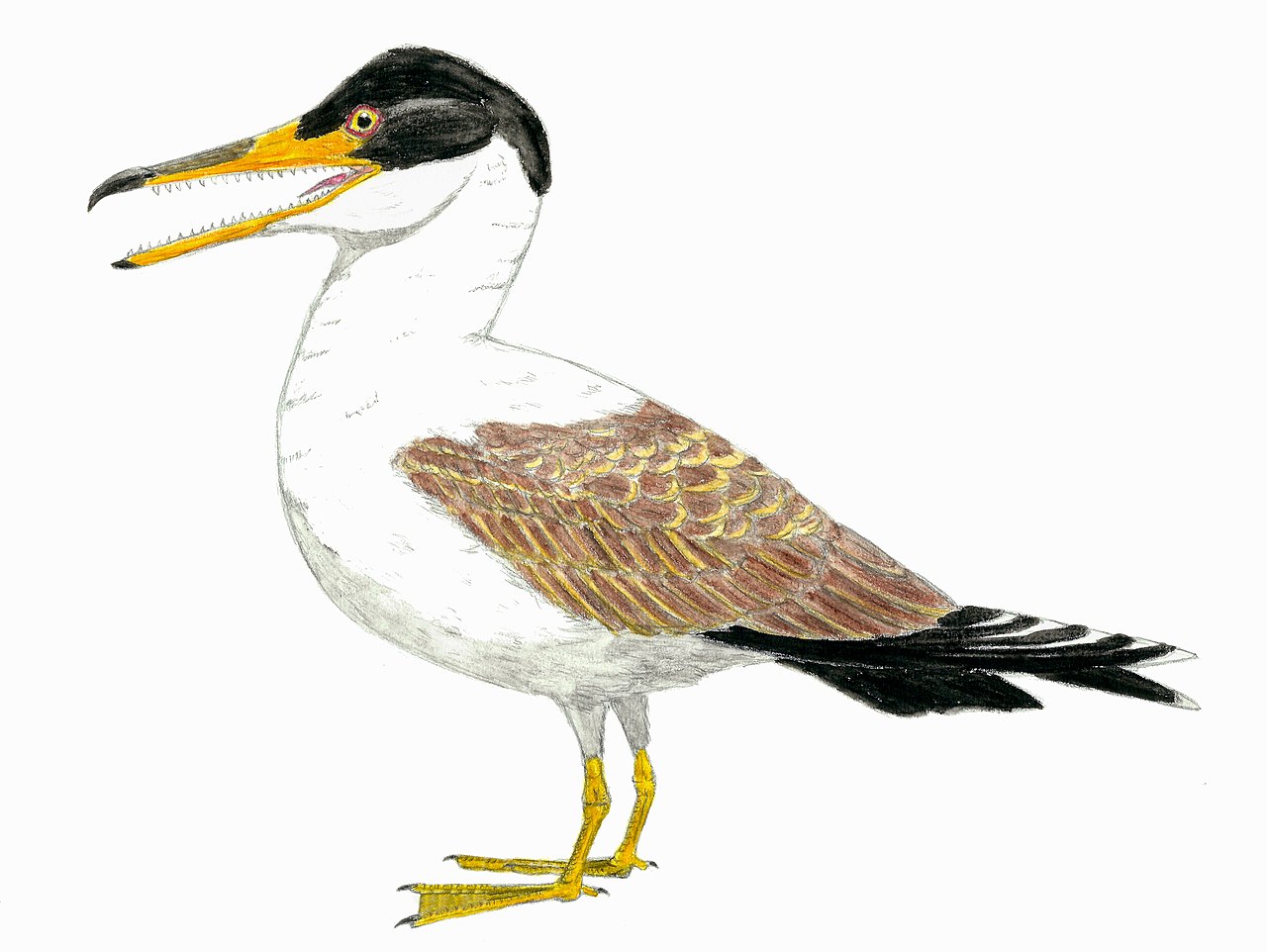
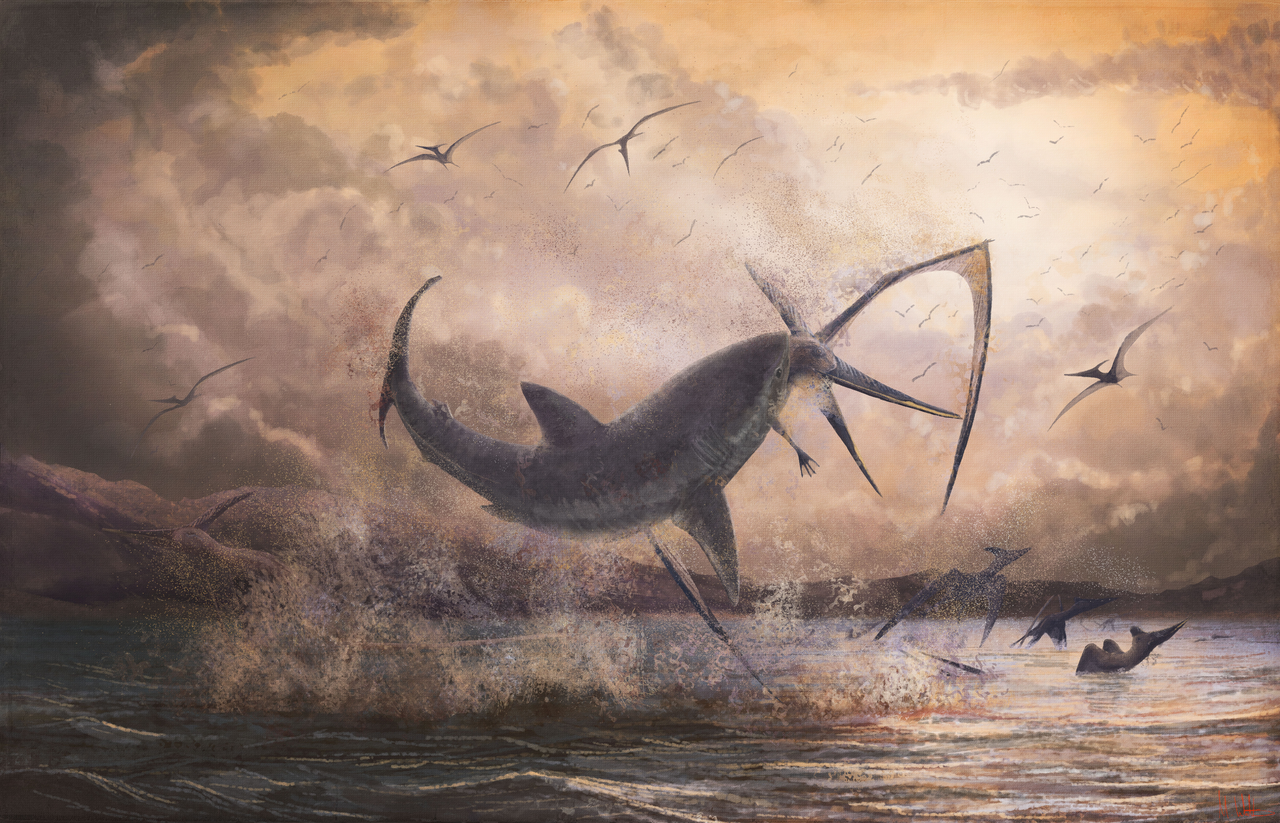
The Cretaceous hosted diverse terrestrial and marine life. On land, dinosaurs remained dominant, with groups such as tyrannosaurs, ceratopsians, hadrosaurs, and many others radiating into new niches. The period is also notable for the diversification and ecological rise of flowering plants (angiosperms), which began to change terrestrial food webs and plant–pollinator relationships. In the seas, ammonites, marine reptiles, and abundant planktonic organisms—including coccolithophorids whose calcareous plates helped form chalk—were important components of marine ecosystems.
Chalk, coccoliths, and sedimentary records
Chalk is a fine-grained limestone largely composed of the microscopic calcium carbonate plates (coccoliths) produced by single-celled algae. When these organisms flourished in great numbers, their remains accumulated on seafloors to build the chalk beds preserved in the rock record. Such deposits provide a detailed archive of ocean chemistry, climate, and biological productivity during parts of the Cretaceous.
End‑Cretaceous extinction and legacy
The close of the Cretaceous is marked by a major mass extinction that removed many dominant groups from Earth ecosystems. A combination of catastrophic events is implicated: an impact near the Yucatán Peninsula and extensive volcanic activity in regions such as the Deccan Traps have been linked to abrupt environmental change. The extinction cleared ecological space for the Cenozoic rise of mammals, modern birds, and reconfigured plant communities, fundamentally reshaping life on Earth.
Further reading and related topics
- Phanerozoic Eon overview
- Jurassic period context
- Mesozoic era summary
- Cainozoic / Cenozoic transition
- Geologic era boundaries
- Epoch and stage definitions
- Upper (Late) Cretaceous details
- Lower (Early) Cretaceous details
- Phanerozoic time scale
- Terrestrial vertebrate faunas
- Sea‑level change and transgressions
- North American Cretaceous geology
- Epicontinental seas and inland seaways
- Chalk deposits and their formation
- Limestone and carbonate systems
- Coccoliths and microfossils
- Phytoplankton and primary producers
- Volcanism during the Cretaceous
- Flood basalts and environmental effects
- Deccan Traps volcanism
- India's geologic role in the Cretaceous
These topics can provide focused entry points to sedimentary records, fossil groups, and the events that make the Cretaceous a pivotal period in Earth's deep past.
Questions and answers
Q: What period follows the Cretaceous?
A: The Cainozoic era follows the Cretaceous period.
Q: How long did the Cretaceous period last?
A: The Cretaceous period lasted 80 million years, from 145 to 65 million years ago (mya).
Q: How many epochs are in the Cretaceous period?
A: There are two very long epochs in the Cretaceous period - Upper and Lower.
Q: How long was the Lower Cretaceous epoch?
A: The Lower Cretaceous epoch lasted 45 million years, from 145.5 mya to 100.5 mya.
Q: What is chalk made up of?
A: Chalk is 95% to 99% made up of coccoliths, which are calcium carbonate (CaCO3) plates produced by tiny single-celled algae (coccolithophorids).
Q: What caused an extinction event at the end of the Upper Cretaceoues period?
A: At the end of the Upper Cretaceoues period, a famous meteorite strike combined with volcanic flood basalts spewed out in India caused an extinction event known as K/T extinction event.
Related articles
Author
AlegsaOnline.com Cretaceous Period: geology, climate, life, and the end‑Cretaceous event Leandro Alegsa
URL: https://en.alegsaonline.com/art/24143
Sources
- doi.org : doi.org/10.1144/gsjgs.136.2.0175