
Maple (Acer): Overview, Biology, Uses, and Distribution
Maples (genus Acer) are deciduous trees and shrubs valued for distinctive leaves, winged seeds, autumn color, timber and maple syrup. Native mainly to Asia, with species across Europe and North America.
Overview
Maple is the common name for members of the genus Acer, a group of mostly deciduous trees and shrubs. Botanists estimate roughly 100–200 species, though counts vary with differing taxonomic treatments. The genus name Acer derives from a Latin word meaning "sharp," a reference to the often pointed lobes or serrations of many maple leaves. Historically maples have sometimes been placed in their own family, Aceraceae, but modern classifications commonly include them within the Sapindaceae.
Image gallery
10 Images




Characteristics and biology
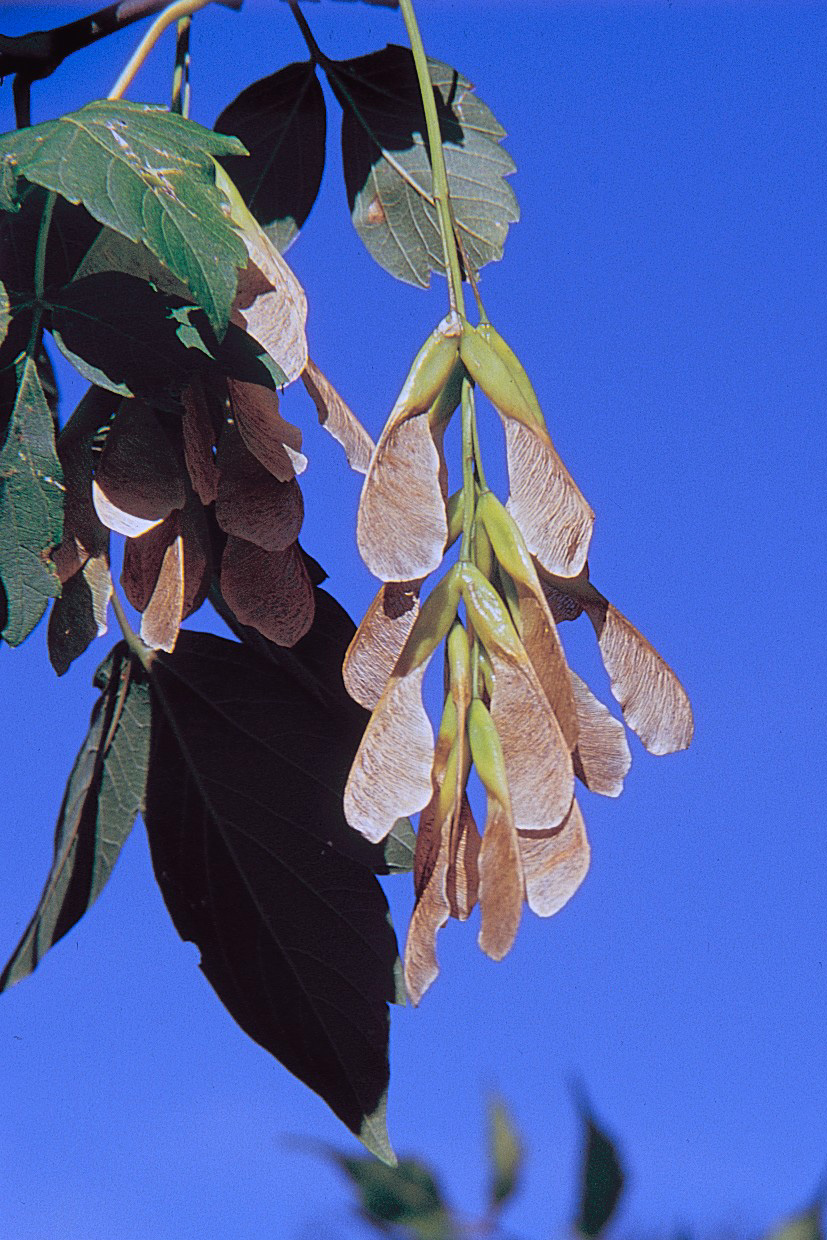
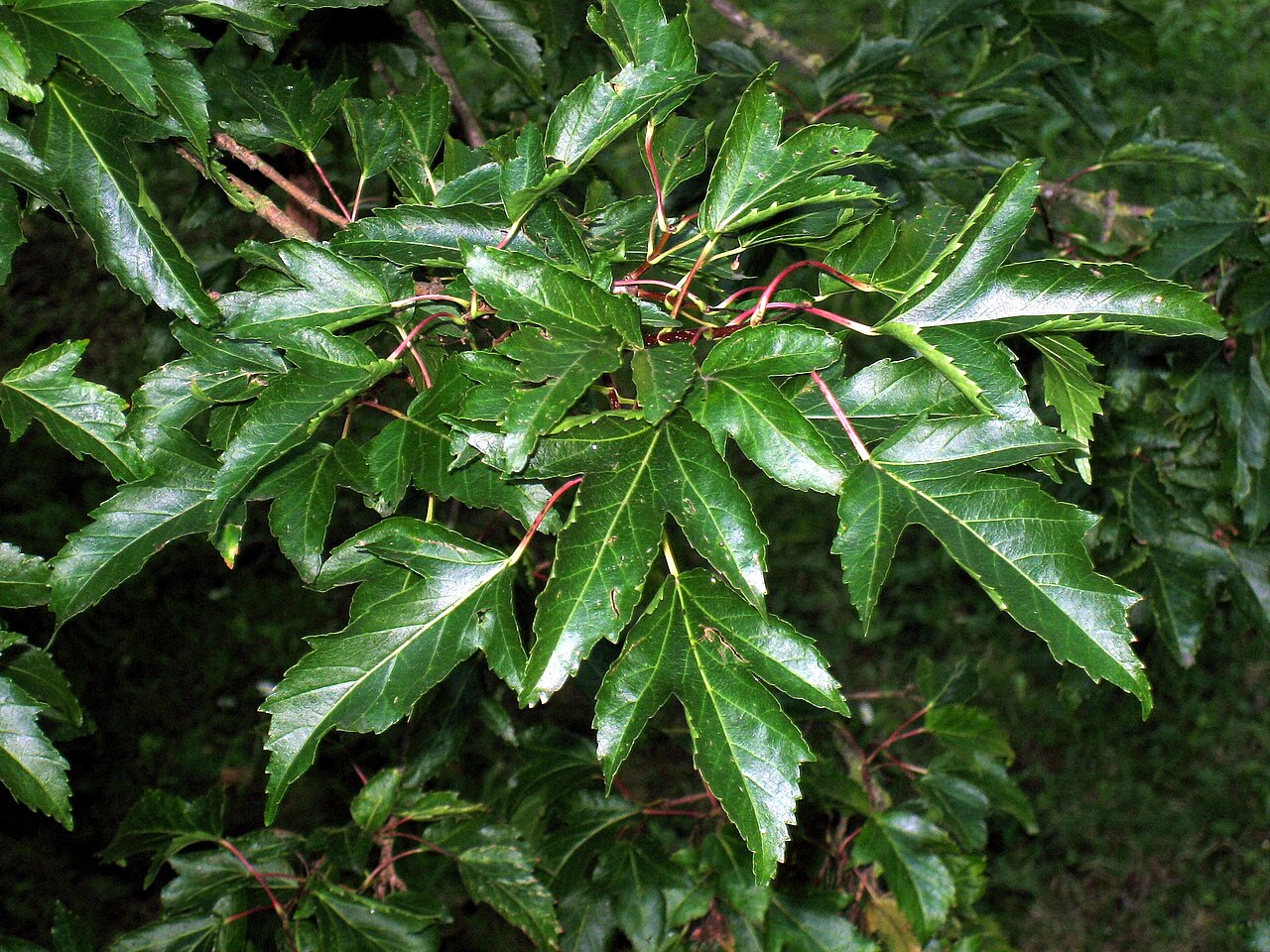
Maples display a range of forms from multi-stemmed shrubs to large, long-lived canopy trees. Leaves are usually simple and opposite, frequently lobed (palmate) or with toothed margins. A distinctive reproductive feature is the samara: a paired winged seed that spins as it falls, aiding wind dispersal. Flower structure is small and often inconspicuous; species vary in being monoecious or having separate male and female flowers on the same plant. Maples produce wood valued for density and figure, and many species show brilliant autumn foliage colors from yellow to deep red.
Taxonomy, origin and distribution
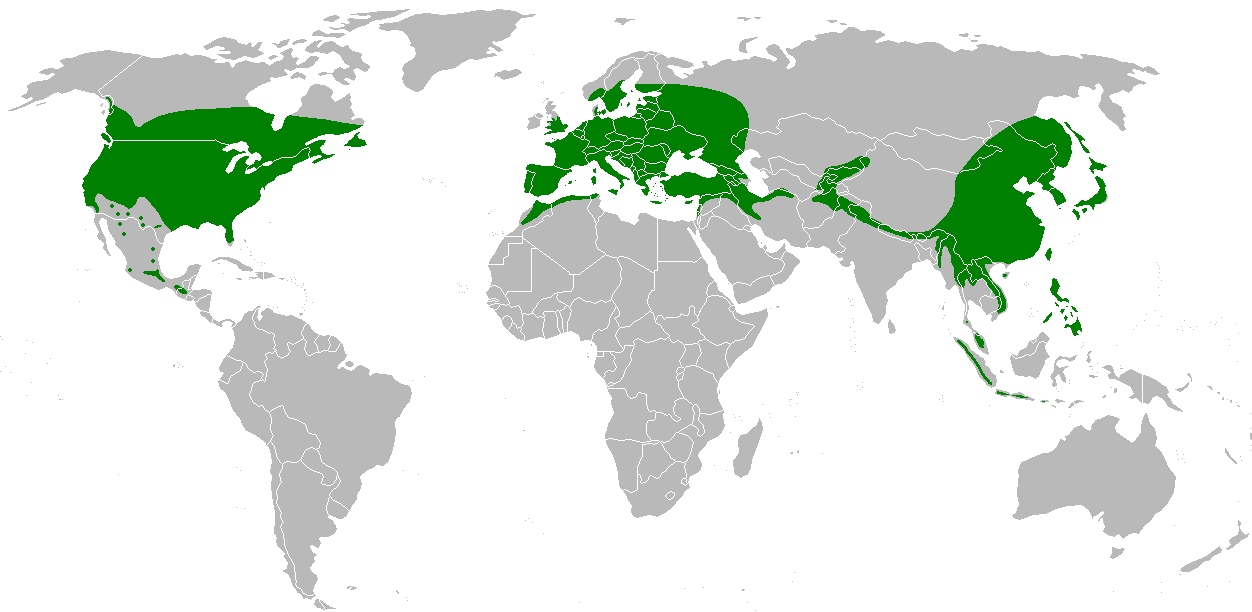
The greatest diversity of maples occurs in eastern Asia, where most species are native, but maples also occur widely in Europe, northern Africa and North America. The type species for the genus is Acer pseudoplatanus, commonly called the sycamore maple. Over centuries botanists have revised species limits and sectional groupings; some species interbreed where ranges overlap, producing natural hybrids.
Uses, cultivation and importance
Maples have many human uses. Several species are cultivated as ornamental trees for shade and decorative leaf shapes and autumn color; Japanese maples are especially prized in gardens. Certain species, notably the sugar maple, are tapped for sap that is boiled into maple syrup and sugar. Maple wood is used in furniture, flooring and musical instruments for its hardness and attractive grain. Many cultivars have been selected for form, color and growth habit, making maples common in urban planting and managed landscapes.
Notable species and distinctions
- Acer saccharum — sugar maple, valued for syrup and timber.
- Acer palmatum — Japanese maple, grown for delicate leaves and form.
- Acer platanoides — Norway maple, widely planted in temperate cities.
- Acer pseudoplatanus — sycamore maple, the genus type species.
Conservation, pests and management
While many maples are common and adaptable, some species face habitat loss and other pressures. Nursery propagation and widespread planting have extended some species beyond their native ranges, where they can become invasive under favorable conditions. Cultivated and wild maples may be affected by pests and diseases, ranging from insect herbivores to fungal pathogens; good horticultural practice, appropriate species selection and local guidance help manage these risks.
Further reading
For general botanical information consult a regional flora or horticultural guide. For taxonomic and distributional details seek specialist treatments and floras associated with the regions where maples grow. Useful starting points include links on botanical databases and conservation resources: genus overview, reference pages for trees and shrubs, family context at Sapindaceae, species lists counts and summaries, and regional profiles for Asia, Europe and North America. For information on the type species see Acer pseudoplatanus.
Related articles
Author
AlegsaOnline.com Maple (Acer): Overview, Biology, Uses, and Distribution Leandro Alegsa
URL: https://en.alegsaonline.com/art/61512
Sources
- species.wikimedia.org : Acer