
Accident: causes, types, consequences and prevention
An accident is an unintended event causing harm, loss, or damage. This article explains types, common causes (transport, home, fires), investigation methods, prevention strategies, and notable examples.
Overview
An accident is an unplanned event that produces unwanted consequences such as injury, damage, loss or disruption. Accidents can be physical — for example collisions, slips, falls, and machinery incidents — or non‑physical, such as unintentionally revealing a secret, forgetting a critical task, or erasing a computer file or record. The term covers single‑person mishaps as well as incidents involving many people and can apply in domestic, workplace, transport, leisure and digital environments.
Image gallery
3 Images

Common settings and notable examples
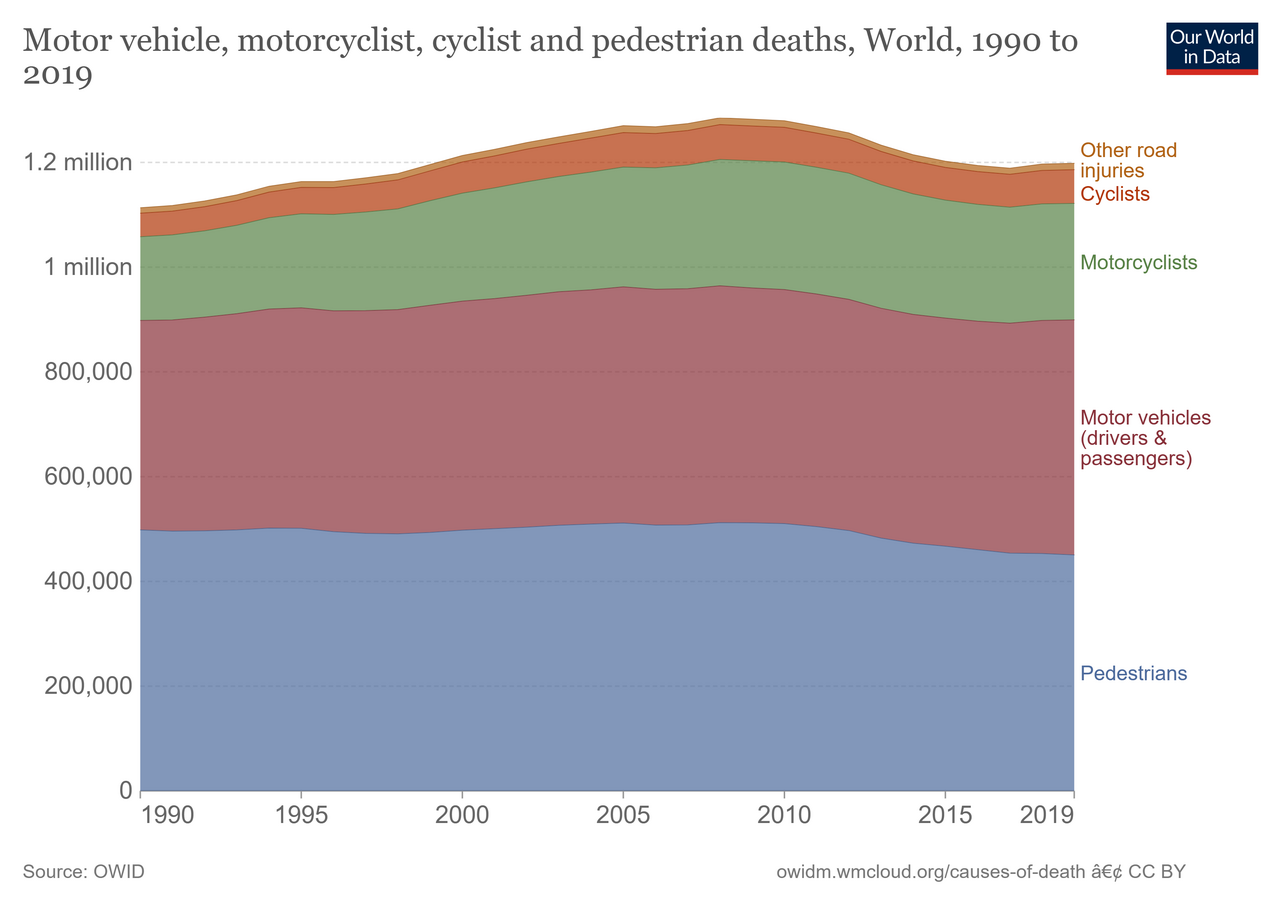
Transport accidents draw considerable public attention because they may involve many victims at once. Road accidents account for a large share of injury and death worldwide and typically involve cars, but also buses, trucks and bicycles. Other high‑profile incidents include aircraft crashes and ship sinkings. Household accidents are far more frequent in aggregate — cuts, burns, falls and poisoning happen in the home more commonly but tend to affect fewer people at a time.
Accidental discoveries and side effects sometimes change science and technology. A frequently cited example is the serendipitous discovery of penicillin, which illustrates how unexpected events can lead to new knowledge or innovations when investigated and understood.
Fires and their dangers
Fire incidents are a leading cause of unintentional deaths and serious injuries in many countries. In fires the primary causes of fatality are thermal injury and inhalation of smoke and toxic combustion gases. Common ignition scenarios are simple and often avoidable: an unattended candle, faulty or aging electrical wiring, malfunctioning appliances, or careless storage of flammable materials. Because the initiating cause can be mundane, fire safety emphasizes simple precautions and good maintenance.
Types and characteristics
- Physical accidents: collisions, falls, crushing, cuts and burns.
- Chemical and biological accidents: spills, contamination, exposure to toxins or pathogens.
- Technological and digital accidents: hardware failure, software errors, accidental deletion of important digital files.
- Human factors and organizational failures: fatigue, distraction, inadequate training, poor procedures or maintenance.
- Near‑misses: events that could have caused harm but did not — important for learning and prevention.
Prevention, investigation and response
Reducing accidents combines design, regulation, education and emergency preparedness. Common prevention strategies include safer engineering and product design, protective equipment, clear procedures, training and routine maintenance. When an accident occurs, structured investigation—such as root cause analysis and safety audits—helps identify contributing factors so similar events can be avoided. Institutions, insurers and regulators often rely on incident reports and forensic reconstruction to guide policy and safety improvements.
Short‑term responses focus on rescue, medical care and containment (for example, fire suppression and evacuation). Long‑term responses include changes to standards, enforcement, public information campaigns and technological fixes that address the root causes revealed by investigation.
Distinctions and important facts
- Not all harmful events are accidents in the legal or technical sense; some may be intentional acts or criminal negligence.
- Recordkeeping and reporting vary by country and sector; many accidents go unreported, especially minor household incidents.
- Studying near‑misses can be as valuable as studying accidents because they reveal vulnerabilities without the cost of harm.
For practical guidance, safety resources and statistical summaries are maintained by national agencies and international organizations; searching authoritative sources can provide up‑to‑date recommendations for specific contexts and activities. For further reading on specific incident types see resources on collisions, injuries, digital recovery for deleted files, and sector guidance for bus, truck, or bicycle safety, as well as fire prevention and response materials. More background on accidental discoveries is available through summaries about penicillin and similar cases.
Questions and answers
Q: What is an accident?
A: An accident is when something goes wrong when it is not meant to.
Q: What are some examples of physical accidents?
A: Examples of physical accidents include collisions, injuries, and falling.
Q: What are some examples of non-physical accidents?
A: Examples of non-physical accidents include telling someone a secret without meaning to, forgetting something important, or deleting an important computer file.
Q: How many people die each month in the United States due to road accidents?
A: Thousands of people die each month in the United States due to road accidents.
Q: Why do injuries from accidents occur more often at home than elsewhere?
A: Injuries from accidents occur more often at home than elsewhere because only a few people are hurt at a time and they attract less attention.
Q: How can we learn how to avoid future accidents?
A: We can learn how to avoid future accidents by studying them and discovering new things that may help prevent them.
Q: What is the main cause of death in fire incidents?
A: The main cause of death in fire incidents is burning, but inhalation of smoke and toxic gas also causes death as well.
Related articles
Author
AlegsaOnline.com Accident: causes, types, consequences and prevention Leandro Alegsa
URL: https://en.alegsaonline.com/art/636
Sources
- commons.wikimedia.org : Accident
- lawyersandsettlements.com : "Fire Accidents"
- newstimes.com : "construction accident"
- realclearscience.com : "Labs Are Dangerous"