
Demosponge (Class Demospongiae)
Demosponges are the largest and most diverse class of sponges, characterized by skeletons made from spongin, silica spicules, or both; they play key ecological and biotechnological roles.
Overview
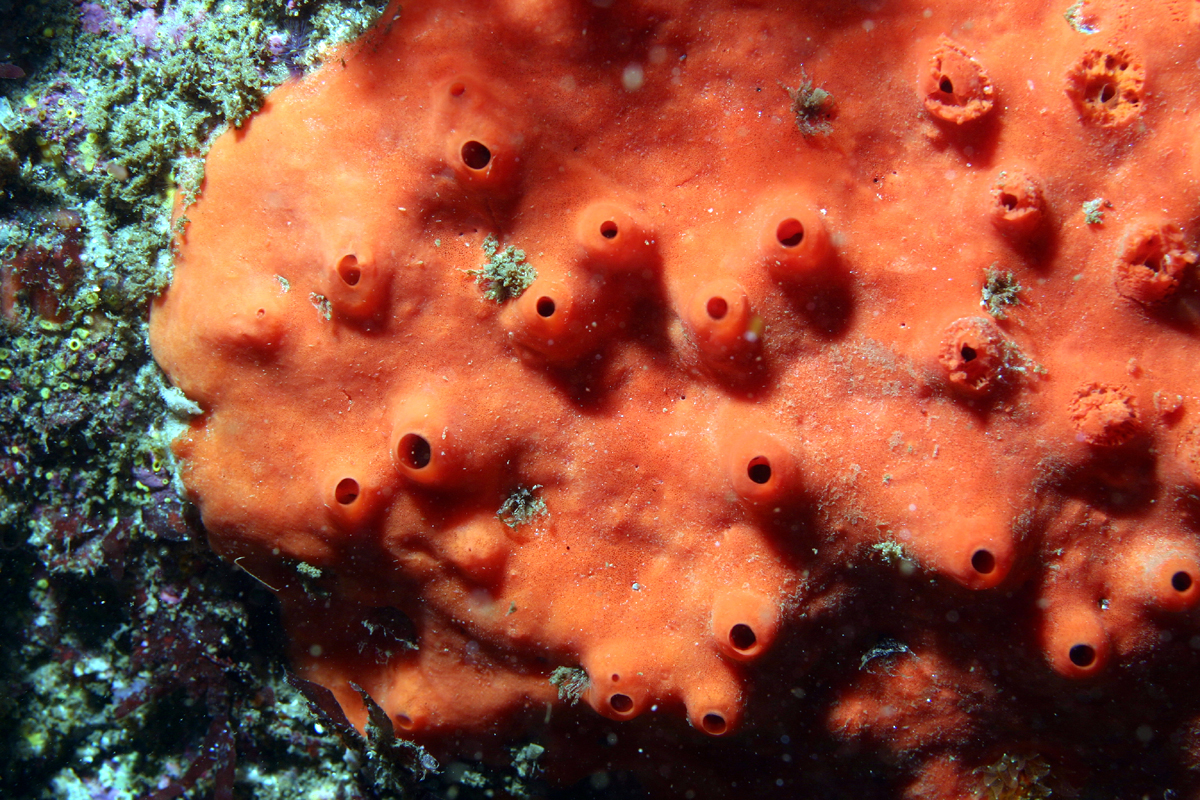
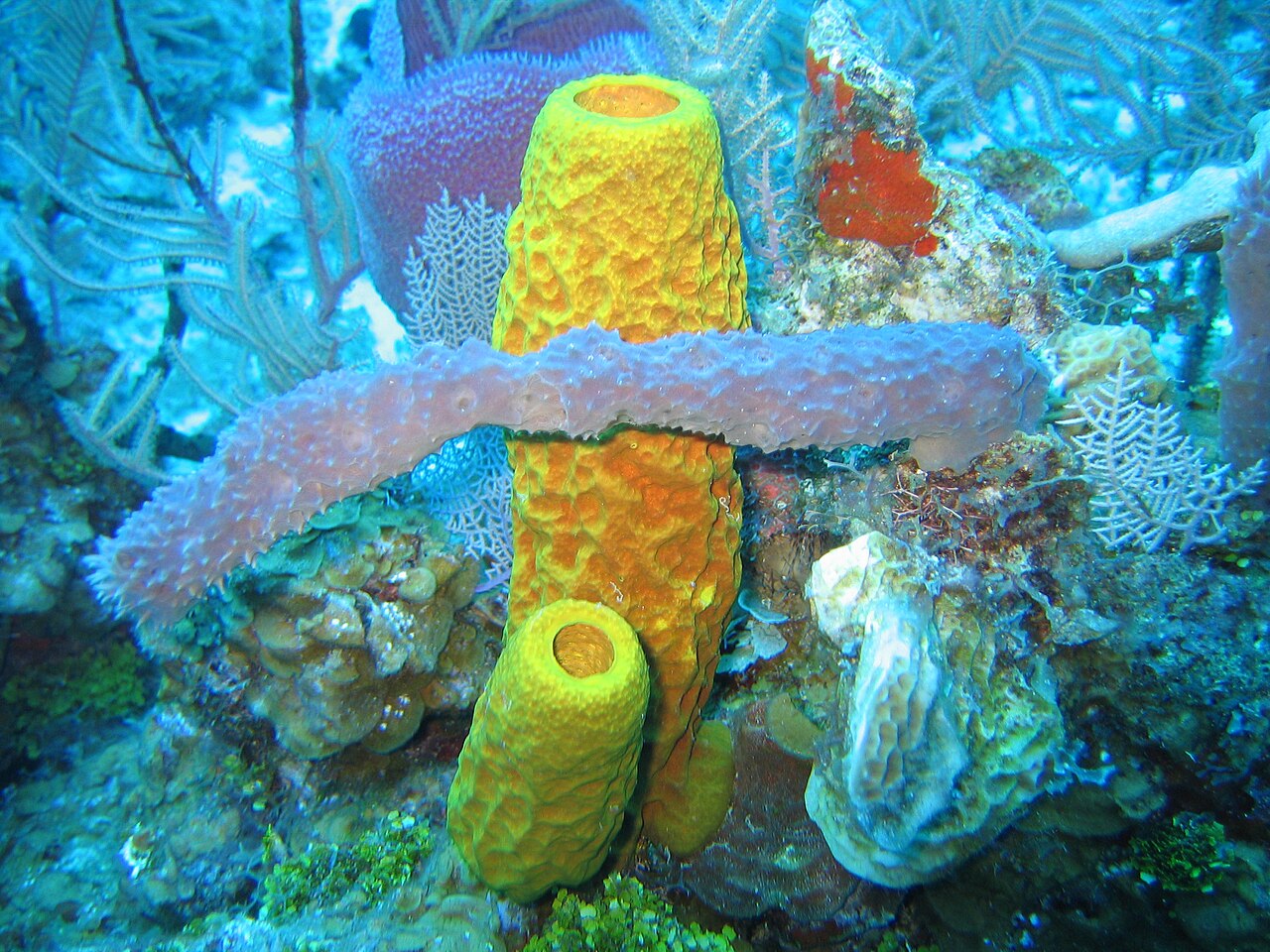
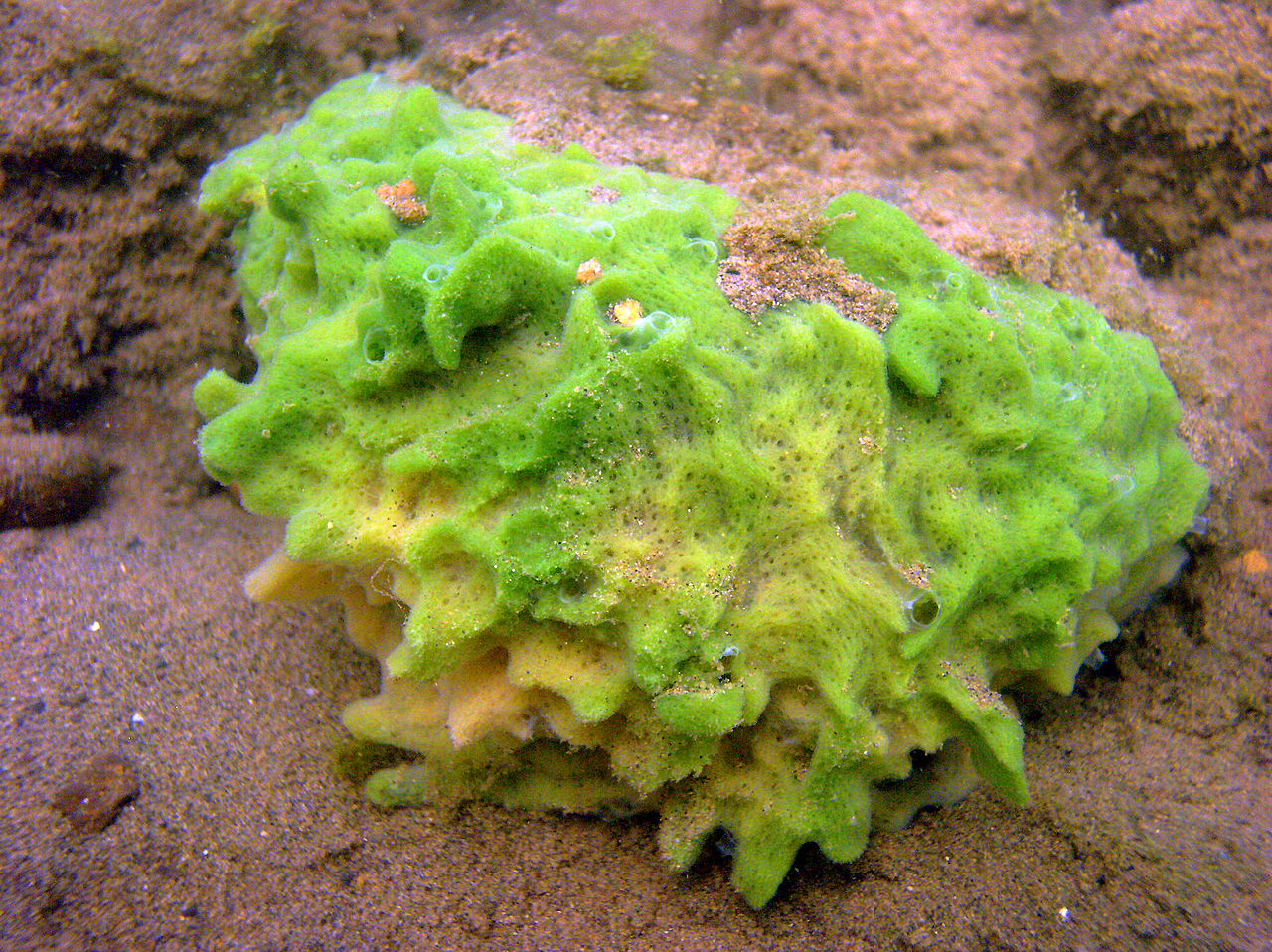
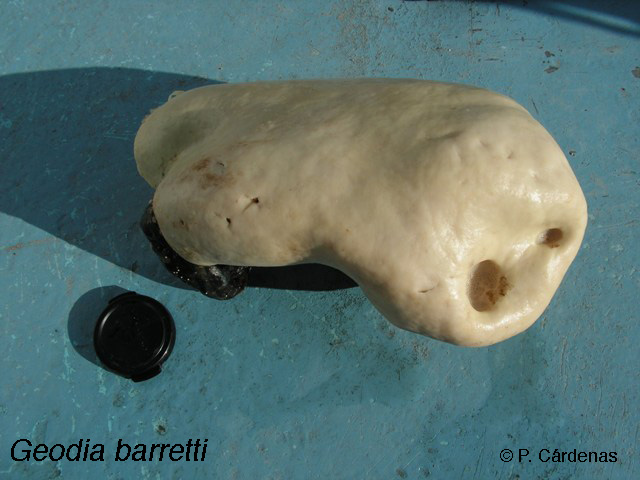
Demosponges (class Demospongiae) form the largest and most species-rich group within the sponges. They belong to the broader phylum Porifera and occur in marine and freshwater environments worldwide. Members range from encrusting films on rocks to large massive forms; many are important components of benthic communities and reef systems.
Image gallery
10 Images




Structure and distinguishing features
One defining feature of demosponges is their skeleton. This framework may include a proteinaceous mesh called spongin, siliceous spicules, or a combination of both. For more on the supportive framework in sponges see skeletons. When silica spicules are present in demosponges, their shapes differ from those of the closely related glass sponges, which have distinct, often more elaborate siliceous elements.
- Body plan: porous exterior with internal canals and chambers lined by choanocyte cells that drive water flow.
- Skeleton: spongin fibers, silica spicules, or both.
- Growth forms: encrusting, tubular, massive, branching, or cup-like.
Demosponges feed by filtering microscopic particles from water, a process that helps maintain water quality and drives nutrient cycles. They reproduce sexually (producing larvae that disperse) and asexually (budding and fragmentation); many species also show impressive regenerative ability.
History and evolution
Demosponges have a deep evolutionary history indicated by fossil fragments, spicule remains, and molecular studies. Although the fossil record can be fragmentary because of their soft tissues, evidence suggests that sponge lineages, including forms ancestral to modern demosponges, were present in Earth’s early marine ecosystems. Their long history has allowed substantial diversification into many ecological niches.
Ecological roles and human uses
Ecologically, demosponges provide habitat complexity, stabilize sediments, and host dense communities of microbes and small animals. They are studied for the natural chemicals they produce; many of these compounds are investigated for pharmaceutical and biotechnological applications. Historically, some keratose demosponges with abundant spongin were harvested as natural bath sponges, a small commercial use compared with their broader ecological importance.
Notable distinctions and facts
Demosponges are diverse in color, size and form and often harbor symbiotic bacteria and algae that contribute to nutrition or chemical defense. Their silica spicules differ in morphology from those of glass sponges, and the presence or absence of spongin helps classify taxa. For general overviews and taxonomic resources see Porifera resources, materials on skeleton structure, references about spongin, and comparisons with glass sponges.
Related articles
Author
AlegsaOnline.com Demosponge (Class Demospongiae) Leandro Alegsa
URL: https://en.alegsaonline.com/art/26534