
Ritual: Forms, Functions, and Cultural Significance
Rituals are patterned, symbolic actions—religious or secular—used to mark transitions, express identity, coordinate groups, and shape belief and behavior.
Overview
At its simplest, a ritual is a sequence of actions performed because those actions carry symbolic meaning. Participants follow a prescribed order of gestures, words, objects and timings so that each element stands for something beyond its immediate practical effect. Rituals are repeatable and recognizable: their form binds meaning to behaviour and signals to observers that something important is taking place. Scholars often describe rituals as performances that produce, reproduce or transform social relations and personal identity; practitioners may experience ritual as a way of ordering life, seeking contact with the sacred, or managing change.
Image gallery
10 Images



Structure and symbolism
Rituals typically combine several elements: formalized actions, speech, objects or dress, and a sequence that may include separation, transition and reintegration. The symbolic content of those elements is culturally specific but often operates according to similar principles: objects can serve as tokens of authority; gestures can mark respect or submission; words can name and thus constitute relationships. Many rituals include symbolic steps whose repetition reinforces shared meanings and expectations.
Types and common contexts
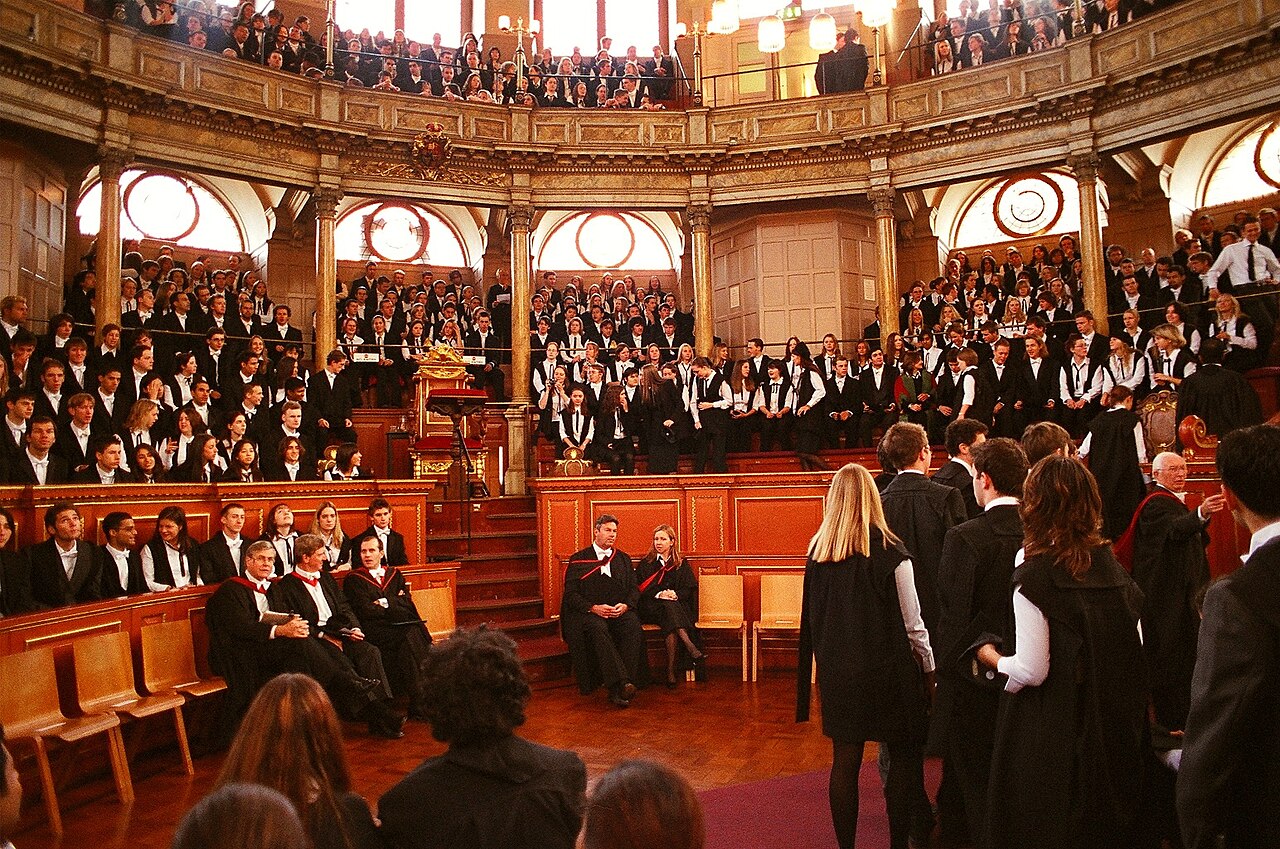
Rituals appear in religious, civic, familial and institutional life. Religious rites such as worship services, sacraments, or healing ceremonies are one major category and are widely discussed in studies of religious contexts. Life-cycle rites—baptisms, weddings, funerals and coming-of-age observances—mark transitions in social roles and personal status. Other rituals include calendrical observances tied to seasons, political inaugurations, oaths, graduation ceremonies and group practices such as pre-game routines or initiation rites. Rites of passage often make explicit social change when a young person reaches coming of age.
Functions and social importance
Rituals serve multiple, overlapping functions. They express and affirm belonging by publicly demonstrating group membership and aligning individuals with shared beliefs. They reinforce hierarchies by recognizing social status or conferring formal qualifications. Ritual acts can be modes of communication with a transcendent power, functioning as a form of prayer or supplication, and they often communicate personal or collective commitment to a cause or community. By coordinating attention and timing, rituals reduce uncertainty and facilitate collective action.
Anthropological and sociological perspectives
Several theoretical frameworks help explain why rituals matter. One influential idea divides rites into phases—separation, liminality and incorporation—highlighting how ritual temporarily suspends ordinary statuses before reassigning them. Other approaches emphasise ritual as a mechanism for social cohesion, where shared symbols and collective effervescence strengthen group bonds. Performance theory treats ritual as an enacted drama in which participants and audiences co-produce meaning. In each approach, the focus is on how ritual mediates personal experience and social order.
Contemporary transformations and contested rituals
Rituals adapt over time and may be transformed by migration, technological change, political shifts or cultural contact. Secular societies often convert or reinvent religious rituals into civic or cultural forms; for example, public ceremonies and commemorations borrow ritual techniques to create shared memory. Rituals can also be contested: changing meanings may provoke debate about inclusion, authenticity or harm. Practices once widely accepted may be re-evaluated, and new rituals may arise around social movements, sports fandom or organizational culture—ranging from a formal oath to practices associated with military enlistment.
Psychological and clinical considerations
On an individual level, ritual can provide comfort, structure and a sense of control in uncertain situations. The predictability of ritual often reduces anxiety and helps people cope with loss or change. At the same time, ritual-like behaviours may appear in clinical contexts: repetitive compulsions associated with obsessive compulsive disorder differ from culturally embedded rituals in their lack of shared symbolic meaning and their interference with functioning. Distinguishing cultural ritual from pathology depends on context, intent, and effect.
Examples and common elements
- Life-cycle rituals: birth ceremonies, coming-of-age, marriage, death rites and reintegration.
- Civic and political rituals: inaugurations, judicial oaths, public commemorations.
- Religious and devotional rituals: worship, sacraments, pilgrimage, and communal prayer.
- Group and organizational rituals: initiations, badge ceremonies, and workplace traditions.
Understanding ritual requires attention to both form and function: how actions are performed, and what those actions do for individuals and communities. For further exploration of symbolic practice and social meaning see introductions in anthropology, religious studies and sociology, and case studies of ritual change in diverse cultural settings.
For specific discussions of symbolic sequences consult sources on symbolic steps and rites, on life-cycle observances such as coming of age, and on ritual roles within religious contexts. Other useful entry points include studies of group membership, the formation of beliefs, the recognition of social status, the awarding of formal qualifications, and the role of ritual in expressions of prayer or supplication and personal commitment. Contemporary civic and organizational rituals, including ceremonies linked to military enlistment, illustrate ritual's broad social reach.
Related articles
Author
AlegsaOnline.com Ritual: Forms, Functions, and Cultural Significance Leandro Alegsa
URL: https://en.alegsaonline.com/art/83073