
Heart: structure, function, and importance in vertebrates
The heart is a muscular organ that pumps blood through the circulatory system. This article explains its structure, chambers, electrical system, evolution, and role in health and disease.
The heart is a specialized organ present in all vertebrate animals and central to the circulatory system. In humans it lies slightly left of the body's midline and is roughly the size of a clenched fist in adults. Its primary role is to propel blood through vessels so oxygen, nutrients and signaling molecules reach tissues across the body. The heart's repetitive contractions are driven by an intrinsic electrical system and coordinated mechanical action of muscle layers.
Image gallery
10 Images





Basic structure and main parts
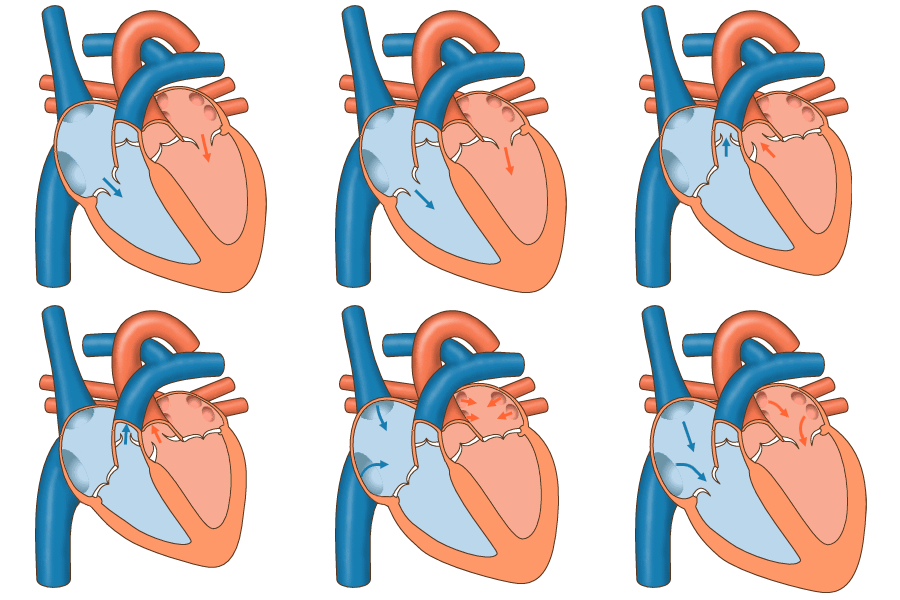
The heart is built from several distinct tissues and compartments. The muscular wall (the myocardium) generates the force of contraction; the thin inner lining (endocardium) forms the chambers and valves; and the tough sac surrounding the heart (pericardium) reduces friction and limits excessive motion. In mammals and birds the heart is divided into four chambers—two atria and two ventricles—that separate oxygenated and deoxygenated blood for efficient circulation.
- Chambers: right and left atria, right and left ventricles.
- Valves: tricuspid, pulmonary, mitral (bicuspid), and aortic valves maintain one-way flow.
- Conduction system: sinoatrial node, atrioventricular node, bundle branches and Purkinje fibers coordinate timing.
- Coronary circulation: arteries and veins that supply the heart muscle itself.
How it works: the cardiac cycle

Each heartbeat includes a coordinated sequence—atrial contraction, ventricular contraction (systole), and relaxation (diastole). Valves open and close to direct blood from veins into atria, from atria to ventricles, and from ventricles into arterial outflow. The sinoatrial node typically sets the heart rate, which adapts to activity, emotion, and metabolic demands. Electrical activity can be observed externally as an electrocardiogram (ECG or EKG).
Evolution and variation among vertebrates
Vertebrate hearts show progressive complexity. Fish usually have a two-chambered heart adapted for single-circuit blood flow, amphibians and most reptiles have three functional chambers with some mixing of blood, while mammals and birds evolved a four-chambered heart that fully separates pulmonary and systemic circulation for high metabolic rates. The terms cardiac and cardio- derive from roots referring to the heart, and the word myocardium reflects the Greek components for muscle (myo) and heart—kardia.
Importance, common conditions, and care
The heart's integrity is critical for health. Common issues include rhythm disturbances (arrhythmias), compromised blood supply to the myocardium (often called myocardial infarction or heart attack), and chronic pump failure (heart failure). Coronary artery disease is a major cause of cardiac problems in adults. Lifestyle measures—regular exercise, balanced diet and avoiding smoking—plus medical management when needed, reduce risk. Emergency measures such as cardiopulmonary resuscitation (CPR) and defibrillation can restore circulation in sudden cardiac arrest.
Further reading and resources
For introductory overviews, comparative anatomy, and clinical topics consult general anatomy texts and reputable medical sources. See entries about vertebrate biology and the circulatory system for broader context: vertebrate overview, organ systems, and practical references on circulation and vascular health body systems. Additional material on cardiac terminology and language origins is available via resources addressing the cardio prefix and classical roots such as kardia. For clinical information, reputable medical guides explain diagnostics like ECG, imaging, and treatments; basic physiology texts cover how blood is transported and exchanged at the tissue level.
Questions and answers
Q: What is the heart?
A: The heart is an organ found in every vertebrate that pumps blood throughout the body.
Q: What is the size of the human heart?
A: The human heart is about the size of a fist.
Q: Where is the heart located in humans?
A: The heart is located on the left side of the body in humans.
Q: What is the function of the heart?
A: The function of the heart is to pump blood throughout the body.
Q: What is the meaning of the prefixes 'cardiac' and 'cardio'?
A: Both 'cardiac' and 'cardio' mean "about the heart".
Q: What does 'myocardium' mean?
A: 'Myocardium' means the heart muscle.
Q: What is the outer layer of the heart called?
A: The outer layer of the heart is called pericardium.
Related articles
Author
AlegsaOnline.com Heart: structure, function, and importance in vertebrates Leandro Alegsa
URL: https://en.alegsaonline.com/art/43091
Sources
- cnx.org : Anatomy & physiology