
Pathology: the medical study of disease and diagnosis
Pathology is the medical science that investigates disease causes, mechanisms and effects through examination of tissues, fluids and organs; it underpins diagnosis, prognosis, research and forensic investigation.
Pathology is the branch of medicine dedicated to understanding disease by examining tissues, organs, bodily fluids and whole bodies. Pathologists apply laboratory and anatomical methods to establish a medical diagnosis, determine the nature of a disease, and provide information needed for treatment and public health decisions.
Image gallery
10 Images





Scope and main branches
The field is broad and includes several overlapping specialties. Anatomic pathology studies structural changes in organs and tissues; clinical (or laboratory) pathology analyzes blood, urine and other fluids; forensic pathology focuses on cause and manner of death; and molecular pathology applies genetic and biochemical tests. These divisions work together to form an integrated picture of illness.
Common techniques and tools
- Gross examination and dissection of organs and specimens to document visible abnormalities.
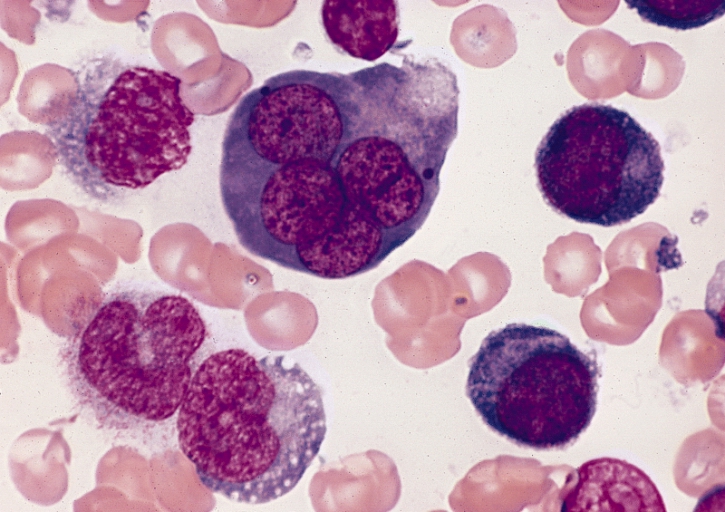
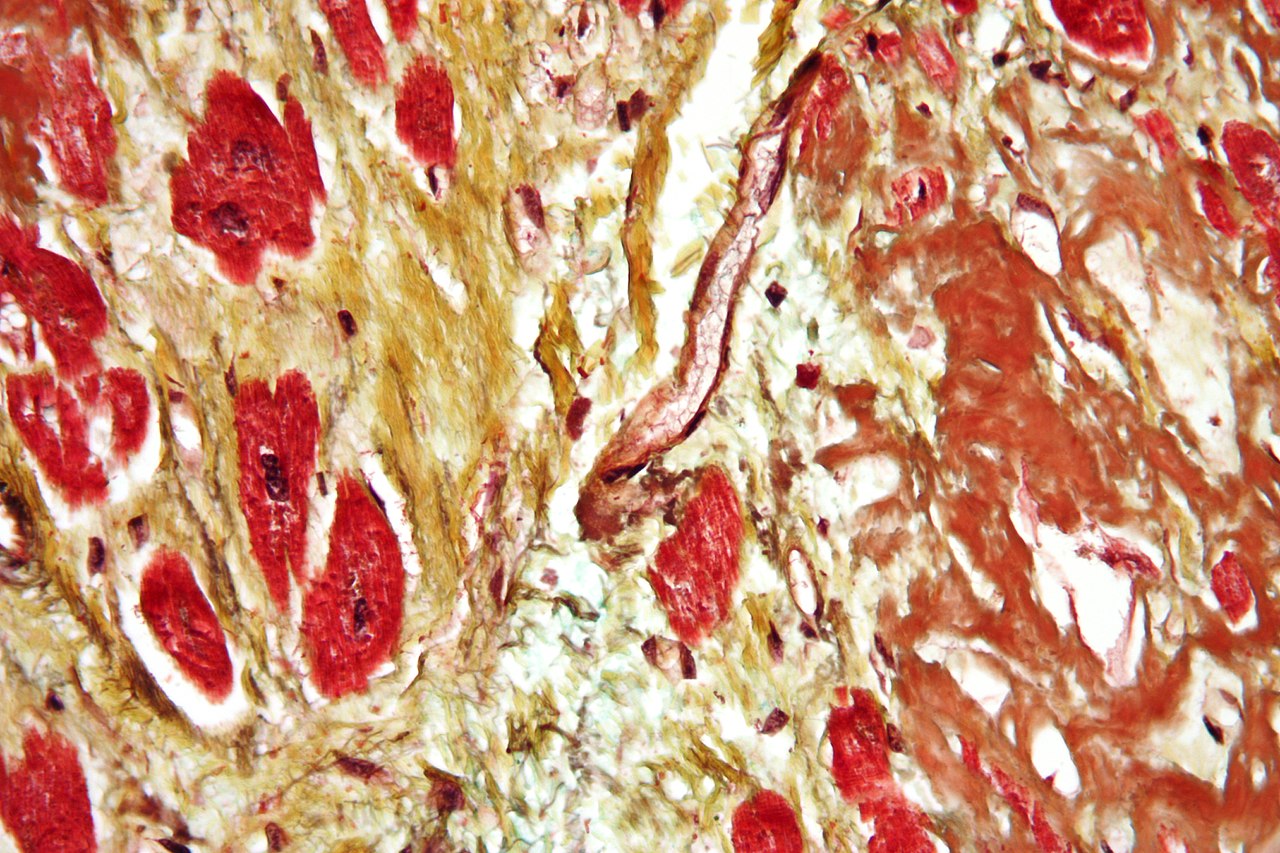
- Histology and microscopic examination of tissues using staining methods to reveal cellular changes.
- Cytology, the study of individual cells from body fluids or fine-needle aspirates.
- Chemical and biochemical tests for metabolites, enzymes and markers in fluids (chemical analysis).
- Autopsy, a postmortem examination performed to determine cause of death and document disease processes (autopsy).
- Molecular and immunologic methods that identify pathogens, mutations and protein expression.
Pathology is a rigorous science combining observation, standardized laboratory methods and interpretation. Reports from pathologists guide clinicians about diagnosis, prognosis, staging of cancers, and responses to therapy. In hospitals they form a central connection between clinical care and laboratory medicine; pathologists often collaborate closely with biochemists, microbiologists and other specialists.
Historically, pathology developed from early anatomical studies and grew with advances in microscopy and chemistry. Modern pathology now incorporates digital imaging, automated testing and molecular diagnostics, increasing speed and precision. Forensic pathology serves legal and public safety functions by clarifying causes of unexpected deaths.
Notable distinctions include the difference between diagnostic roles (such as surgical pathology) and investigative roles (forensic pathology). Quality assurance, safety procedures, and clear communication are essential because pathological findings directly affect patient care, public health reporting and scientific research.
Related articles
Author
AlegsaOnline.com Pathology: the medical study of disease and diagnosis Leandro Alegsa
URL: https://en.alegsaonline.com/art/75005