
Defecation: physiology, health, and sanitation
Defecation is the final stage of digestion when the body expels feces. This article covers physiology, stool characteristics, disorders, diagnostic uses, and public-health and cultural aspects.
Overview
Defecation is the physiological process by which an animal expels undigested residue and other waste products from the gastrointestinal tract as feces. It is the terminal act of digestion and involves coordinated activity of the intestines, rectum and anal sphincters. For broader context on digestive processes, see digestion and the role of the gastrointestinal tract.
Image gallery
10 Images


Physiology and characteristics
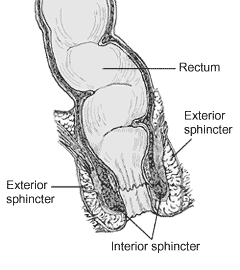
Feces are composed of water, undigested food material (mostly fiber), bacteria, sloughed intestinal cells and small amounts of metabolic waste. Passage begins when fecal matter enters the rectum and stimulates stretch receptors; a defecation reflex and voluntary relaxation of the external anal sphincter follow. Normal frequency varies widely among individuals, from multiple daily bowel movements to a few per week.
Common disorders and clinical relevance
Problems of defecation include constipation, diarrhea, fecal incontinence and outlet obstruction. Stool examination helps diagnose infections, malabsorption, gastrointestinal bleeding and inflammatory conditions. Tests include stool cultures, microscopy, fecal occult blood and analysis of gut microbiota; clinical guidance is often available through primary care and laboratory services (stool testing).
Sanitation, history and cultural aspects
Practices around defecation have shaped public health: latrine design, sewage systems and hygiene campaigns reduce disease transmission. Cultural norms influence privacy, posture and preferred facilities. Historical advances in sanitation greatly lowered infectious disease rates and remain a focus of global health programs.
Distinctions and notable facts
Terminology varies: "feces" and "faeces" are alternate spellings; "stool" is often used in clinical contexts. Nonhuman animals show diverse defecation patterns tied to diet and ecology, from concentrated pellets to large herbivore dung. Understanding defecation is important for medicine, nutrition, ecology and sanitation policy. For a brief note on spelling variants see feces/faeces.
Practical advice
- Maintain a balanced diet with adequate fiber and fluids to support regular bowel movements.
- Seek medical attention for persistent changes in frequency, blood in stool, severe pain or incontinence.
- Follow local public-health guidance for sanitation and hygiene to prevent infection spread.
Related articles
Author
AlegsaOnline.com Defecation: physiology, health, and sanitation Leandro Alegsa
URL: https://en.alegsaonline.com/art/26247