
Defence against predators: strategies, evolution, and examples
Comprehensive review of how animals and plants avoid being eaten: physical, chemical, behavioural and group defences, evolutionary causes, ecological roles, trade-offs and notable examples.
Overview
Predation is a major force shaping the form and behaviour of living organisms. For most species, avoiding being consumed — and surviving long enough to reproduce — is a central challenge. Threats include not only predators but also parasites and disease, which can reduce fitness and survival. Natural selection favours traits that reduce the risk of being killed or incapacitated, so across ecosystems a wide variety of defences has evolved.
Image gallery
10 Images



Major categories of defence
Defensive adaptations fall into several broad types. These often act together in the same species and can be structural, chemical, behavioural or social. Common categories include:
- Physical defences: hard shells, thick hides, spines and quills provide mechanical protection or make handling by a predator difficult.
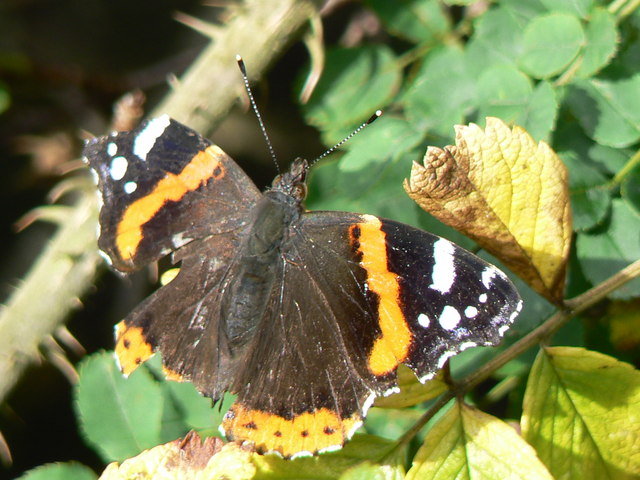
- Concealment and deception: camouflage, disruptive patterns, and masquerade reduce detection; startling displays or false eyespots can deter an attack once the predator is close.
- Chemical defences: toxins, distasteful secretions and warning colours (aposematism) discourage predators from eating an animal or plant.
- Behavioural defences: flight, freezing, alarm calls, distraction displays and burying are immediate responses that reduce risk.
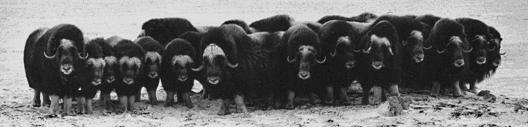
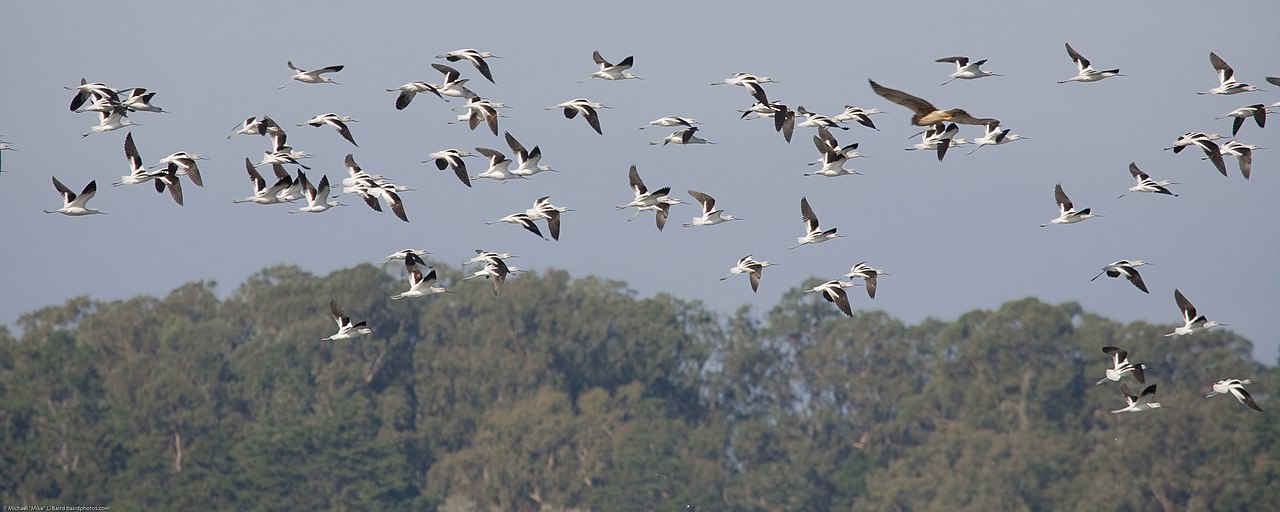
- Group defences: flocking, herding, schooling and mobbing dilute individual risk, improve detection, and sometimes physically repel attackers.
- Physiological and immune defences: resistance to parasites and pathogens reduces indirect mortality and supports overall survival.
How these defences work — with examples
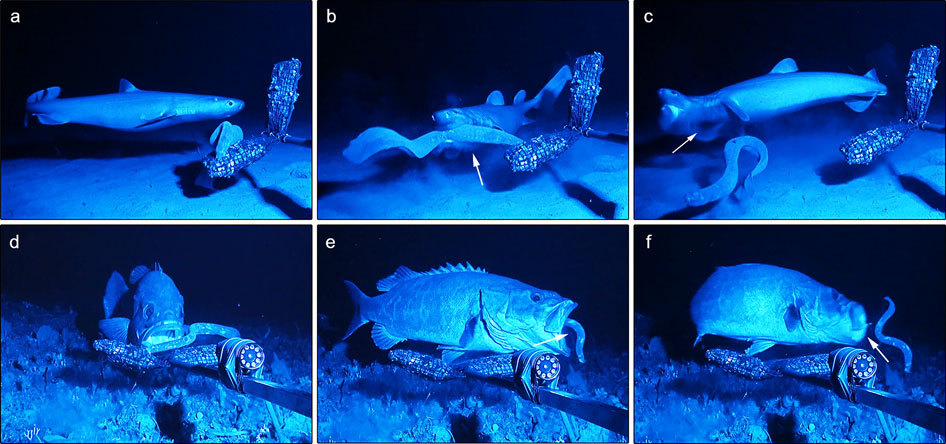
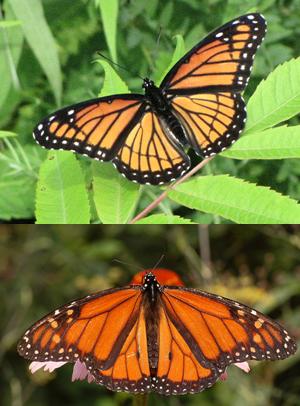
Defences operate at different stages of a predator–prey interaction. Camouflage helps prey avoid detection; evasive behaviours prevent pursuit; armour reduces the chance an attack is fatal; and chemical deterrents can teach predators to avoid certain prey species in future encounters. Well-known examples include porcupine quills and tortoise shells (mechanical), monarch butterfly toxicity and skunk spray (chemical), schooling fish (group defence), and crypsis in many insects and reptiles (camouflage).
Evolutionary dynamics and trade-offs
Defensive traits evolve under trade-offs. Resources invested in armour, toxins or vigilance are not available for growth or reproduction, so there is a balance between defence and other life-history needs. Predators and prey often coevolve: improvements in prey defence can select for better predator detection, handling skills or resistance to toxins. Some defences are inducible, produced only after an attack or when predators are present, which can reduce costs when threats are rare.
Defence in plants and ecological importance
Plants face herbivores rather than active predators but have analogous defences. Thorns, tough leaves, and secondary chemicals reduce consumption and can lower herbivore fertility. These plant defences influence food webs, species distributions and ecosystem processes, and they are important in agriculture and conservation: understanding them helps manage pests and protect endangered species.
Notable considerations and further reading
Defence strategies are diverse and context-dependent. Behaviour, morphology and chemistry interact with environment, life span and social structure to shape effectiveness. For concise introductions and specific topics, see summaries on diseases and parasites (parasites and disease), life-history theory (reproduction and survival), natural selection (selection processes) and population renewal (generational change). For plant herbivory and comparative defence strategies see plant defences and general herbivory overviews at herbivory resources.
Understanding defence against predators integrates behaviour, physiology, ecology and evolution. Its study explains many striking adaptations in nature, from cryptic insects to chemically defended amphibians, and informs conservation and management where human actions alter predator–prey dynamics.
Questions and answers
Q: What is the main purpose of defence mechanisms in animals?
A: The main purpose of defence mechanisms in animals is to protect them from predators, parasites, and diseases that could be fatal.
Q: How do these defences help with reproduction?
A: These defences help with reproduction by keeping the animal alive long enough for it to reproduce and create the next generation.
Q: Are plants also affected by predation?
A: Yes, plants can also be affected by predation through herbivory which can reduce a plant's fertility.
Q: Do plants have any defences against herbivores?
A: Yes, many plants have some form of defence against herbivores.
Q: What are some examples of animal defence mechanisms?
A: Examples of animal defence mechanisms include camouflage, mimicry, warning colours or patterns, defensive structures like spines or thorns, and aggressive behaviours such as fighting or fleeing.
Q: Do all animals have the same type of defence mechanism? A: No, different animals may use different types of defence mechanisms depending on their environment and needs.
Related articles
Author
AlegsaOnline.com Defence against predators: strategies, evolution, and examples Leandro Alegsa
URL: https://en.alegsaonline.com/art/26249
Sources
- britannica.com : britannica.com