
Reincarnation (Rebirth and Transmigration)
Belief that a life-principle begins a new life after death. Covers core ideas, religious variations, karma and liberation concepts, historical development, and cultural significance.
Overview
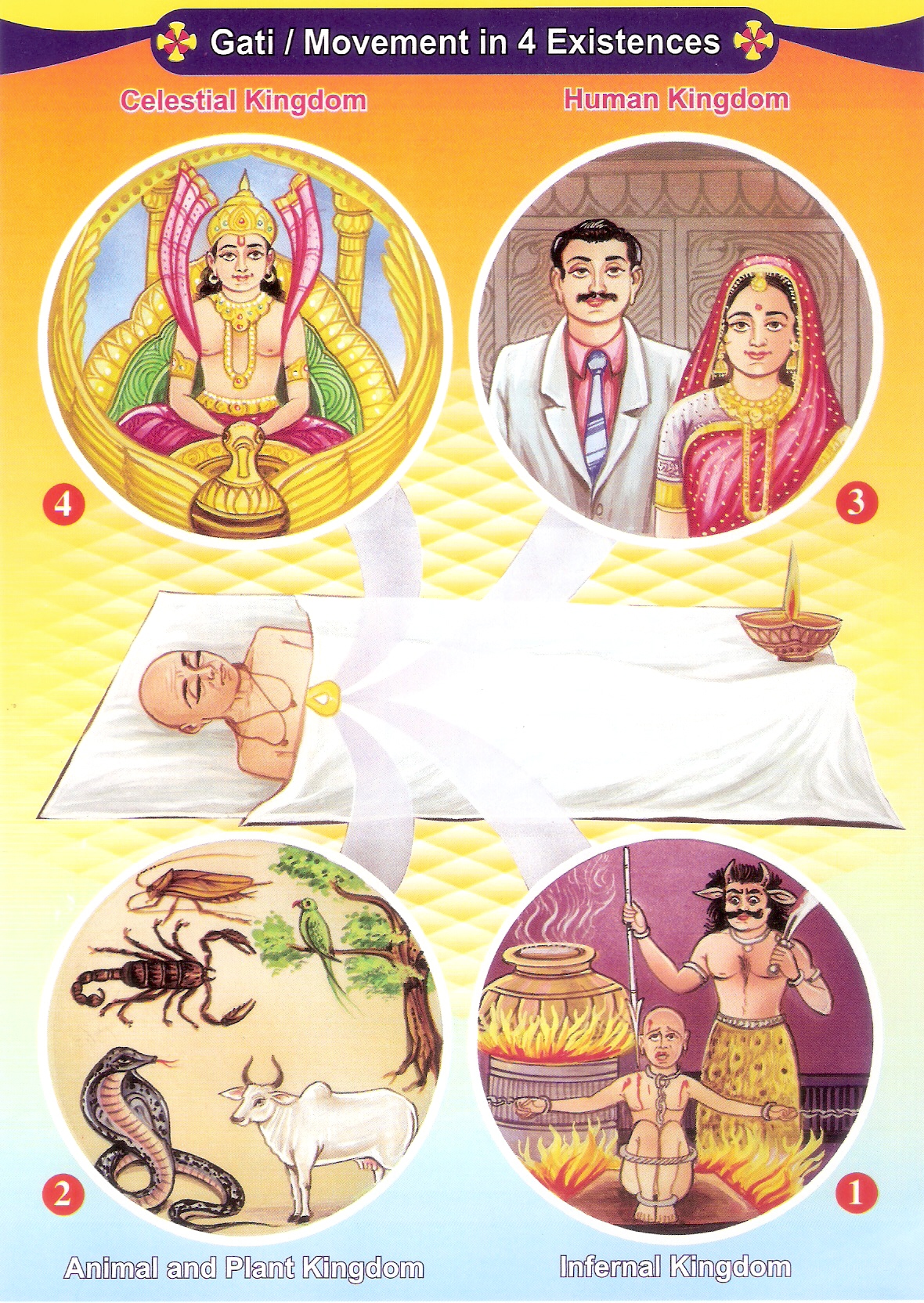
Reincarnation is the general term for the belief that a living being's existence continues in a new body or form after death, producing a cycle of successive lives. Some people use the words reincarnation, rebirth, or transmigration interchangeably. The idea can refer to a continuing soul that persists between lives or to a more impersonal process in which mental or karmic patterns reappear in a new birth. Scholars and practitioners often distinguish these variants when describing the doctrine; for a concise introduction see core definitions.
Image gallery
10 Images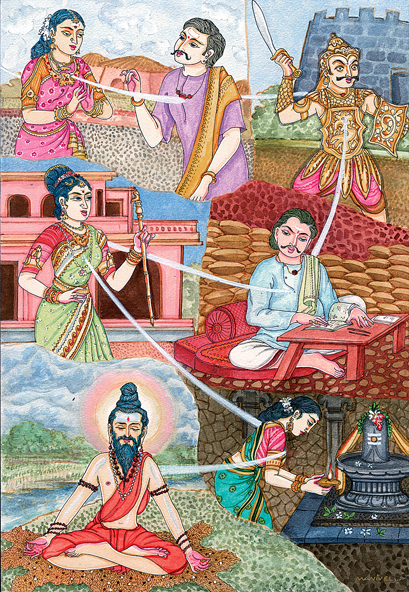




Conceptual variations
Different traditions explain what is carried from one life to the next in different ways. In some systems a permanent self or soul is reborn; in others no enduring soul survives and only causal or karmic continuities produce a new life. Terminology includes reincarnation, transmigration, metempsychosis and rebirth. Those who avoid the term "soul" often prefer words such as "rebirth" or "transmigration" to emphasize continuity without an eternal personal essence; see rebirth and transmigration.
Religious and cultural contexts
- Hindu traditions typically describe a cycle of saṃsāra (repeated birth and death) governed by karma and ended by liberation (moksha).
- Many forms of Buddhism teach rebirth while denying an unchanging self; the goal is release from saṃsāra through insight and ethical practice; an introduction appears at Buddhist rebirth.
- Jainism also affirms a cycle of birth and death linked to karmic particles attached to the soul; see Jain perspectives.
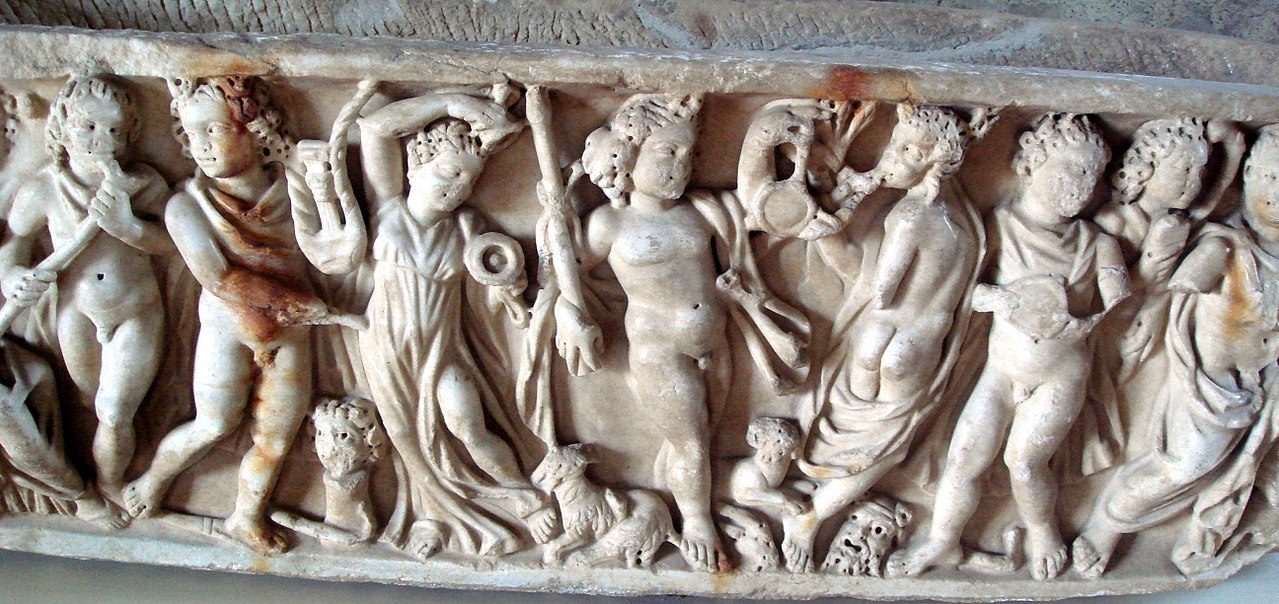
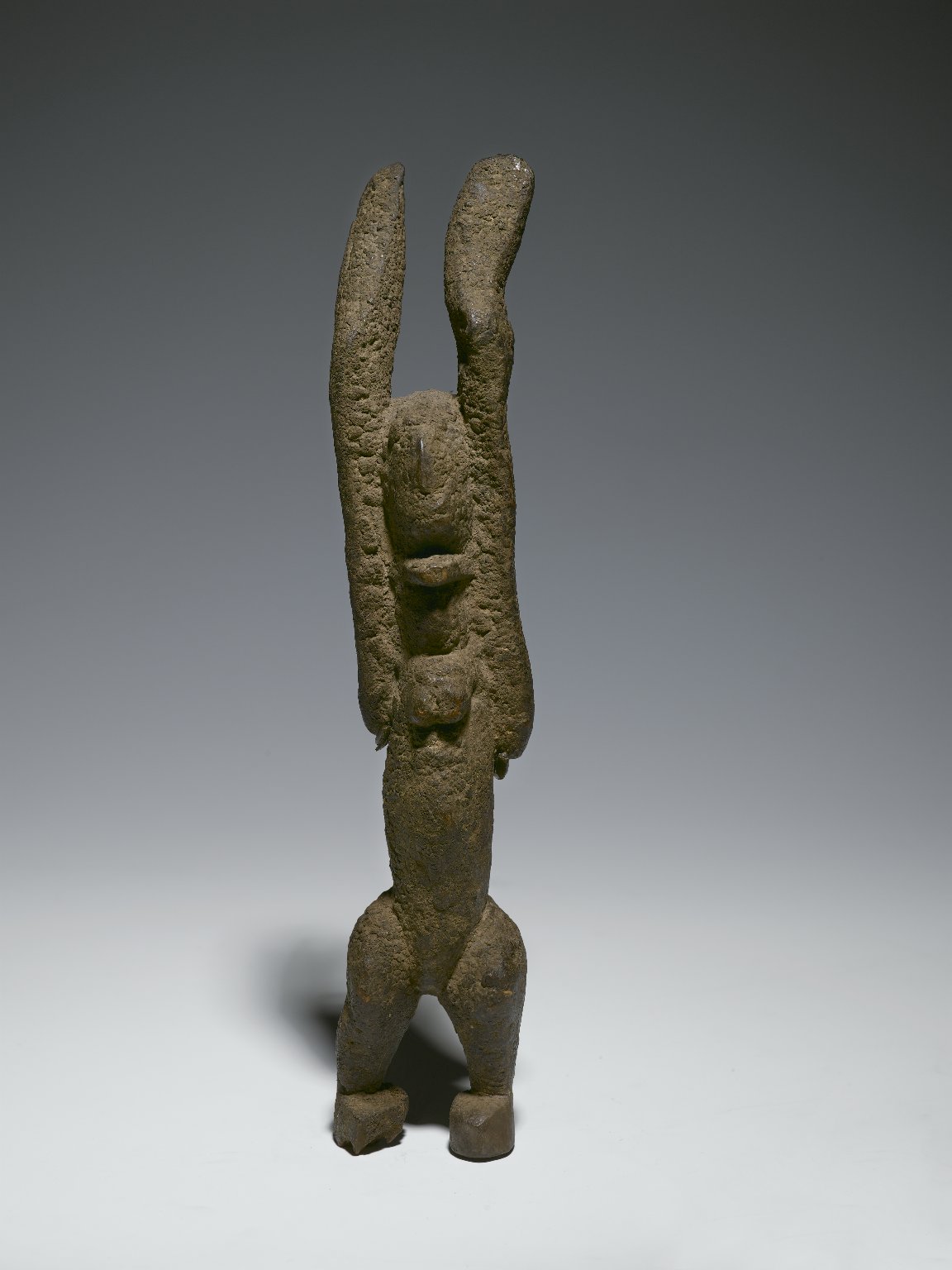
- Versions of reincarnation or related ideas occur in diverse contexts, including some African, Indigenous, and modern New Age movements, and in folklore of Europe and elsewhere.
The words used in English reflect older roots: incarnate and reincarnate draw on Latin and imagery of entering flesh. Different languages and religions have their own technical vocabulary for the processes, moral implications, and paths to liberation.
Key ideas: karma, samsara, liberation
Karma commonly denotes ethical cause and effect: actions influence future circumstances and future births. Saṃsāra names the ongoing cycle of births; many traditions teach that spiritual practice, ethical living, and insight can break the cycle. What counts as liberation varies: moksha, nirvāṇa, and kevala represent different doctrinal goals in Hinduism, Buddhism, and Jainism respectively.
Uses, cultural influence, and modern discussion
Belief in reincarnation shapes rites, ethical conduct, attitudes toward death, and social ideas about justice and learning. In contemporary cultures it appears in literary and cinematic themes, in therapeutic and New Age practices, and in scientific interest in alleged past-life memories or cases of apparent continuity. Academic study treats such accounts cautiously and examines their social and psychological contexts rather than assuming metaphysical truth.
Notable distinctions and facts
- Not all traditions that speak of multiple lives agree on what persists between lives.
- Some systems emphasize moral causation (karma) while others highlight ritual, doctrine, or insight as the route out of the cycle.
- Terminology—reincarnation, rebirth, transmigration, metempsychosis—reflects different historical and philosophical backgrounds rather than a single unified doctrine.
Overall, reincarnation is a broad family of ideas about life, death, and continuity that has appeared independently in multiple cultures and continues to influence religion, ethics, and popular thought today.
Questions and answers
Q: What is reincarnation?
A: Reincarnation is the belief that people are born again in another body after they die.
Q: What is rebirth?
A: Rebirth, or transmigration, is the preferred term for those who do not believe in eternal souls.
Q: Who believes in reincarnation?
A: Hindus, Jainists, Celtic pagans, Buddhists, and people who follow some African religions believe in reincarnation.
Q: What does "carnate" mean?
A: Carnate means "of flesh".
Q: What does "reincarnate" mean?
A: Reincarnate means to "reenter the flesh".
Q: What is the cycle of reincarnation?
A: The cycle of reincarnation is the continuous process of being born again in a new body after death, which continues over many lifetimes.
Q: What is the difference between reincarnation and rebirth?
A: Reincarnation refers to being born again in a new body after death, while rebirth, or transmigration, is the belief in being reborn in a new form or existence.
Related articles
Author
AlegsaOnline.com Reincarnation (Rebirth and Transmigration) Leandro Alegsa
URL: https://en.alegsaonline.com/art/81972
Sources
- books.google.com : Parapsychology: Research on Exceptional Experiences
- himalayanacademy.com : himalayanacademy.com