
Cook Strait (Te Moana-o-Raukawa)
The channel separating New Zealand's North and South Islands, linking the Tasman Sea to the South Pacific; noted for strong currents, variable weather, and regular ferry services.
Overview
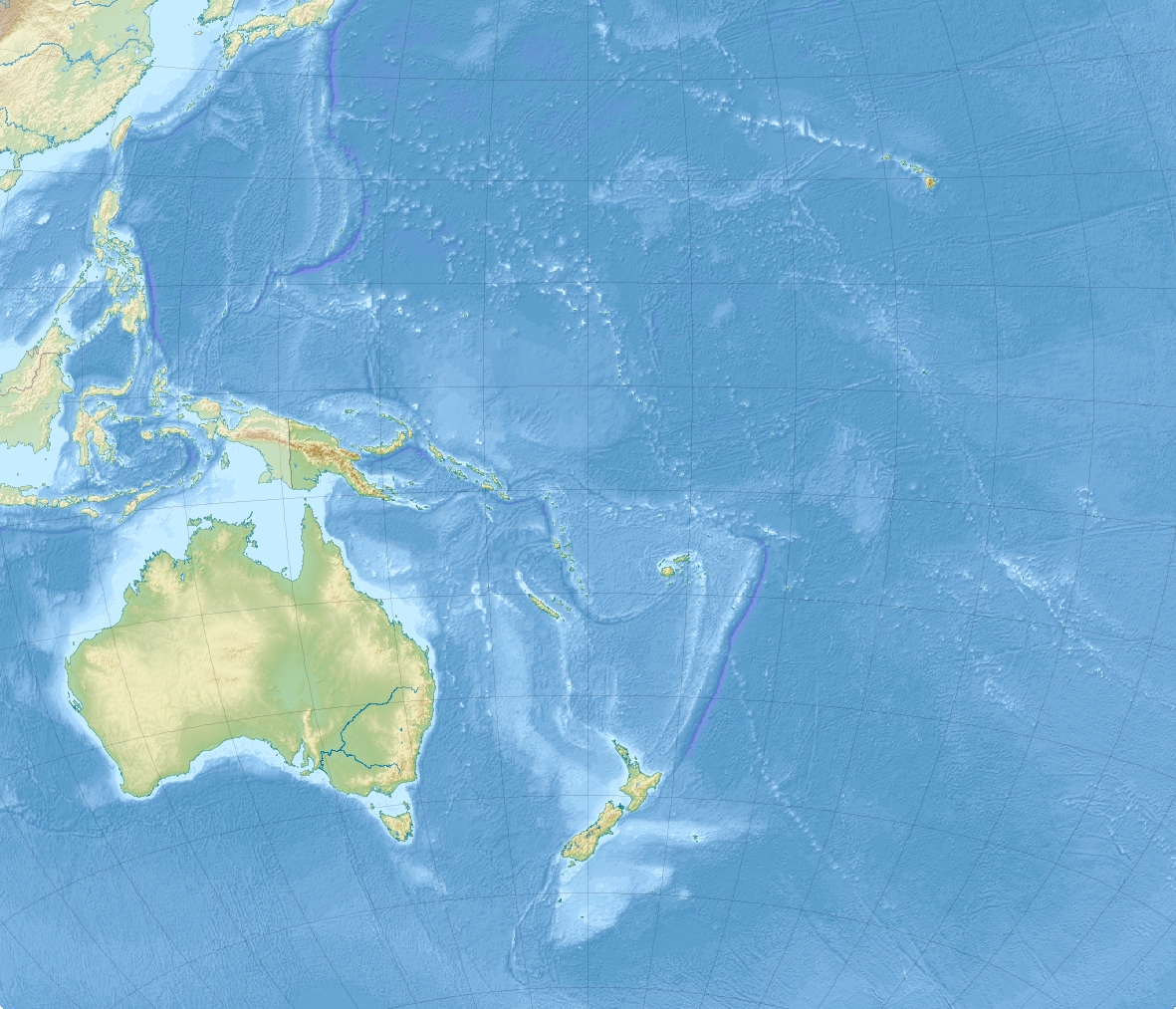
Cook Strait, known in Māori as Te Moana-o-Raukawa, is the stretch of sea between the North and South Islands of New Zealand. It forms the marine connection from the Tasman Sea on the west to the South Pacific Ocean on the east. The channel is an important geographic feature for national transport, fisheries and ocean circulation.
Image gallery
9 Images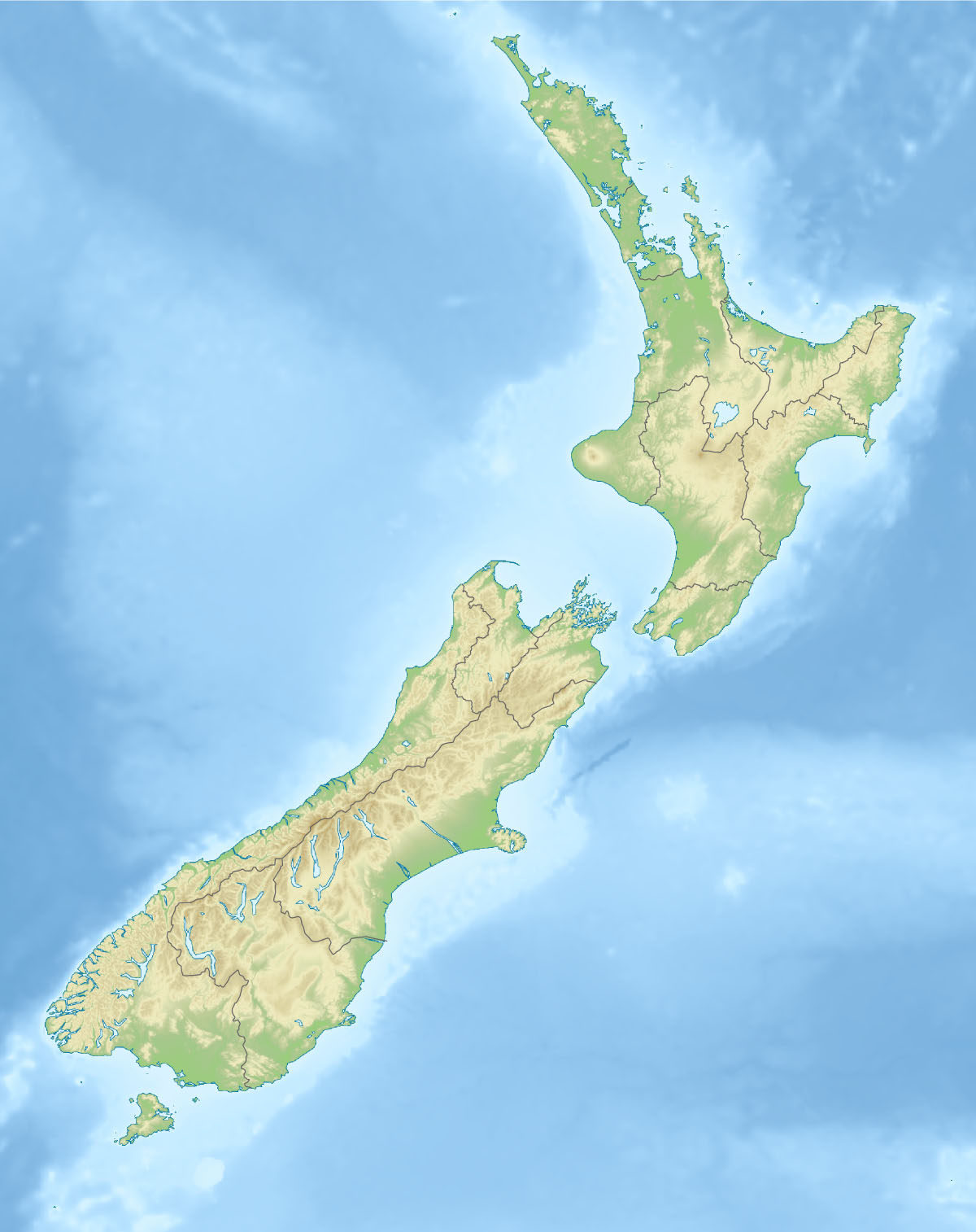


Geography and oceanography
The strait itself (often called Cook Strait) is relatively shallow compared with adjacent deep oceans, with an average depth commonly cited around 128 metres. Strong tidal flows, complex bathymetry and a narrow passage between landmasses produce energetic currents and frequent eddies. Those oceanographic conditions influence local water temperature, nutrient upwelling and marine life distribution.
History and name
The European name commemorates the explorer James Cook, the first known European to navigate the channel. The Māori name reflects indigenous knowledge of the area and its significance for coastal navigation and resource gathering. Both names are used in maps, guides and official place names.
Navigation, hazards and crossings
Cook Strait is famous for its unpredictable conditions: complex tidal patterns combine with rapidly changing weather to create rough seas, strong cross-currents and occasional heavy swells. These factors make passage challenging for small craft and require careful planning for commercial and recreational vessels.
- Regular passenger and freight ferries operate across the strait; the most common connection is by ferry, providing an alternative to air transport.
- Navigation aids, pilotage services and up-to-date weather forecasts are important for safety.
Ecology and human importance
The mixing of waters supports productive fisheries and varied marine habitats. The strait's currents and coastline are also significant for seabirds, marine mammals and coastal communities. Recreational activities include fishing, boating and scenic crossings, while scientific research uses the area to study coastal processes and climate influences.
Notable facts
Despite its modest width relative to open ocean distances, Cook Strait exerts a strong influence on regional climate and marine transport routes. Its combination of cultural significance, natural power and economic utility makes it one of New Zealand's most important maritime landscapes.
Related articles
Author
AlegsaOnline.com Cook Strait (Te Moana-o-Raukawa) Leandro Alegsa
URL: https://en.alegsaonline.com/art/22872