
Ferry (water transport vessel)
A ferry is a vessel that carries passengers, vehicles and cargo across rivers, lakes and seas. This article covers types, design, routes, public-transport roles, safety, and notable incidents.
Overview
A ferry is a vessel used to carry passengers, vehicles or cargo across bodies of water. Ferries may be simple boats or large ships operating scheduled services. Typical crossings include short links across rivers and lakes as well as longer routes over seas and coastal channels. The term also describes the act of transporting people or goods in this way, and services range from commuter crossings to overnight sea voyages.
Image gallery
10 Images


Types and characteristics
Ferries are built for different tasks and capacities. Common categories include:
- Passenger ferries — dedicated to people, sometimes carrying bicycles and light luggage.
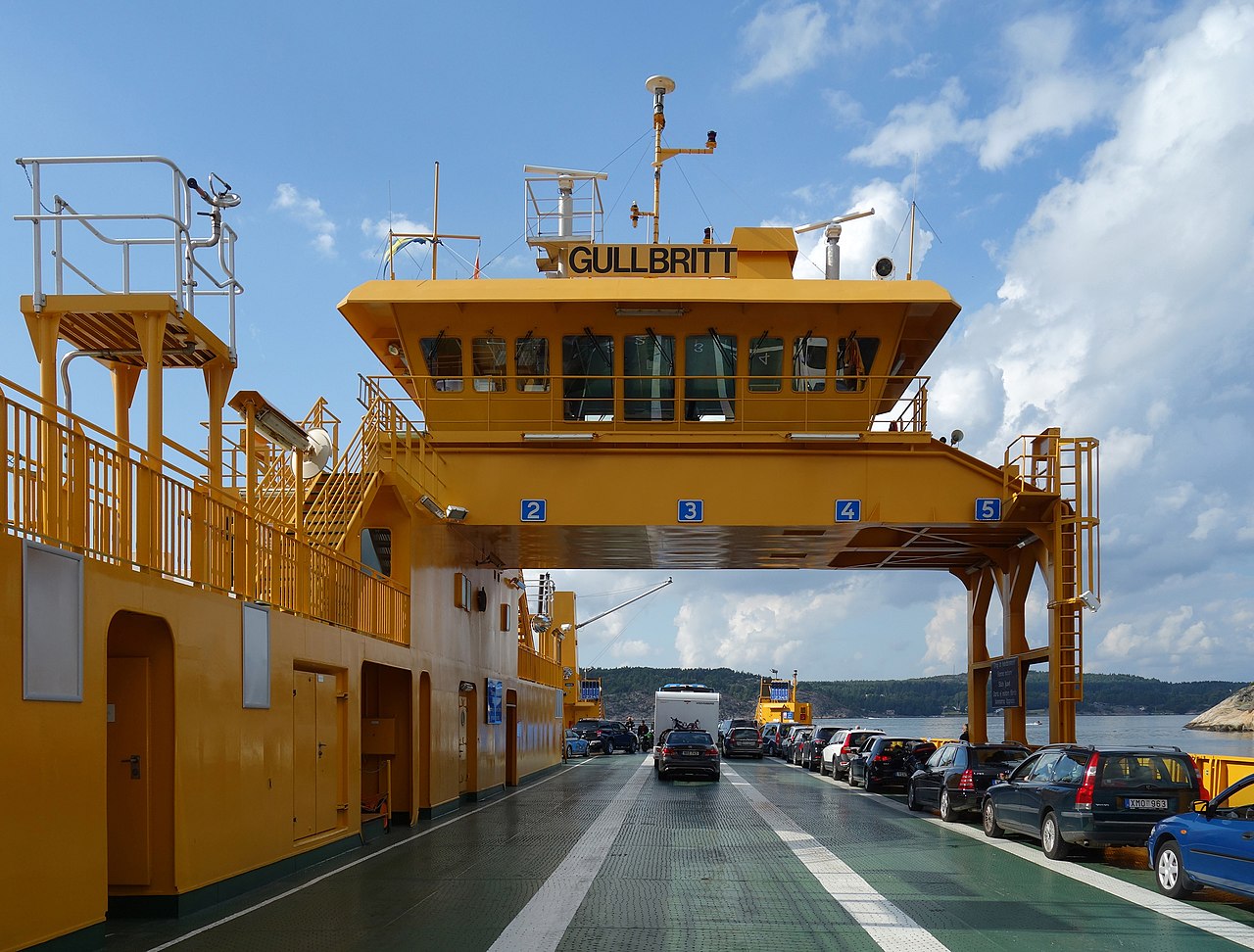
- Vehicle ferries — roll-on/roll-off vessels designed for cars, buses and trucks using ramps and decks.
- Train or rail ferries — ships fitted with rail tracks that allow rolling trains to be loaded directly.
- High-speed and commuter ferries — catamarans or hydrofoils optimized for quick crossings.
Operation and routes
Ferries serve communities where crossing by road or rail is impractical, missing or indirect. They are an important element of public transport and connect locations without roads, railways or tunnels. In island and remote regions a ferry may be the principal link when there is no airport or regular air service. Services operate on fixed timetables, on demand, or seasonally; some are subsidized and free to users, while others are commercial and fare-based.
Design features and equipment
Design depends on route length, sea conditions and cargo type. Many ferries use bow or stern ramps and vehicle decks for efficient loading and unloading. Ro-Ro (roll-on/roll-off) and Ro-Pax (combined roll-on/roll-off passenger) arrangements are common for mixed traffic. Larger vessels include passenger lounges, cabins, freight spaces and safety systems required by maritime authorities. Hull form, propulsion and stability measures are chosen to suit crossings of rivers, lakes and seas.
Safety and notable incidents
Safety regulations govern construction, lifesaving equipment, navigation and crew training. Accidents have led to changes in procedures and ship design. A widely known example is the 1987 disaster involving the Herald of Free Enterprise near Zeebrugge, when water entered through open bow doors and the vessel capsized, causing many fatalities. That incident prompted reviews of safety management, checklists and watertight integrity on roll-on/roll-off ferries.
Context and distinctions
Ferries operate on rivers, lakes and seas and differ from other maritime services such as long-distance liners or private charters by their frequent, scheduled crossings and emphasis on rapid turnaround. The verb "to ferry" refers to the transport action itself. For further context on the environments where ferries operate, see related resources on water crossings, seas, lakes and rivers.
Related articles
Author
AlegsaOnline.com Ferry (water transport vessel) Leandro Alegsa
URL: https://en.alegsaonline.com/art/34098