
Strait (narrow sea channel)
A strait is a natural, narrow waterway linking two larger bodies of water. It has distinctive physical, economic and legal features and many straits are key shipping chokepoints.
Overview
A strait is a naturally formed, relatively narrow channel of water that links two larger bodies of water, such as seas or oceans. By connecting marine basins, a strait serves as a passage for ships, water exchange and marine life. The term emphasizes a constriction in the coastline that shapes currents, depth and navigation. For a basic definition see the concept of a channel.
Image gallery
4 Images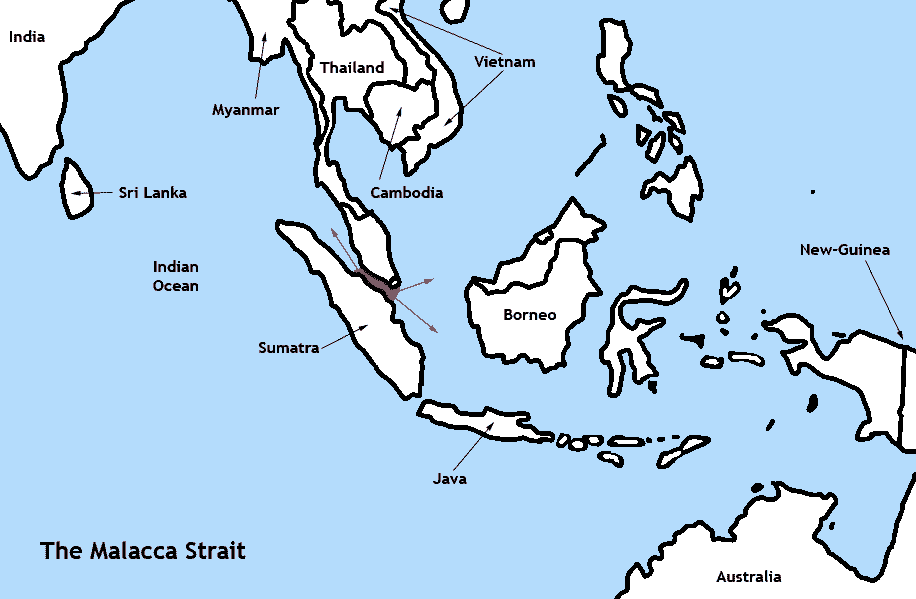


Characteristics
Straits vary widely in width, depth and length. Some are broad and deep enough for large vessels, others are narrow, shallow or winding. Common physical features include strong tidal currents, variable salinity where different bodies mix, seabed hazards, and sometimes islands or sill formations that affect water flow. Many straits are subject to seasonal weather and ice conditions.
History, geopolitics and law
Because they concentrate maritime traffic, straits often have major economic and strategic importance. Control of a key passage can influence trade, military mobility and regional power, which is why some have been the focus of conflicts and blockades throughout history. Their strategic role has produced international rules: important navigable straits used for international passage are regulated by customary practice and treaties to balance coastal state rights and the freedom of navigation. States and commentators frequently describe such waterways as strategically important, and competition over them has sometimes led to wars or diplomatic crises.
Uses and examples
Major commercial shipping routes often run through straits because they provide the shortest or safest path between oceans and seas. Well-known examples include the Strait of Gibraltar, the Bosporus and Dardanelles, the Strait of Hormuz, and the Strait of Malacca. Beyond navigation, straits are important for fisheries, regional climate and as corridors for undersea cables and pipelines that connect continents.
Distinctions and notable facts
Straits are natural waterways and should not be confused with rivers or artificial canals: rivers are fresh water flowing primarily in one direction, while canals are manmade. Local names vary—terms like "sound", "passage" or "channel" may describe similar features in different regions. Because of their ecological, economic and political roles, straits attract attention from mariners, environmental scientists and policymakers alike.
Questions and answers
Q: What is a strait?
A: A strait is a narrow channel of water between two land areas that connects two bodies of water.
Q: What often connects two seas?
A: Straits often connect two seas.
Q: Why are straits economically and strategically important?
A: Straits are economically and strategically important because they may be part of important shipping routes and someone who controls a strait can control the shipping.
Q: Have wars been fought to control straits?
A: Yes, wars have been fought to control straits.
Q: Are rivers and canals straits?
A: No, rivers and canals are not straits. Although they may connect two large lakes or a lake and a sea, they are much smaller and do not have water running in a single direction.
Q: How can controlling a strait affect shipping?
A: Controlling a strait can affect shipping because it allows the person controlling it to dictate the conditions and terms of passage, potentially disrupting the flow of goods and people.
Q: Can a strait be wide?
A: Yes, a strait can be wide. Although they are narrow in comparison to the surrounding landmasses, they may still be quite expansive.
Related articles
Author
AlegsaOnline.com Strait (narrow sea channel) Leandro Alegsa
URL: https://en.alegsaonline.com/art/94163