
Cordillera Administrative Region (Philippines)
Highland region in northern Luzon, Philippines, comprising six provinces and the regional center Baguio; noted for mountainous terrain, indigenous cultures, rice terraces and biodiversity.
Overview
The Cordillera Administrative Region is an administrative region in the northern part of the Philippines. It occupies a large portion of the central mountain range of Luzon and has Baguio as its regional center (Baguio), a city that serves as the main hub for government, education and tourism in the highlands.
Image gallery
10 Images


Geography and environment
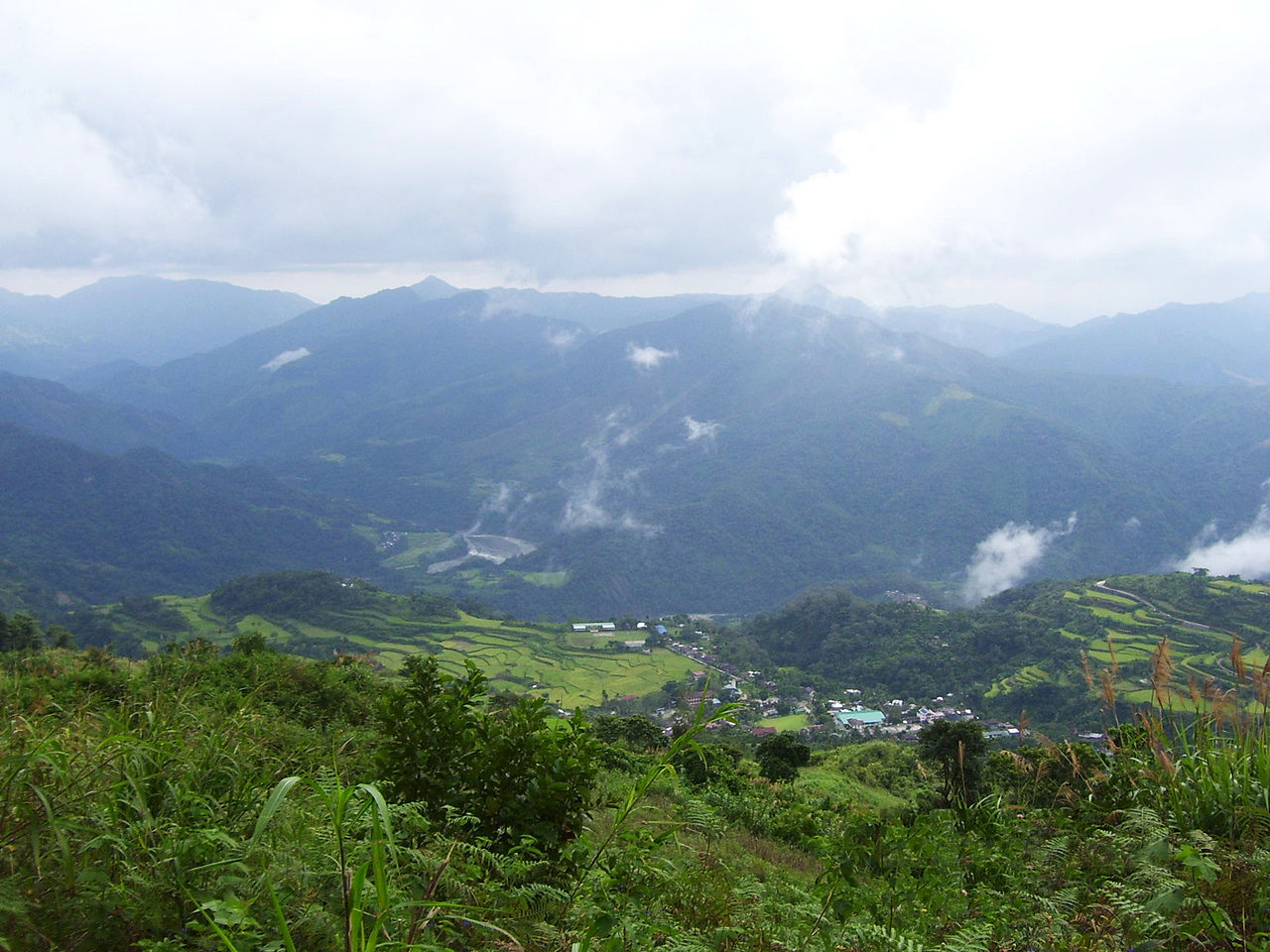
The region is predominantly mountainous with deep valleys, river systems and high plateaus. Its highest summit on Luzon, Mount Pulag, overlooks grasslands and mossy forests. Major rivers such as the Chico and Abulog cut through steep terrain and sustain agricultural terraces and lowland plains. Protected areas and national parks conserve both montane and lowland species.
Provinces and administrative structure
Created in 1987 as a distinct administrative unit, the Cordillera is composed of six provinces that each retain local governments and distinct cultural identities. These provinces are commonly listed as:
- Abra
- Apayao
- Benguet
- Ifugao
- Kalinga
- Mountain Province
History, peoples and culture
The Cordillera area is home to various indigenous groups, often referred to collectively as Igorot peoples, each with their own languages, rituals and social systems. Rice cultivation on steep slopes produced the famous terrace landscapes and shaped local customs. Throughout the 20th century and into the present, communities in the region have balanced traditional practices with modern governance and development initiatives.
Economy, tourism and notable features
The regional economy blends agriculture (including highland vegetables and rice terraces), forestry, small-scale mining and growing tourism. Tourist attractions include the dramatic carved terraces of Ifugao, scenic peaks such as Mount Pulag, and municipal parks and reserves like Cassamata Hill and Balbalasang-Balbalan. The Banaue rice terraces and related cultural landscapes are internationally recognized for their historical and aesthetic value.
Distinctive aspects and contemporary issues
Cordillera stands out for its rugged geography, rich indigenous heritage and a pattern of local autonomy and identity distinct from surrounding lowland provinces. Contemporary concerns include sustainable land use, protection of cultural sites, infrastructure for remote communities and managing tourism so that it benefits local residents while preserving natural and cultural resources.
For further administrative details and regional programs consult official regional resources and local government offices.
Related articles
Author
AlegsaOnline.com Cordillera Administrative Region (Philippines) Leandro Alegsa
URL: https://en.alegsaonline.com/art/23055
Sources
- psa.gov.ph : "Cordillera Administrative Region (CAR)"