
North Island (Te Ika a Māui) — New Zealand's northern main island
A concise overview of New Zealand's North Island (Te Ika a Māui): geography, cities, volcanic landscape, population distribution, cultural significance and economic features.
The North Island is the smaller of New Zealand's two principal islands and forms the northern part of the country of New Zealand. It lies across the Cook Strait from the South Island and covers roughly 113,729 square kilometres, making it one of the world's larger islands and commonly ranked among the largest global islands (ranked lists). Its Māori name, Te Ika a Māui, recalls a traditional account in which the demigod Māui is said to have fished the island up from the sea.
Image gallery
10 Images


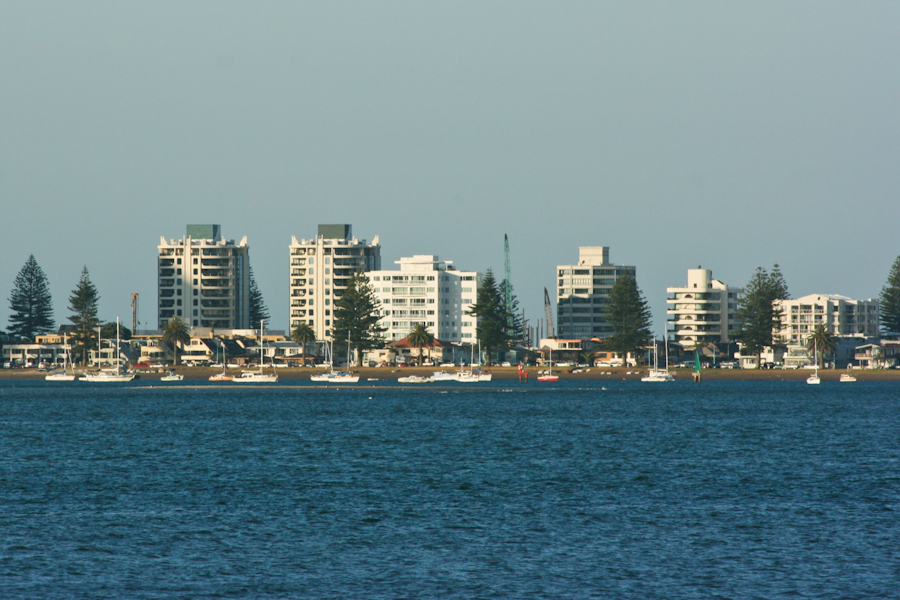
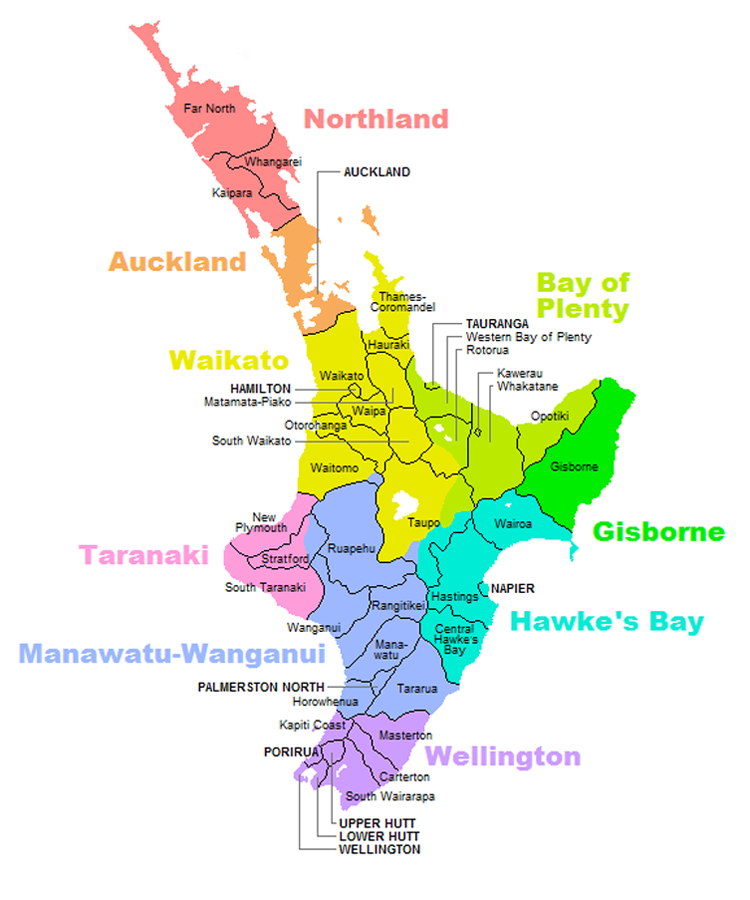
Geography and geology
The North Island has a varied landscape: sandy beaches and coastal plains, rolling farmland, and a central volcanic plateau. Active and dormant volcanoes such as those around the Taupō and Rotorua areas and peaks like Mount Ruapehu and Mount Taranaki shape both scenery and soils. Rivers such as the Waikato flow westward into the Tasman Sea, and the island's climate tends to be milder and warmer than much of the South Island, with subtropical influences in the far north.
Population, cities and regions
About three quarters of New Zealand's people live on the North Island, making it the country's demographic and political heart. Major urban centres include Auckland — the largest city and principal economic hub — and Wellington, the national capital at the island's southern end. Other important cities are Hamilton, Tauranga, Napier, New Plymouth, Rotorua and Palmerston North.
- Auckland — international gateway and finance centre.
- Wellington — seat of government and cultural institutions.
- Regional centres — support agriculture, tourism and services.
History and cultural significance
The North Island has been the homeland of many Māori iwi (tribes) for centuries and remains a strong focal point for Māori language, arts and customary practice. European settlement intensified in the 19th century, bringing new industries, urban growth and transport links. Māori and Pākehā (European-descended New Zealanders) histories are intertwined across the island's towns and landscapes.
Economy, uses and notable features
Economic activity on the North Island includes agriculture (dairy, sheep, horticulture), forestry, manufacturing and a growing services and technology sector concentrated around urban areas. Geothermal fields are exploited for energy generation in places such as Rotorua and Taupō. Tourism is important too: the island's beaches, geothermal parks, national parks and cultural sites attract domestic and international visitors.
Distinguishing facts
Compared with the South Island, the North Island is more densely populated, has a larger proportion of urban residents, and features more pervasive volcanic and geothermal activity. The island's multiple roles — cultural heartland for Māori, centre of government in Wellington, and economic hub around Auckland — make it central to New Zealand's national identity and daily life.
Further reading and resources: general country pages and regional guides provide up-to-date statistics and practical information; see national and regional authorities for the latest population and economic data (Māori cultural sources, national overview, and other regional entries such as island rankings).
Questions and answers
Q: Which is the smaller of the two main islands of New Zealand and what separates it from the bigger island?
A: The North Island is the smaller of the two main islands of New Zealand and it is separated from the South Island by Cook Strait.
Q: What is the area of the North Island?
A: The North Island is 113,729 square kilometres (43,911 sq mi) in area, making it the world's 14th-largest island.
Q: What is the population of the North Island?
A: The North Island has a population of 3,287,600 (June 2009).
Q: What is the Māori name for the North Island?
A: The Māori name for the North Island is Te Ika a Māui.
Q: How many cities are in the North Island and which is the biggest city?
A: Twelve cities are in the North Island. The biggest city is Auckland, New Zealand's largest city, which is in the northwestern part of the island.
Q: Which city is the capital of the North Island and where is it located?
A: Wellington is the capital of the North Island and it is located at the southern end of the island.
Q: What percentage of New Zealand's population live in the North Island?
A: About 76% of New Zealand's population live in the North Island.
Related articles
Author
AlegsaOnline.com North Island (Te Ika a Māui) — New Zealand's northern main island Leandro Alegsa
URL: https://en.alegsaonline.com/art/70886
Sources
- en.wikivoyage.org : North Island
- stats.govt.nz : Geography - physical features