
Coquimbo Region (Chile)
Coquimbo Region in north-central Chile: coastal plain, semi-arid interior valleys (Elqui, Limarí, Choapa). Capital La Serena; economy from mining, agriculture, fisheries and astronomy-related tourism.
Overview
The Coquimbo Region, known in Spanish as the IV Región de Coquimbo, is a coastal and near-interior region of Chile. It occupies a transition zone between the Pacific coast and the Andes with a mix of beaches, valleys and semi-arid hills. Its geographic coordinates are commonly given as 29°54′S 71°15′W. The regional capital is La Serena, a historic city located about 400 km north of Santiago.
Image gallery
7 Images




Geography and climate
Coquimbo combines narrow coastal plains, river valleys and rising foothills. Three principal longitudinal valleys — Elqui, Limarí and Choapa — channel seasonal rivers from the Andes toward the sea. The climate ranges from Mediterranean on the coast and valley floors to drier, semi-arid conditions inland. Coastal fogs (locally called camanchaca) moderate temperatures but rainfall is generally low, creating conditions suitable for irrigated agriculture and clear night skies prized by astronomers.
Administrative divisions and towns
The region is divided into provinces and numerous communes; among the better known urban centers are:
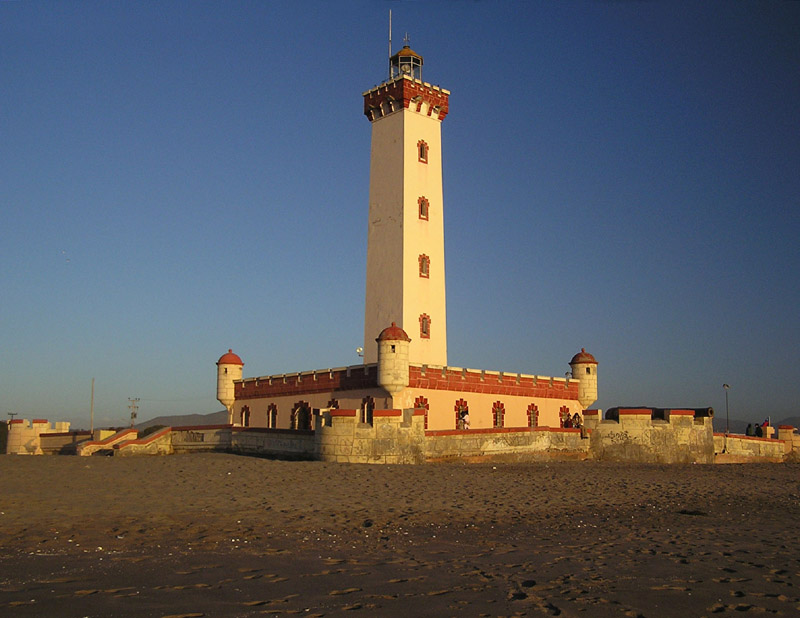
- La Serena — the administrative and cultural capital with colonial architecture and long beaches.
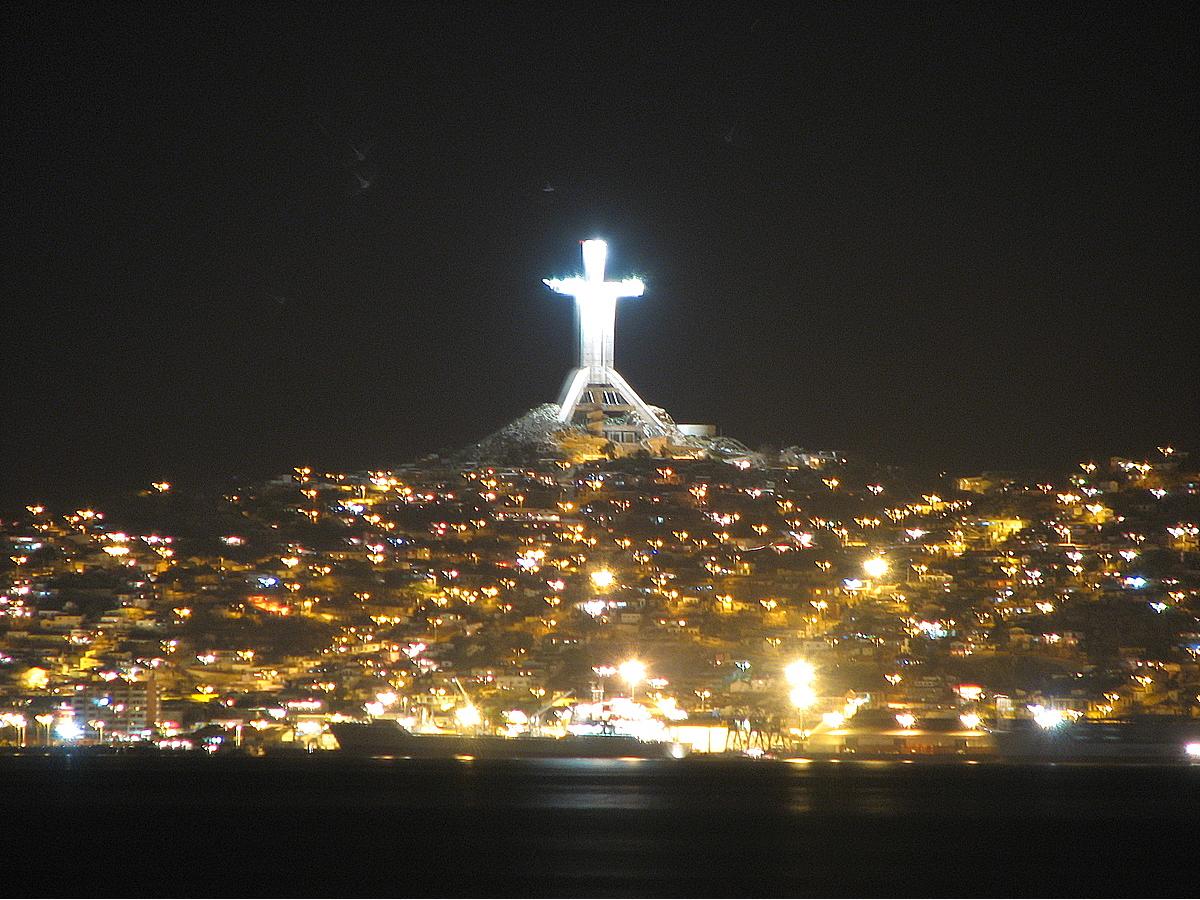
- Coquimbo — an important port and fishing center adjacent to La Serena.
- Ovalle — a commercial and agricultural hub in the Limarí valley.
History and culture
Human settlement in the area predates the Spanish conquest and included Diaguita and other indigenous groups who practiced irrigation and terrace agriculture in valley floors. Spanish colonial settlement established La Serena as an important administrative and religious center; its historic churches and stonework reflect that legacy. Contemporary culture blends rural agricultural traditions, coastal fisheries and urban services, with festivals celebrating local food, crafts and pisco production in the Elqui Valley.
Economy, science and tourism
The regional economy rests on several pillars: mining and mineral processing in Andean fringes, irrigated agriculture (fruits, grapes for pisco and wine), fisheries and port activity, and a growing tourism sector. The Elqui Valley is internationally known for distilled spirits and for clear skies that support both professional observatories and astro-tourism. Major astronomical installations such as Cerro Tololo and La Silla are located within the broader region and attract researchers and visitors alike. Visitors also come for beaches, surfing, nature reserves and historic urban architecture.
Notable facts
- Coquimbo's combination of clear nights and high-altitude sites makes it one of Chile's key astronomy regions.
- The Elqui Valley has developed a branded identity around pisco, wellness retreats and stargazing.
- Ports and fisheries in Coquimbo support both local consumption and export activity.
The Coquimbo Region is therefore a diverse area where coastal, agricultural and scientific activities coexist, offering economic opportunities and natural attractions that make it distinct within northern central Chile. For administrative context, see regional division references broadly listed under administrative divisions.
Additional information and local resources can be found via regional government and tourism portals often linked from general country guides; for transport and national connections La Serena serves as the primary regional hub for roads and services.
References to broader national context, maps and travel planning are commonly indexed through national geographic and administrative portals such as coordinates and regional data sources. For more on contemporary urban life and planning consult municipal pages for La Serena and the port city of Coquimbo.
Questions and answers
Q: What are the coordinates of the IV Coquimbo Region?
A: The coordinates of the IV Coquimbo Region are 29°54′S 71°15′W / 29.900°S 71.250°W / -29.900; -71.250.
Q: What is the capital city of the region?
A: The capital city of the IV Coquimbo Region is La Serena, located 400 km (249 mi) north of Santiago, Chile's capital city.
Q: What other cities are important in this region?
A: Other important cities in this region include the seaport Coquimbo and agricultural centre Ovalle.
Q: How far away is La Serena from Santiago?
A: La Serena is 400 km (249 mi) away from Santiago, Chile's capital city.
Q: What type of port is located in Coquimbo?
A: Coquimbo is a seaport located within the IV Coquimbo Region.
Q: What type of center is Ovalle? A: Ovalle is an agricultural center located within the IV Coquimbo Region.
Related articles
Author
AlegsaOnline.com Coquimbo Region (Chile) Leandro Alegsa
URL: https://en.alegsaonline.com/art/23002
Sources
- inecoquimbo.cl : "Región de Coquimbo"
- ine.cl : "Población país y regiones - Actualización 2002-2012 y Proyección 2013-2020"