
Māori language (Te Reo Māori): overview, history and contemporary use
Te Reo Māori is the indigenous language of the Māori people of New Zealand, an Eastern Polynesian (Austronesian) language. It is an official language and the subject of active revitalization efforts.
Overview
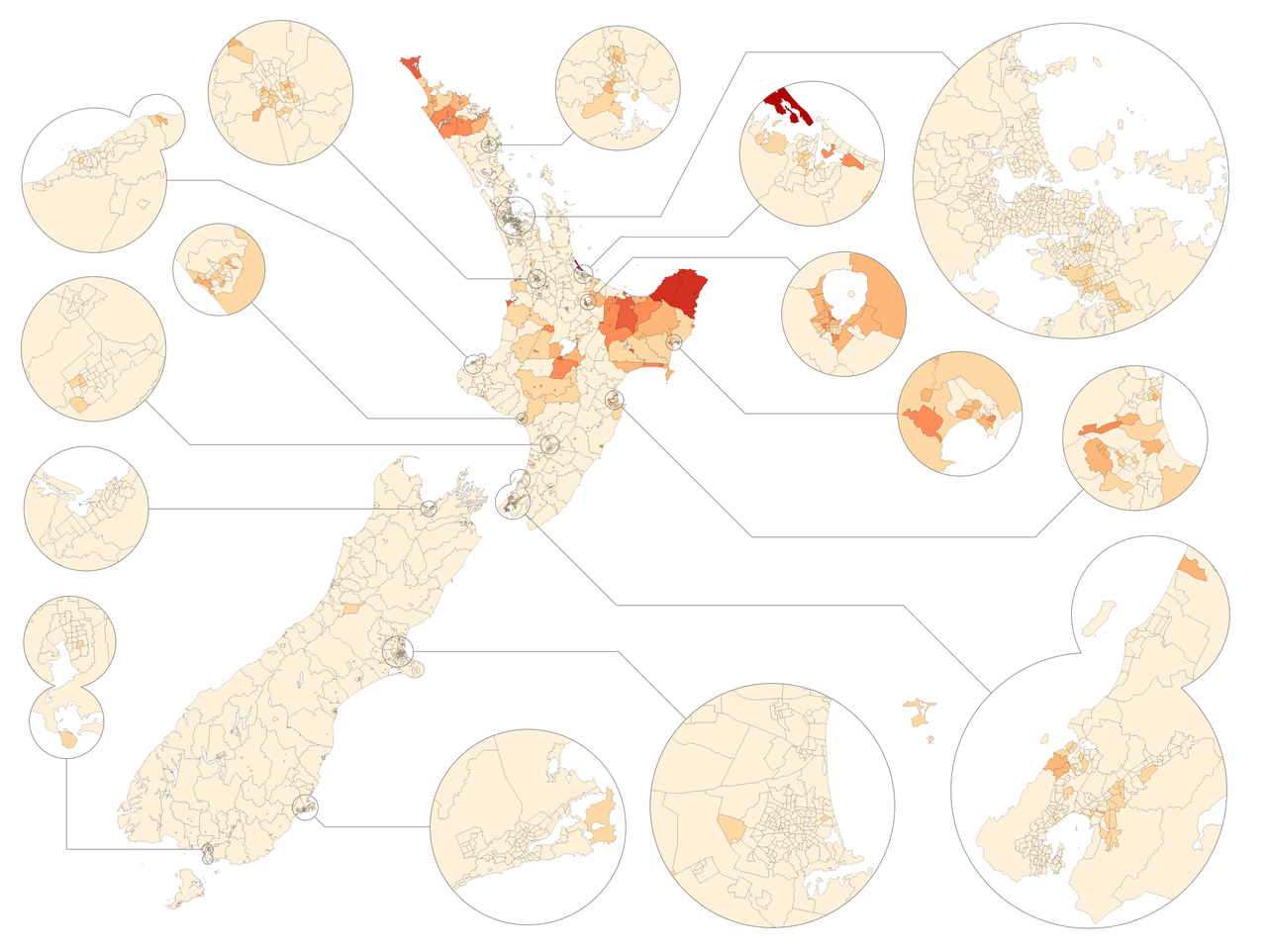
Te Reo Māori, commonly shortened to Te Reo, is the ancestral language of the Māori people and one of the official languages of New Zealand. It belongs to the Eastern Polynesian branch of the Austronesian language family and shares features with related languages such as Cook Islands Māori and Hawaiian. Although recognition and visibility have grown, fluency among the general population remains limited; for example, census reports have recorded a minority of residents able to carry on everyday conversations in Māori.
Image gallery
7 Images



Characteristics
Phonetically and typologically, Māori has a relatively small sound inventory and a simple syllable structure, typically consonant-vowel (CV). Long vowels are phonemic and commonly shown in writing with a macron. The language uses particles and prepositions to mark grammatical relationships rather than extensive inflection, and reduplication is a productive strategy to express plurality, intensity or repetition. Word order in neutral clauses tends toward VSO (verb–subject–object), though variation occurs for emphasis and style.
History and development
Before European contact Māori was primarily an oral language with rich traditions of oral literature, genealogy and ritual speech. A practical written form was developed in the early 19th century when Māori leaders and European scholars collaborated to render the language in the Latin alphabet; subsequent missionary printing and translation work spread literacy in Māori. Colonial policies in the late 19th and early 20th centuries, including English-only schooling, contributed to a decline in intergenerational transmission, prompting later community-led and government-supported revitalization movements.
Revitalization and institutions
From the late 20th century onward, Māori language revival gained momentum through initiatives such as bilingual education programs, immersion preschools and schools, community language projects, and media broadcasting. A government-supported Māori language commission and a range of public policies promote use, standard orthography and teacher training. These measures have increased the language’s presence in official ceremonies, public signage and broadcasting, and helped create new generations of speakers both within New Zealand and among the Māori diaspora in places like Australia.
Uses, visibility and examples
Today Māori words and names are widely visible: many towns, rivers and geographic features carry Māori names (for example Whangārei, Rotorua and Timaru are commonly cited examples). Common everyday greetings such as kia ora are used across communities. Māori is used in official contexts, media, music, and increasingly in workplaces and universities. Language learning resources—courses, apps, and community classes—support both new learners and those reclaiming ancestral speech.
Notable distinctions and facts
- Māori orthography uses the Latin alphabet with a small set of consonants and five vowels, where vowel length is distinguished by a macron.
- The language has strong links to cultural knowledge, land, customs and identity; language revitalization is often tied to broader cultural renewal.
- Efforts to normalize Te Reo in public life involve bilingual signage, Māori naming of institutions and formal recognition in law—steps that have raised its profile nationally and internationally, including reference and support from linguistic and indigenous rights networks (see related work).
Further reading and resources, including language courses and community initiatives, can help learners connect with pronunciation, common phrases and cultural context. For practical phrases and beginner study, look for accredited teaching materials and community-led programs that emphasize both language and cultural practice.
Author
AlegsaOnline.com Māori language (Te Reo Māori): overview, history and contemporary use Leandro Alegsa
URL: https://en.alegsaonline.com/art/61499
Sources
- stats.govt.nz : Statistics New Zealand:Language spoken (total responses) for the 1996–2006 censuses (Table 16)
- newtown.school.nz : "Newtown School | Wellington"
- whs.school.nz : "Wellington High School"