
Coral Sea: geography, ecology, and conservation
Overview of the Coral Sea off northeastern Australia: boundaries, physical features, biodiversity, climate, the Coral Sea Islands Territory, human uses, history and conservation challenges.
The Coral Sea lies off the northeast coast of Australia and forms a transition between the continental margin and the South Pacific. Its western boundary approaches the state of Queensland, while to the east the sea extends toward island groups such as Vanuatu and New Caledonia. The Solomon Islands lie to the north and on its southern edge the Coral Sea connects with the Tasman Sea. The region is best known for the presence of the Great Barrier Reef along its continental shelf and for extensive offshore coral formations.
Image gallery
10 Images




Geography and oceanography
Geographically the Coral Sea is characterised by shallow continental shelves close to the Australian coast, broad reef complexes, scattered coral cays and deeper basins offshore. Sea temperatures are tropical and waters are generally warm year-round. The physical setting includes clear, oligotrophic waters that favour coral growth where local currents and upwelling provide sufficient nutrients.
Climate and weather
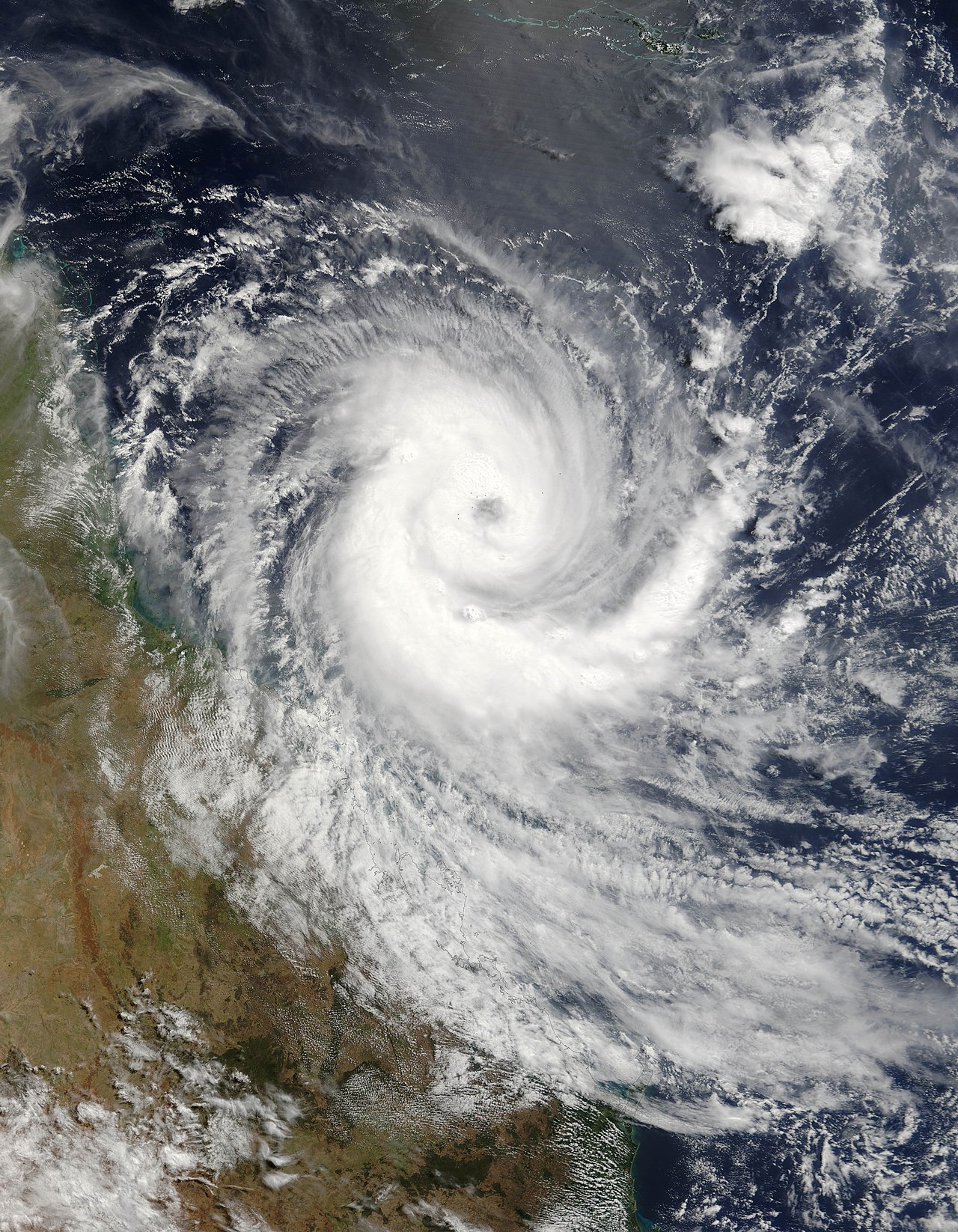
The climate of the Coral Sea is maritime tropical: warm sea surface temperatures, high humidity and seasonal rainfall are typical. The region is subject to episodic severe weather; intense tropical cyclones periodically pass through, reshaping reef structures and island shorelines and influencing sediment transport and nutrient inputs.
Ecology and marine life
Coral reef ecosystems in the Coral Sea support high biodiversity. Extensive coral reefs form complex three-dimensional habitats that sustain a wide range of fishes, invertebrates and marine megafauna. Notable animal groups include:
- reef sharks such as grey and white-tip reef sharks
- larger predators including hammerheads
- planktivorous and benthic rays like manta rays
- important pelagic fishes such as tuna and barracuda
- marine reptiles including several species of sea turtles
- migratory marine mammals such as whales
- and less common invertebrates like the chambered nautilus.
Conservation organisations, including the WWF, have described the Coral Sea as one of the larger remaining tropical marine wilderness areas because many parts remain relatively intact and contain extensive, functioning reef systems.
Human presence, history and uses
People use the Coral Sea for commercial and recreational fisheries, shipping, and tourism—most notably diving and reef tourism associated with the Great Barrier Reef. The sea also has historical significance: the Battle of the Coral Sea in 1942 was a major naval engagement in the Pacific theatre of World War II and remains an important event in regional history.
Coral Sea Islands Territory
Australia administers a maritime and island unit known as the Coral Sea Islands Territory. The territory comprises numerous small coral and sand islets, many of which are uninhabited; only a very small permanent population is associated with these outlying features. The territory covers a large maritime area and includes features important for seabirds, turtles and other wildlife.
Threats and conservation
Major threats to the Coral Sea’s ecosystems include ocean warming and associated coral bleaching, ocean acidification, severe storms, overfishing and local pollution. Management responses combine marine protected areas, fisheries regulation, monitoring and scientific research. The challenge for managers and stakeholders is to balance sustainable use with measures that protect reefs, migratory species and the broader marine environment so that ecological values persist for future generations.
Research, regional cooperation and adaptive conservation strategies are ongoing, and public awareness and tourism also play roles in supporting protection measures and funding scientific work in the Coral Sea region.
Questions and answers
Q: Where is the Coral Sea located?
A: The Coral Sea is located off the north east coast of Australia.
Q: What are the neighboring countries of the Coral Sea?
A: The Coral Sea has Queensland on its west side and the islands of Vanuatu and New Caledonia on its east. On the north edge is the Solomon Islands, and in the south it joins the Tasman Sea.
Q: What natural wonder is found in the Coral Sea?
A: The Great Barrier Reef is found in the Coral Sea.
Q: What kind of climate does the Coral Sea have?
A: The Coral Sea has a warm climate and often rains. Tropical cyclones are common in the area.
Q: What is the Coral Sea known for?
A: The Coral Sea is known for its beautiful coral reefs which are home to many different sea creatures including sharks, rays, tuna, barracuda, turtles, whales, and the rare nautilus.
Q: Who claims many of the islands in the Coral Sea as part of their territory?
A: Australia claims many of the islands in the Coral Sea as part of its 780,000 square kilometre Coral Sea Islands Territory.
Q: How many people live in the Coral Sea's islands?
A: Only one of the islands in the Coral Sea has people living on it, with a population of only four.
Related articles
Author
AlegsaOnline.com Coral Sea: geography, ecology, and conservation Leandro Alegsa
URL: https://en.alegsaonline.com/art/23015
Sources
- wwf.org.au : "Coral Sea"
- ag.gov.au : "Coral Sea Islands"
- anzacday.org.au : "The Battle for Australia - Battle of the Coral Sea"