
Cholesterol: function, structure, health implications, and management
An overview of cholesterol: its chemical nature, biological roles, transport and synthesis, clinical significance and common approaches to diagnosis and management.
Cholesterol is an organic substance essential to animals and present in cell membranes and body fluids. The term often refers to the cholesterol molecule that occurs in and around animal cells. It is absent from true plant tissues in the same form and is classed among lipids — molecules that are insoluble in water and soluble in organic solvents.
Image gallery
10 Images




Chemical character and structure
Cholesterol is a soft, waxy compound that belongs to the steroid family. As a steroid, it shares a core chemical structure made up of four carbon rings built from carbon atoms. This fused-ring framework gives cholesterol its rigid, planar shape and determines how it interacts with other fats, proteins and membrane components.
Biological roles and derivatives
Despite often being discussed in the context of disease, cholesterol has multiple vital functions in the body. It helps regulate membrane fluidity in cells, provides structural support to lipid bilayers, and participates in the formation of specialized membrane domains. Cholesterol is also the biochemical precursor of several important substances. Through enzymatic transformation it is converted into steroid hormones such as cortisol and sex hormones like estrogen and testosterone. Other derivatives include bile acids, which aid digestion, and the skin-synthesized vitamin D family.
Synthesis, sources and transport
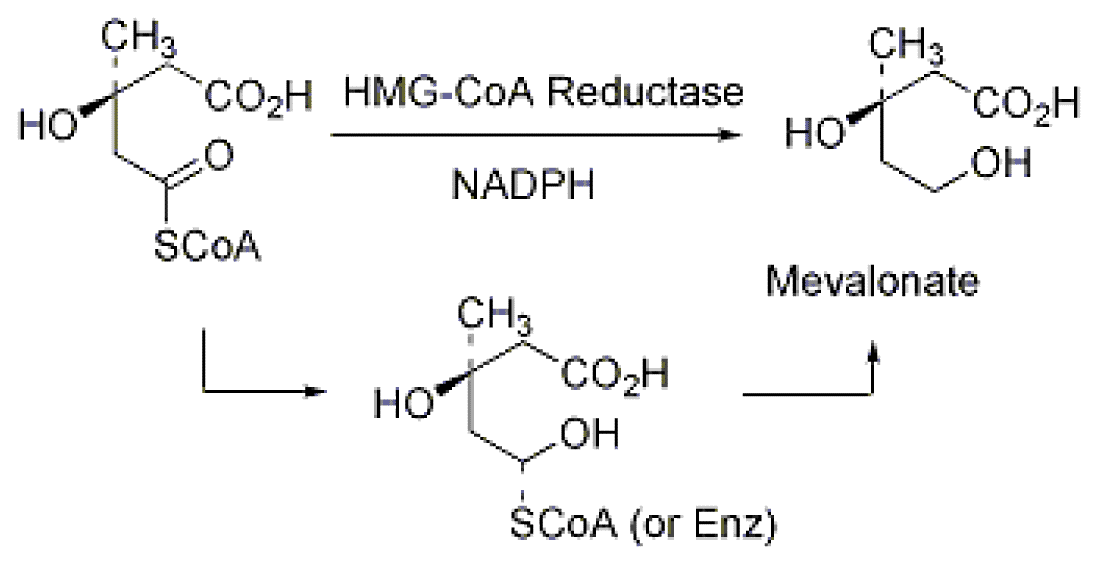
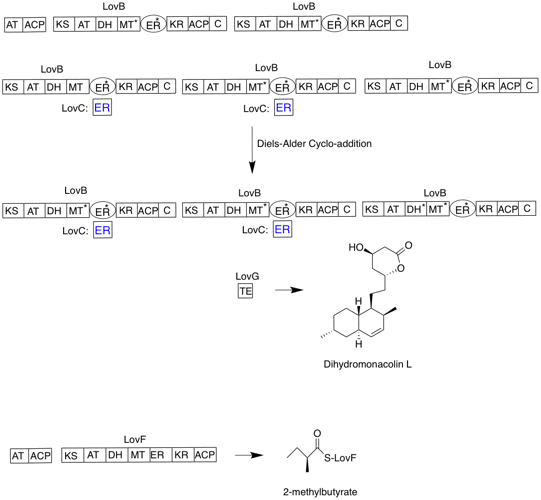
Animals synthesize cholesterol de novo, chiefly in the liver, using multi-step pathways that assemble small carbon units into the steroid backbone. This internal production complements cholesterol acquired from dietary lipids. Chemically it is classed as a lipid and often described as fat-like because of its solubility and physical properties. In the bloodstream cholesterol is not free but carried within protein-coated particles called lipoproteins, which differ in composition and biological effect.
Health significance and distinctions
Clinically, cholesterol is discussed in terms of risk when concentrations in the blood are elevated. The condition Hypercholesterolemia denotes higher-than-normal cholesterol levels and is associated with development of atherosclerotic plaques in artery walls. These plaques can reduce blood flow or rupture, contributing to heart attack and stroke. Risk results from a mix of genetic predisposition and environmental factors; diets high in certain animal fats, sedentary lifestyle, and other metabolic conditions can raise blood cholesterol fractions.
Assessment and management
Assessment of cholesterol-related risk is typically based on measurements of total cholesterol and the levels of different lipoprotein carriers. Clinicians focus on patterns in these fractions to guide management. Common approaches include lifestyle modification (dietary changes, increased physical activity, weight control) and, when indicated, pharmacological therapy. Many drugs act by reducing endogenous synthesis or altering lipoprotein metabolism, complementing efforts to modify dietary and behavioral drivers of elevated cholesterol.
Practical notes and further reading
Understanding cholesterol requires balancing its essential biological functions with its potential role in disease. While the body needs cholesterol to build cells and make hormones, maintaining healthy transport and balance of cholesterol fractions is important for cardiovascular health. For summaries of biochemical pathways, clinical guidelines and lifestyle recommendations, consult dedicated resources and primary care professionals for individualized advice. For a concise primer on how cholesterol is transformed in the body see pathways of chemical synthesis and for general reference on lipid chemistry consult summaries of the chemical structure and behavior of steroids.
Related articles
Author
AlegsaOnline.com Cholesterol: function, structure, health implications, and management Leandro Alegsa
URL: https://en.alegsaonline.com/art/19953