
Cortisol: the body’s primary glucocorticoid
Cortisol is a steroid glucocorticoid produced by the adrenal glands. It regulates metabolism, the stress response, inflammation and immune activity and is important in many medical conditions.
Cortisol, often called the stress hormone, is the principal glucocorticoid produced by the adrenal gland. It belongs to the class of steroid hormones and is synthesized from cholesterol. Cortisol circulates in the bloodstream and acts on many tissues through intracellular glucocorticoid receptors that influence gene transcription and cellular function.
Image gallery
2 Images
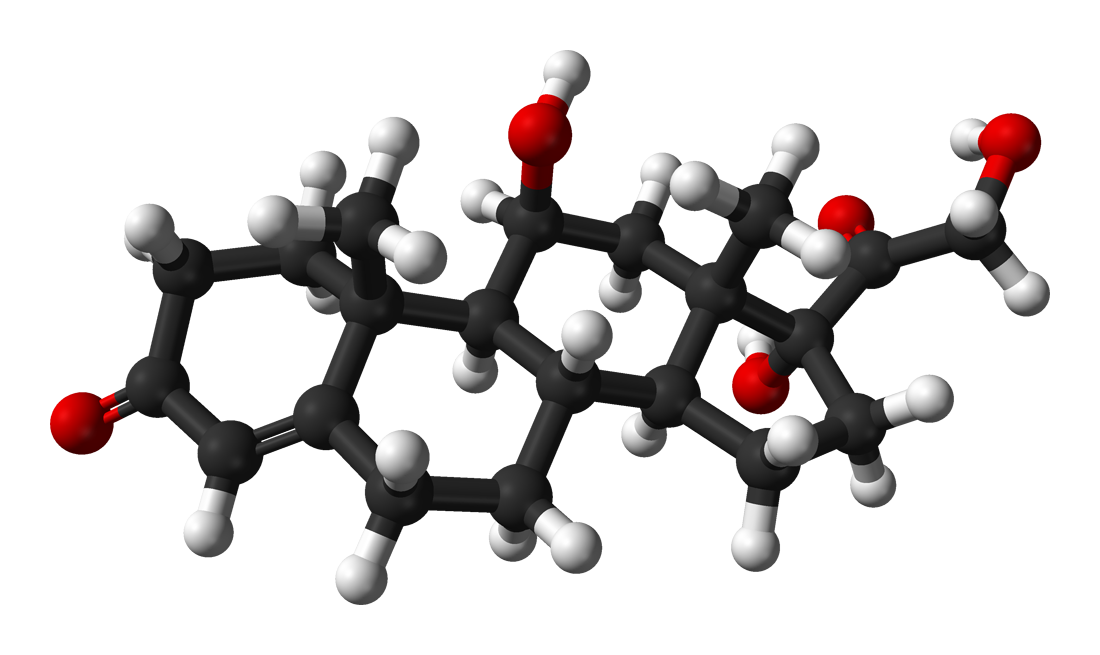
Biology and regulation
Cortisol is produced in the adrenal cortex (zona fasciculata) under control of the hypothalamic–pituitary–adrenal (HPA) axis. The hypothalamus releases corticotropin‑releasing hormone (CRH), the pituitary releases adrenocorticotropic hormone (ACTH), and ACTH stimulates cortisol synthesis. Cortisol levels follow a circadian rhythm, typically highest in the morning and lower at night, and they rise acutely in response to physical or psychological stress.
Physiological roles
Major actions of cortisol include increasing blood glucose by promoting gluconeogenesis, mobilizing amino acids and fat for energy, maintaining vascular tone and blood pressure, and dampening inflammatory and immune responses. These effects help the body cope with short‑term challenges but can be harmful if cortisol remains elevated for long periods.
Clinically, synthetic glucocorticoids (for example, hydrocortisone and related drugs) mimic cortisol’s effects and are widely used to treat inflammatory, autoimmune and allergic conditions. Measurement of cortisol in blood, urine or saliva helps diagnose disorders of excess (Cushing syndrome) or deficiency (Addison disease). Specialized tests, such as suppression and stimulation protocols, are used to evaluate HPA axis function.
Short‑term increases in cortisol support survival during stress; chronic overexposure is associated with weight gain, high blood pressure, insulin resistance, impaired memory and suppressed immunity. Lifestyle factors, sleep patterns and certain medications all influence cortisol production and should be considered when interpreting test results.
Key points and distinctions
- Cortisol is a steroid (glucocorticoid) with metabolic, vascular and immunoregulatory roles.
- It is regulated by the HPA axis and shows a daily rhythm plus stress‑related spikes.
- Both deficiency and excess of cortisol produce characteristic clinical syndromes.
- Synthetic cortisol analogues are powerful medicines but carry risks when used long term.
Related articles
Author
AlegsaOnline.com Cortisol: the body’s primary glucocorticoid Leandro Alegsa
URL: https://en.alegsaonline.com/art/23265