
Hypercholesterolemia: causes, risks, diagnosis, and management
Hypercholesterolemia is an elevated level of cholesterol in the blood that raises risk for atherosclerosis and cardiovascular disease; causes include genetics and lifestyle and it is diagnosed by lipid testing.
Hypercholesterolemia refers to an abnormally high concentration of cholesterol in the blood. Cholesterol is a lipid required for cell membranes and hormone production, but excess circulating cholesterol—particularly certain types—contributes to plaque formation in arteries. The condition is a major modifiable risk factor for coronary artery disease, stroke, and peripheral arterial disease.
Image gallery
5 Images


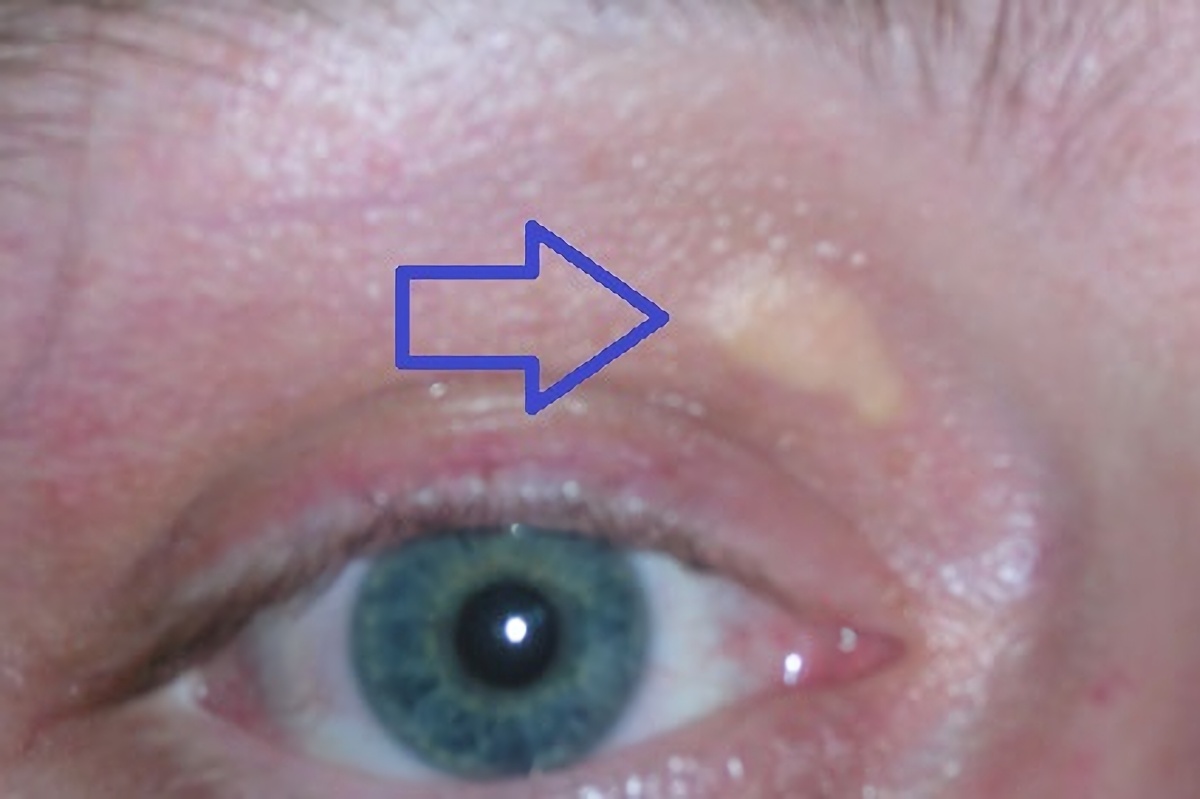
Causes and types
Causes range from inherited to acquired. Familial forms result from genetic changes that impair cholesterol clearance and often lead to markedly elevated levels from a young age. More common acquired forms arise from diet, obesity, physical inactivity, excessive alcohol use, certain medications, and other medical disorders. Clinically, attention centers on particle types: elevations of low-density lipoprotein (LDL) cholesterol are most strongly linked to atherosclerosis, while high-density lipoprotein (HDL) is considered protective.
Pathophysiology and complications
When excess LDL particles enter the arterial wall they can become modified and trigger inflammation. Over time this process forms atherosclerotic plaques that narrow or block vessels. Consequences include angina, myocardial infarction, ischemic stroke, and reduced blood flow to limbs. Risk increases with persistent elevation and coexistence of other factors such as hypertension, diabetes, and smoking.
Diagnosis and screening
Diagnosis is established by a lipid panel measuring total cholesterol, LDL, HDL, and triglycerides. Screening recommendations vary by age, sex, and risk profile; clinicians consider family history and other cardiovascular risk factors when deciding when to test and when to start treatment.
Treatment and prevention
Management aims to reduce atherosclerotic risk by lowering harmful cholesterol and addressing lifestyle factors. Interventions include:
- Dietary changes: reduce saturated and trans fats, increase fiber and plant-based foods.
- Regular physical activity and weight management.
- Medications when indicated: statins are the most widely used agents, with other options such as cholesterol absorption inhibitors, bile acid sequestrants, and newer targeted therapies for patients with genetic forms or high residual risk.
- Management of coexisting conditions (blood pressure, diabetes) and smoking cessation.
Early detection and sustained treatment lower the chance of cardiovascular events. People with a strong family history or noticeably high levels should have assessment and follow-up under medical guidance. For further general information, see resources on cholesterol and cardiovascular health via cholesterol basics and blood testing guidance at blood lipid screening.
Related articles
Author
AlegsaOnline.com Hypercholesterolemia: causes, risks, diagnosis, and management Leandro Alegsa
URL: https://en.alegsaonline.com/art/46156