
Cell (biology): structure, function, and main types
A concise encyclopedia overview of the biological cell: definition, key parts and organelles, major types (prokaryotic vs eukaryotic), reproduction, evolution, and why cells matter.
Overview
In basic biology, the cell is the fundamental unit of life. It forms the structural and functional basis of all organisms, from single-celled microbes to complex multicellular plants and animals. Modern cell theory states that every cell arises from the division of a preexisting cell, and that cells contain hereditary information that guides their activities.
Image gallery
10 Images
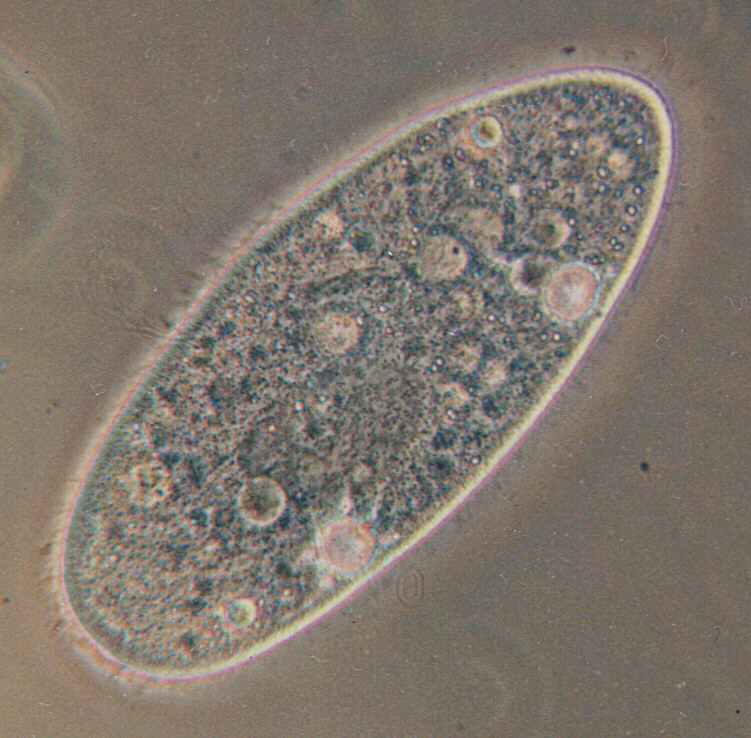


Boundary and internal environment
Each cell separates its interior from the outside world using a selectively permeable barrier, commonly called the cell membrane. The space outside the membrane is the external environment, while the internal fluid and structures are collectively termed the cytoplasm. This boundary controls transport of ions, nutrients and signaling molecules and helps maintain an internal chemical balance.
Organelles and specialized parts
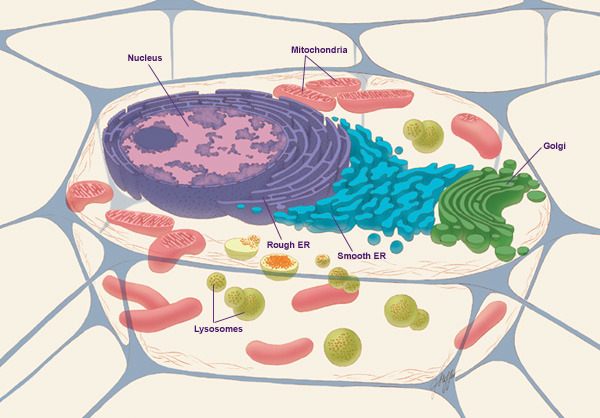
Many cells contain membrane-bound compartments and structures known as organelles, which perform distinct roles much like organs in a body. Examples include the nucleus, which houses the cell's genetic material, and other compartments that support synthesis, storage and recycling. The nucleus contains DNA (DNA) organized into chromosomes and directs gene expression and replication.
- Mitochondria: energy conversion centers (mitochondria).
- Chloroplasts: photosynthetic organelles in plants and algae.
- Endomembrane compartments: synthesis and trafficking pathways.
Types and evolutionary context
Cells are broadly classified as prokaryotic (without a nucleus) or eukaryotic (with a nucleus and organelles). Eukaryotic complexity likely increased through processes such as endosymbiosis, where early cells incorporated others that became organelles. Organelles like mitochondria convert chemical energy (the cell's usable energy forms are derived from chemical energy) to power cellular work.
Division, growth and life cycles
Cells reproduce by various division mechanisms: mitosis and cytokinesis produce genetically similar daughter cells in multicellular organisms, while meiosis generates gametes with shuffled genetic content for sexual reproduction. The universal principle that cells come from other cells underlies development, tissue repair and the propagation of life.
Importance and notable facts
Understanding cells explains physiology, disease, heredity and biotechnology. Tools ranging from light microscopy to molecular methods illuminate cell function and structure. For readers seeking introductory resources and further explanations, consider basic textbooks and reputable summaries available via educational links such as introductory guides or curated reviews at general science portals (environmental context and biological background). For concise primers on particular components see entries on the organelles, nucleus, mitochondria and the molecular basis of heredity (DNA).
Questions and answers
Q: What is the basic structure of organisms in biology?
A: The cell is the basic structure of organisms in biology.
Q: How are cells made?
A: Cells are made by the division of other cells.
Q: What separates the environment outside the cell from the cytoplasm inside it?
A: The cell membrane separates the environment outside the cell from the cytoplasm inside it.
Q: What are organelles?
A: Organelles are parts of a cell that stay separate from other parts and do different things within a cell.
Q: What does DNA reside in?
A: DNA resides in the nucleus, which is an organelle.
Q: Where does chemical energy get converted?
A: Chemical energy gets converted in mitochondria, which is an organelle.
Related articles
Author
AlegsaOnline.com Cell (biology): structure, function, and main types Leandro Alegsa
URL: https://en.alegsaonline.com/art/17896
Sources
- commons.wikimedia.org : Cell biology