
Chromate (CrO4^2−): properties, reactions, uses and safety
Chromate (CrO4^2−) is a chromium(VI) oxyanion used in pigments, corrosion inhibitors and oxidation chemistry; it is strongly oxidizing in acid and poses significant health and environmental hazards.
Overview
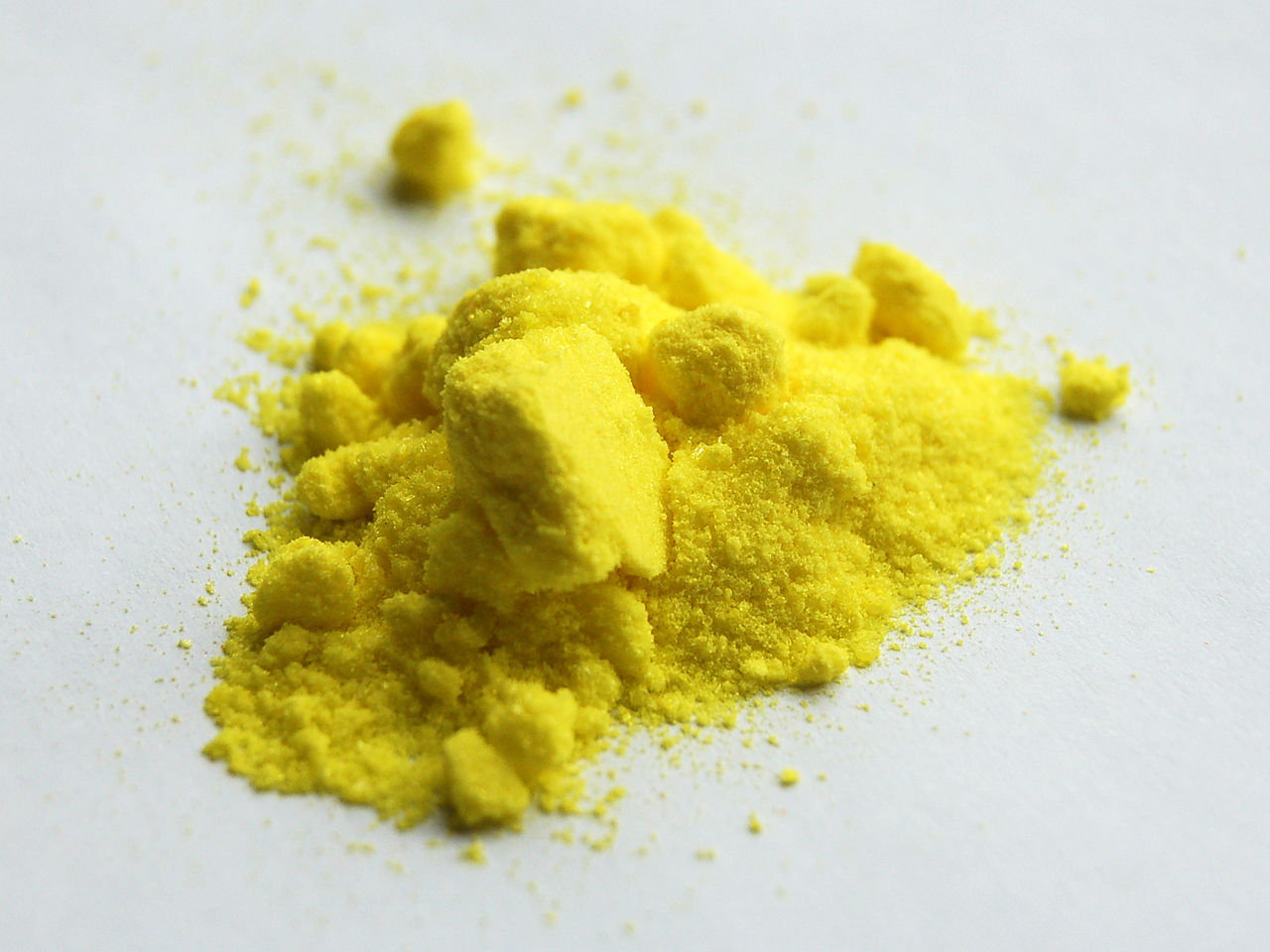
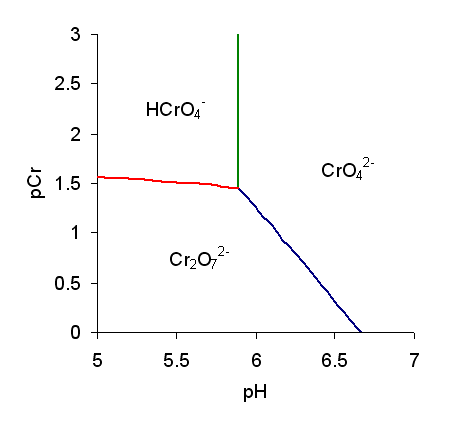
The term chromate refers to the oxyanion with the empirical formula CrO4^2−, in which a single chromium atom in the +6 oxidation state is coordinated to four oxygen atoms often described as oxide ligands. Chromate is closely related to the dichromate family (Cr2O7^2−); the two forms are in equilibrium with one another depending on pH and concentration. In many solutions chromates appear bright yellow, whereas dichromates are typically orange to red.
Image gallery
9 Images






Chemical characteristics and reactions
Chromate species are powerful electron acceptors under acidic conditions, behaving as strong oxidizing agents, while in alkaline media their oxidizing ability is diminished and they are more stable, consistent with behavior in basic conditions. Acidification can convert chromate to dichromate: two CrO4^2− plus two protons ⇌ Cr2O7^2− plus water. Chromates participate in redox reactions with a wide range of reducing agents, including sulfites and metal ions, and atmospheric oxygen can promote formation of Cr(VI) species from lower-valent chromium under appropriate conditions.
Preparation and common compounds
Chromate salts are typically obtained by oxidizing chromium(III) precursors in alkaline media or by reacting chromium(III) oxide with strong bases or metal oxides; for example, heating chromium(III) oxide with alkali yields chromate anions in solution. Familiar laboratory and industrial chromates include sodium chromate, potassium chromate and lead chromate, which have been used as pigments and corrosion inhibitors. Basic routes to destroy chromates involve conversion to trivalent chromium by treatment with appropriate reducing substances; for instance, treatment with iron(II) sulfate reduces Cr(VI) to the less mobile Cr(III) form.
Uses and examples
Historically, chromates have been valued for strong color (bright yellows and oranges) and chemical reactivity. Applications include pigments (e.g., chrome yellow), corrosion protection in metal finishing, wood preservation, and as oxidants in organic synthesis. Chromate-containing passivation layers can improve resistance to corrosion on aluminum and steel. Because of toxicity concerns these uses have been reduced or replaced in many countries by safer alternatives.
Health, environmental impact and handling
Chromates and related Cr(VI) compounds are known to be hazardous: inhalation of chromate-containing dust or mist is associated with respiratory irritation and is classified as carcinogenic. Long-term or high-level exposure has been linked to increased risk of cancer and other health problems. Safe management emphasizes minimizing dust, controlling emissions, using personal protective equipment, and converting Cr(VI) to Cr(III) by treatment with suitable reducing agents such as iron(II) salts. Regulatory frameworks and workplace guidelines govern allowable concentrations and disposal methods.
Notable distinctions and practical points
Key distinctions include the relationship between chromate and dichromate forms (pH-dependent), the difference between Cr(VI) and Cr(III) in mobility and toxicity, and the visible color changes that accompany speciation. Simple laboratory tests exploit redox reactions to detect and neutralize chromates. For further technical reference on structure, analytical methods and regulations consult primary chemical safety resources and standards bodies via general chemical information portals such as chromium resources and occupational safety guides at industrial safety or hazard control pages. Additional background and guidelines can be found through specialized links: basic chemistry, preparation routes, environmental fate, health data, and remediation methods.
- Common chromate salts: sodium chromate, potassium chromate, lead chromate.
- Typical neutralization: reduction to Cr(III) using FeSO4 or sulfite reagents.
- Appearance: yellow (chromate) versus orange/red (dichromate).
Because of their combination of useful chemical properties and significant health risks, chromates remain important subjects in industrial chemistry, environmental remediation and regulatory policy.
Use and safety instructions
Chromates are sometimes used as corrosion inhibitors (pigments, see also rust converter).
Many chromates have an intense coloration, which is why they are (or were) used as a color-imparting component in paints, for example "chrome yellow" (PbCrO4).
Chromates find application in analytical chemistry, where they are used as precipitation reagents.
In organic chemistry, chromates are used, for example, for the oxidation of alcohols. The Jones reagent consisting of chromium(VI) oxide, concentrated sulfuric acid and acetone (Jones oxidation) for the production of carboxylic acids and the Collins reagent, which can be used to stop the oxidation of the alcohol at the aldehyde stage, are well known.
All chromates and other chromium(VI) compounds (with the exception of the water-insoluble barium chromate) are highly toxic, hazardous to water and carcinogenic; examples include ammonium dichromate, potassium dichromate, sodium chromate, lithium chromate, zinc chromate, strontium chromate and chromium(III) chromate.
See also
- Chromate allergy
Related articles
Author
AlegsaOnline.com Chromate (CrO4^2−): properties, reactions, uses and safety Leandro Alegsa
URL: https://en.alegsaonline.com/art/20195