
Choline: roles, dietary sources, health effects, and safety
Choline is an essential nutrient involved in neurotransmission, membrane structure, methyl-group metabolism, liver function and fetal development. This article summarizes functions, sources, supplements and safety.
Overview
Choline is an organic compound often discussed as a vitamin-like nutrient and a key component of cellular metabolism. In chemical terms it can be described by its classification as a quaternary ammonium compound. It is most widely recognized as the precursor to the neurotransmitter acetylcholine, which is central to learning, attention and autonomic nervous system function; discussions of acetylcholine synthesis and release sometimes refer to related reviews and resources (synthesis overview).
Image gallery
1 Image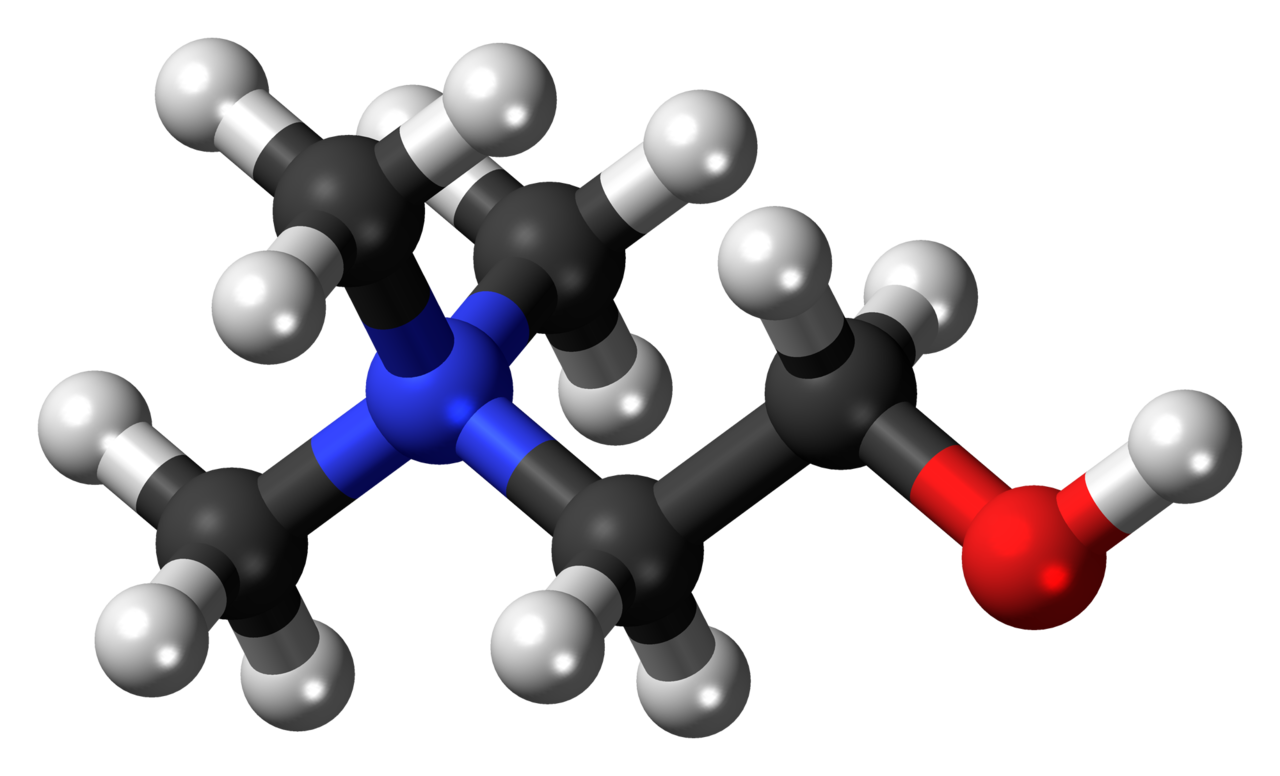
Biological functions and chemistry
Choline contributes to several biochemical systems. It is incorporated into major phospholipids such as phosphatidylcholine and sphingomyelin that maintain cell membrane integrity and fluidity. Oxidation of choline forms betaine, an important methyl donor in one-carbon metabolism that supports DNA and amino acid methylation. Its role in the nervous system is primarily through formation of acetylcholine, affecting memory and motor control; cognitive research often highlights links between choline availability and memory processes. Muscle function and voluntary movement rely on acetylcholine-mediated neuromuscular transmission (muscle control).
Dietary sources and requirements
Humans synthesize a limited amount of choline in the liver, but for many people dietary intake is required to meet needs. Rich food sources include eggs, liver, red meat, fish, dairy products, and some legumes and cruciferous vegetables. Public health bodies, including authorities in the United States, now classify choline as an essential nutrient and provide intake recommendations to reduce deficiency risk. Pregnant and lactating people are typically advised to consume higher amounts to support fetal and infant development.
Health effects and research
Adequate choline intake supports liver health by aiding in lipid transport and preventing fat accumulation; deficiency can lead to fatty liver and elevated liver enzymes in susceptible individuals. Maternal choline intake has been associated with reduced risk of neural tube defects and with possible improvements in offspring cognitive outcomes, though much of the evidence combines observational human studies and controlled animal research. Relationships between choline and cardiovascular outcomes are complex: while choline is necessary for normal physiology, gut microbial metabolism of dietary choline can produce trimethylamine N-oxide (TMAO), a compound that has been linked to cardiovascular risk in some studies (cardiovascular considerations).
Supplements, safety, and interactions
Choline is available in several supplemental forms, including choline bitartrate, phosphatidylcholine, citicoline (CDP-choline) and alpha-GPC; these differ in bioavailability and clinical uses. Supplements are used to address dietary shortfalls or for targeted cognitive support (supplementation). High intakes can cause adverse effects such as a fishy body odor, sweating, gastrointestinal upset or low blood pressure, and authorities have established tolerable upper intake levels above which risks increase. People taking medications that affect cholinergic signaling or with specific metabolic disorders should consult a clinician before starting choline supplements.
Practical guidance and common questions
- Nutrient grouping: choline is often grouped with B-complex vitamins because of shared roles in methyl-group metabolism, though it is chemically distinct.
- Physiological importance: it is required by the human body for membrane structure, neurotransmission and lipid transport.
- Cell membranes: phosphatidylcholine and sphingomyelin are major membrane components that depend on choline supply.
- Pregnancy: supplemental choline during pregnancy has been studied for potential long-term benefits to child memory and neural development.
- Weight claims: assertions that choline markedly reduces body fat are not well supported and remain inconclusive.
For most healthy adults, a varied diet that includes choline-rich foods will meet recommended intakes; supplements can be helpful when dietary intake is low or when higher needs exist, such as during pregnancy. Clinical guidance balances potential benefits against the risk of excess intake and interactions with other aspects of metabolism. For authoritative guidance and technical reviews consult national dietary guidelines and clinical nutrition texts (chemical and nutritional classification, neurotransmitter biology, metabolic pathways, neuromuscular topics, hepatic synthesis, regulatory statements, supplement information, vitamin grouping, physiology, membrane biology, cardiovascular research, claims about body composition).
Questions and answers
Q: What is choline?
A: Choline is an organic compound that is a precursor molecule for the neurotransmitter acetylcholine.
Q: What is acetylcholine responsible for?
A: Acetylcholine is involved in various functions, including memory and muscle control.
Q: Do all animals produce choline?
A: No, some animals cannot produce choline and must have it in their diet to stay healthy.
Q: How much choline do humans make?
A: Humans make a small amount of choline in the liver.
Q: Is choline an essential nutrient for humans?
A: Yes, choline is recommended as an essential nutrient for humans after research showed that they need to get it in their diet or through supplementation for proper health.
Q: What are the possible benefits of choline intake?
A: Possible benefits of choline intake include reducing the risk of neural tube defects and fatty liver disease, as well as having long-term beneficial effects on memory for the child if taken during pregnancy.
Q: How much choline should adults take daily?
A: Adults should take between 425 and 550 milligrams of choline daily.
Related articles
Author
AlegsaOnline.com Choline: roles, dietary sources, health effects, and safety Leandro Alegsa
URL: https://en.alegsaonline.com/art/19954
Sources
- lpi.oregonstate.edu : "Choline"
- ncbi.nlm.nih.gov : "Choline: an essential nutrient for public health"
- doi.org : 10.1111/j.1753-4887.2009.00246.x
- pubmed.ncbi.nlm.nih.gov : 19906248
- pdrhealth.com : Choline
- abc.net.au : Choline