
Bartholomew the Apostle: life, traditions, and cultural legacy
A concise encyclopedia article on Bartholomew the Apostle: his identity among the Twelve, traditional missionary role, iconography, patronages, presence in Islamic literature, and lasting cultural significance.
Overview
Bartholomew is named among the Twelve Apostles in the Christian New Testament and appears in early lists of Jesus' closest followers. He is often associated in later Christian tradition with the figure called Nathanael in the Gospel of John; however, exact identification varies in scholarly discussion. As an apostle of Jesus, Bartholomew belongs to the group typically referred to as the apostles, whose activities and remembered sayings form part of the foundation of early Christianity.
Image gallery
10 Images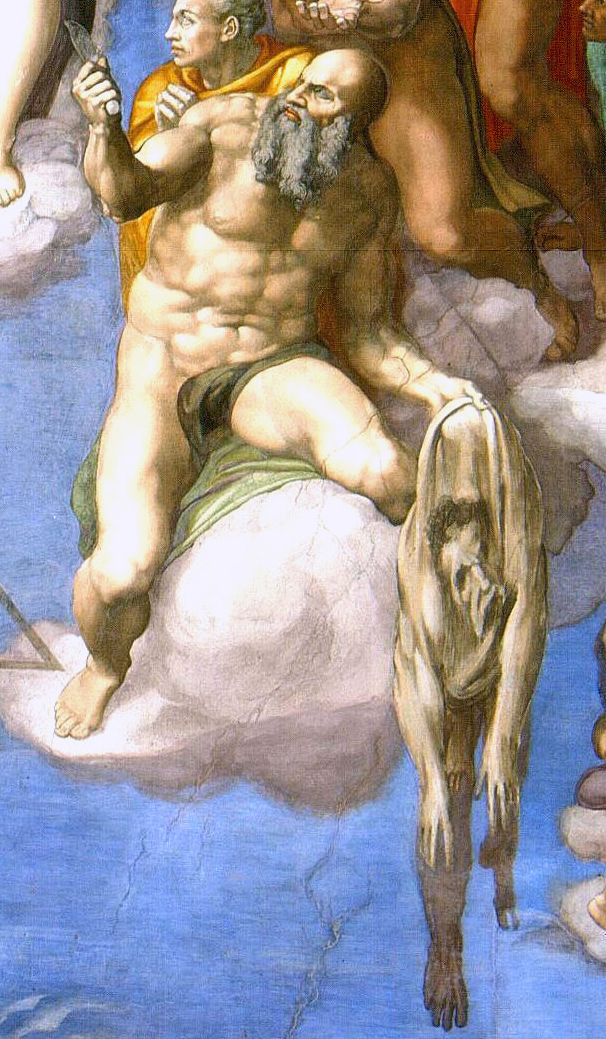



Sources and historical development
Primary references to Bartholomew in the canonical Gospels are brief: he appears in apostolic lists without a detailed biography. Over the centuries, church writers and local traditions expanded those brief mentions into fuller narratives about his missionary journeys and death. These later accounts are part of the devotional and hagiographical record rather than contemporary historical documentation, so historians treat many details as pious tradition rather than verified fact.
Missionary activity and patronages
Traditional accounts credit Bartholomew with missionary work beyond Palestine. In many Christian traditions he is remembered, often together with Saint Jude Thaddeus, as an early evangelist to the region now associated with Armenia. This connection has contributed to his veneration in places where those missions were celebrated. Over time Bartholomew acquired a range of patronages reflecting aspects of his remembered martyrdom and popular devotion: he is invoked as patron by bookbinders, butchers, those connected with Florentine cheese, salt merchants, and various trades that work with skins and hides such as leather workers and tanners.
Iconography and martyrdom
In art and devotion Bartholomew is commonly identified by the instruments that symbolize his suffering and witness. Tradition holds that he was martyred by flaying, and therefore artists often portray him holding a large knife and the skin of a human body as his attribute. These motifs appear repeatedly in paintings, sculptures and church decorations and are visual shorthand for his martyrdom: a figure with a knife and a flayed skin will be recognized by many Christians as Bartholomew. In Western liturgical calendars his memorial has long been observed on the feast day traditionally set aside for him in late summer.
References in Islamic literature
Bartholomew also appears in a small number of medieval Islamic writings. Some Muslim historians and compilations of stories record an account in which a long-lived Christian named Bartholomew encounters the companions of the Prophet Muhammad during travels in Iraq; these narratives are associated with scholars such as Suyuti and Ibn Arabi in later commentaries and are said to place the meeting in the period of the caliphate of Umar. Such accounts are part of a broader corpus of cross-religious stories that circulated in the Middle Ages and are treated cautiously by historians.
Legacy and distinguishing points
Bartholomew's legacy is visible in dedications of churches, place names, and in the patronage of craftsmen and trade groups tied to his traditional martyrdom. His association with both eastern Christian missions and western devotional art makes him a distinctive figure whose remembered life bridges liturgical commemoration, popular piety, and cultural symbolism. Because many biographical claims about him come from later tradition, modern scholars distinguish between the brief biblical attestations and the fuller but later legends that gave rise to his widespread cult.
Quick facts
- Role: one of the Twelve Apostles; sometimes identified with Nathanael.
- Traditional missions: associated with evangelizing regions such as Armenia.
- Patronages include: bookbinders, butchers, cheese-makers, salt merchants and workers with leather and hides.
- Common attributes in art: a large knife and a flayed skin, referencing his martyrdom.
Related articles
Author
AlegsaOnline.com Bartholomew the Apostle: life, traditions, and cultural legacy Leandro Alegsa
URL: https://en.alegsaonline.com/art/114890
Sources
- classicalislam.wordpress.com : classicalislam.wordpress.com/