
Vellum: traditional calfskin parchment and its uses
Vellum is a fine-quality form of parchment originally made from calfskin. This article explains its manufacture, historical use in manuscripts and documents, modern alternatives, and preservation challenges.
Overview
Vellum is a high-quality writing surface produced from animal skin, historically prized for its strength, smoothness and longevity. The word originally referred specifically to prepared calfskin but in English usage it has broadened to include fine parchment from other young animals. Like other forms of prepared hide, vellum was a principal medium for manuscripts, legal instruments and illuminated books before the widespread adoption of paper.
Image gallery
6 Images


Characteristics and preparation
Vellum differs from ordinary leather because it is intentionally processed to accept ink and pigments rather than to be made supple for garments. The basic steps of manufacture produce a thin, opaque sheet with a slightly parchment-like surface suitable for precise writing and illumination. Typical operations include soaking and cleaning, hair removal, stretching on a frame, scraping to an even thickness, and surface finishing to improve the tooth and absorbency.
- Cleaning and curing: the skin is washed, sometimes soaked and dehaired.
- Stretching: it is fixed to a frame to dry under controlled tension.
- Scraping: repeated scraping evens the thickness and removes residues.
- Surface finishing: rubbing with a stone such as pumice and treatment with chalk or lime readies the sheet to receive writing.
Historical use and development
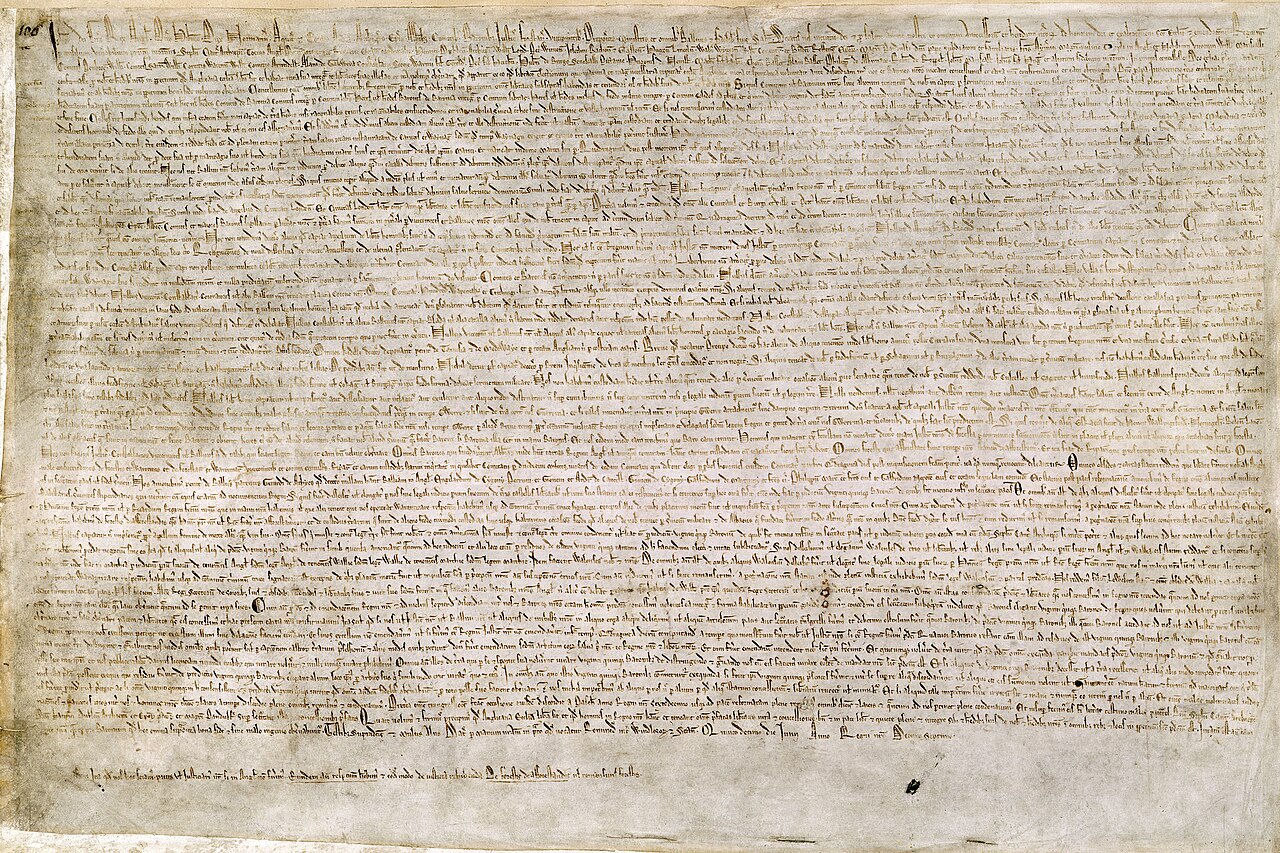
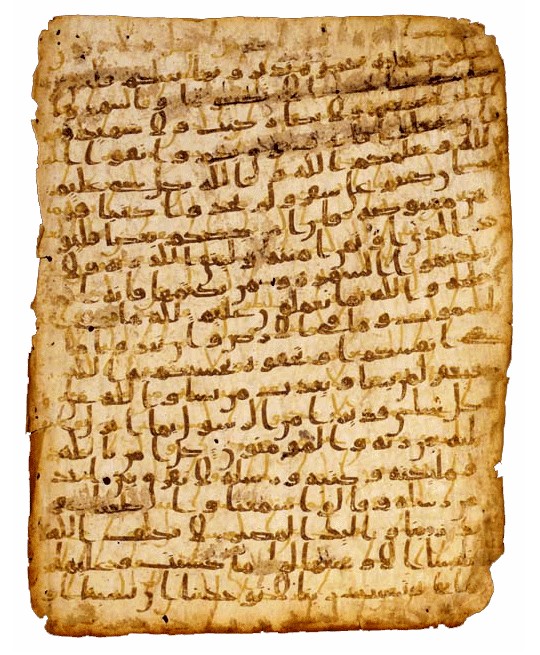
Originally vellum most commonly came from the hides of young calves and was therefore associated with the term calf and the general category of parchment. Manuscripts, liturgical books and many legal records surviving from the medieval period are written on vellum. It was made into single sheets, scrolls and codified volumes (for example, codices) and was favoured for works that needed durability and a high-quality surface for pigments and gilding.
Uses, importance and modern alternatives
Because of its stability when kept in appropriate conditions, vellum has been used for archival documents, diplomas and ceremonial editions. With the arrival of industrially produced paper and modern printing, animal-based vellum declined but continued to mark high-status objects. In contemporary practice there are also non-animal products described as "paper vellum" or vegetable vellum, made from cellulose or synthetic polymers for drafting, conservation and art.
Conservation and distinctions
Vellum is long-lived but hygroscopic: it responds to changes in humidity and can warp, cockle or become brittle if stored improperly. Specialist conservation addresses these problems by controlling environment, handling and repair methods. In technical discussions it remains useful to distinguish traditional animal-based vellum from other forms of skin-derived material and from modern substitutes; likewise processes such as bleaching or different finishing routines varied by time and region.
For further practical and technical information about manufacturing methods and historical examples, consult specialist conservation literature and catalogues of manuscript collections or technical guides to parchment making available from libraries and preservation agencies (see, for instance, resources on parchment care and historical techniques, and modern working descriptions of parchment).
Because many different crafts and terms overlap in this area, sources that describe the step-by-step production, the physical properties under tension, and the distinctions between calf-, goat- or sheep-derived sheets are especially useful for students, conservators and artists interested in traditional media.
Some technical glossaries and how-to guides also use the term vellum to refer to stiff, translucent drafting sheets employed in drawing and printmaking; these uses link back to the original concept of a durable, writable surface whether animal or synthetic.
Readers seeking practical instructions should consult illustrated manuals or specialist workshops rather than attempting experimental processing without guidance, as handling animal skins requires sanitary and legal considerations as well as technique.
Questions and answers
Q: What is vellum made of?
A: Vellum is made from animal skin, originally calf skin, that is cleaned, bleached, stretched, scraped and treated to accept ink.
Q: What is vellum used for?
A: Vellum is used as a writing surface, for single pages, scrolls, codices or books, and is often used for high-status documents.
Q: What was vellum used for before paper?
A: Vellum was one of the standard writing surfaces used in Europe before paper became available.
Q: How is vellum prepared to take writing in ink?
A: Vellum is scraped to create tension by turns wet and dry and then rubbed with pumice and treated with lime or chalk to create a final finish that can accept ink.
Q: What is "paper vellum"?
A: "Paper vellum" is a type of vellum made from synthetic materials instead of mammal skin, but is still used for the same purpose as normal vellum.
Q: What is the difference between parchment and vellum?
A: Originally, vellum meant calf skin while parchment referred to sheep or goat skin, but in English the term vellum is used more widely. They are both prepared to take writing in ink and were standard writing surfaces used in Europe before paper became available.
Q: Why was vellum used for high-status documents?
A: Vellum was used for high-status documents due to its durability, high quality and expensive production process.
Related articles
Author
AlegsaOnline.com Vellum: traditional calfskin parchment and its uses Leandro Alegsa
URL: https://en.alegsaonline.com/art/104499
Sources
- etymonline.com : "vellum - Origin and meaning of vellum by Online Etymology Dictionary"
- archives.gov : "Differences between Parchment, Vellum and Paper"
- books.google.com : Google books
- news.bbc.co.uk : "BBC News - UK Politics - Goat skin tradition wins the day"
- oireachtas.ie : "Frequently Asked Questions about the Houses of the Oireachtas - Tithe an Oireachtais"
- williamcowley.co.uk : "William Cowley Parchment Makers - Our Parchment & Vellum is used for: Calligraphy and Illumination, Bookbinding, Botanical Art, Heraldic Art, Memorial Books, Drum Making and Lampshades. Bespoke vellum covering service for furniture and wall & door panels. Document printing service for Certificates, Diplomas, Family Trees"