
Baruj Benacerraf
Venezuelan-born American immunologist awarded the 1979 Nobel Prize for discoveries about the major histocompatibility complex and genetic control of immune responses.
Overview
Baruj Benacerraf (1920–2011) was a Venezuelan-born American immunologist recognized for fundamental work on how genes influence immune recognition. In 1979 he shared the Nobel Prize in Physiology or Medicine with Jean Dausset and George Davis Snell for discoveries related to the major histocompatibility complex (MHC), a family of genes that encode cell-surface proteins crucial to distinguishing self from non-self.
Image gallery
2 Images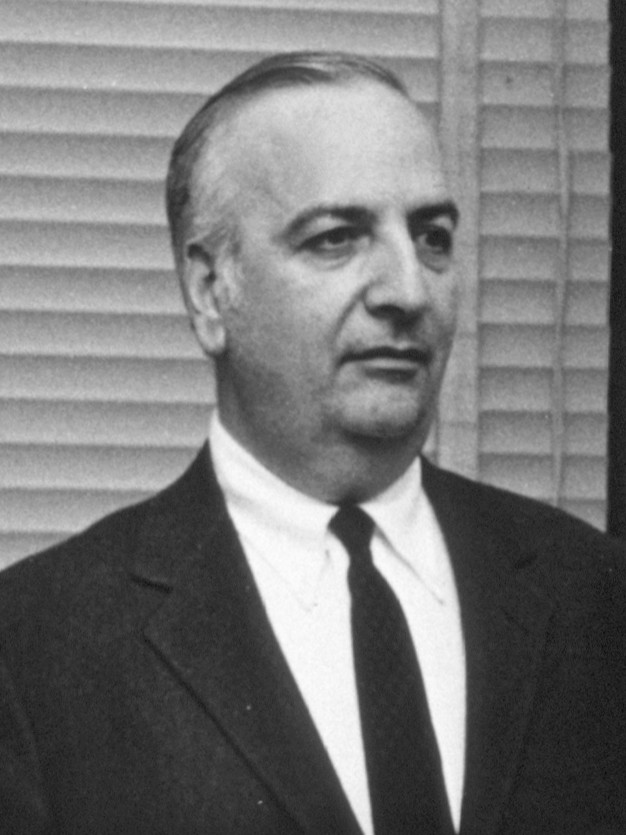

Key contributions
Benacerraf's research helped establish that the ability of immune cells to respond to antigens is under genetic control. The proteins encoded by the MHC present peptide fragments to T cells, enabling recognition of infected or altered cells. This genetic and molecular framework clarified why different individuals vary in immune responsiveness, susceptibility to infections, and predisposition to certain autoimmune conditions.
Scientific impact and applications
- Transplantation: MHC compatibility is a central concern in organ and tissue matching, reducing rejection risk.
- Autoimmunity: Associations between specific MHC variants and autoimmune disorders guided research into disease mechanisms.
- Vaccine and immunotherapy design: Understanding antigen presentation informs strategies to elicit effective T cell responses.
- Basic immunology: Benacerraf's work shaped how researchers study antigen recognition and lymphocyte activation.
Context and development
The discoveries honored by the Nobel Prize emerged from mid-20th-century studies that compared genetic differences in immune responses across individuals and animal strains. Benacerraf's findings complemented parallel work: Dausset characterized human leukocyte antigens and Snell mapped histocompatibility loci in mice. Together, these lines of research converted descriptive observations about tissue compatibility into a genetic and molecular model.
Legacy and notable facts
Benacerraf's contributions are part of the foundation of modern immunology. They continue to influence clinical practice in transplantation and diagnostics, as well as ongoing efforts to design targeted vaccines and immune therapies. He is often cited alongside other pioneers for advancing the idea that inherited genes shape the immune system's ability to recognize and respond to biological threats. Biographical and scientific summaries about his life and work can be found in specialized histories of immunology and Nobel archives linking Benacerraf to his Venezuelan origins (Venezuela) and to broader developments in the field.
Related articles
Author
AlegsaOnline.com Baruj Benacerraf Leandro Alegsa
URL: https://en.alegsaonline.com/art/114895
Sources
- nobelprize.org : "Baruj Benacerraf - Facts"
- nobelprize.org : "Baruj Benacerraf - Biographical"